

Finding yourself without leeks can be challenging when cooking your favorite dishes. Luckily, there are several fresh and cooked alternatives available that can mimic the mild onion flavor and unique texture of leeks. by exploring these substitutes, you can enhance your meals while ensuring that their essence remains intact, making your culinary adventures both enjoyable and prosperous.
Understanding the Role of Leeks in Cooking: Why They’re Special
Leeks are often considered a culinary gem, providing a unique flavor profile that is both milder and sweeter than their onion relatives. The delicate, yet distinctive taste of leeks can elevate a variety of dishes, making them a favorite among chefs and home cooks alike. Their versatility allows them to shine in dishes ranging from soups to sautés, creating layers of flavor that are sometimes underestimated.
One of the special characteristics of leeks is their dual-purpose nature; they can be enjoyed both fresh and cooked. When cooked, leeks become tender and sweeter, their flavor integrating beautifully into broths and sauces.They can also be used to create a crunchy topping when fried, offering an unexpected textural contrast in dishes. For instance, crispy fried leeks can be sprinkled over a creamy potato soup or a fresh salad, providing both crunch and a vibrant flavor. Here are a few popular cooking methods for leeks:
- boiling: Start by slicing leeks and simmering them in boiling water, which softens their texture while preserving their natural sweetness.
- Sautéing: cook leeks in oil or butter until they become tender and slightly caramelized, enhancing their flavor even further.
- Grilling: This method gives leeks a smoky flavor, perfect for adding to grilled vegetables or meat dishes.
Moreover, understanding how to substitute leeks in recipes can ensure that you maintain the integrity of a dish even in their absence. Common substitutes include green onions for a milder flavor or shallots for a touch of sweetness. Whether you’re using leeks or an alternative, the aim remains the same: to add depth and richness to your culinary creations.
Incorporating leeks into your meals not only boosts flavor but also adds a nutritional punch. Rich in vitamins and antioxidants, they are a beneficial addition to any diet. So next time you’re looking to enhance a dish, consider reaching for leeks or their alternatives—a simple choice that ensures your plate remains vibrant and full of life.
Fresh Alternatives to Leeks: Vegetables You Can Use Right Away
Leeks are beloved for their mild,slightly sweet flavor and unique texture,making them a staple in various dishes,from soups to salads. Though, when you find yourself without this versatile vegetable, there are plenty of fresh alternatives that can seamlessly take its place in your cooking repertoire. Understanding what to substitute for leeks can definitely help you whip up appetizing meals without missing a beat.
Top Fresh Vegetable Alternatives
Several vegetables can stand in for leeks, providing similar culinary characteristics. Here are some fresh alternatives to consider:
- Shallots: These small, bulbous vegetables offer a sweet, mild flavor that becomes pronounced when cooked, making them ideal for soups and sautés. Substitute 2-3 shallots for each stalk of leek to capture that savory depth in your dishes.
- Scallions (Green onions): With a sharp yet pleasant taste, scallions can add both flavor and crunch to salads and stir-fries. Their green tops can also enhance the visual appeal of your meals.
- Garlic: Though its flavor is bolder,garlic can work well as a stand-in for leeks in certain recipes. Use it sparingly to enhance the flavor profile without overpowering the dish.
- Fennel: For a unique twist, try using fennel. Its anise-flavored bulb can add a distinctive taste to your dishes while providing a similar texture. Thinly slice or dice it to replace leeks in various recipes.
- Celery: while celery may lack the sweetness of leeks, it can provide a crisp texture in salads and stocks. Cooking it down can definitely help enhance its flavor,making it a good base for soups.
Quick Comparison Table
| Vegetable | Flavor Profile | Best Usage |
|---|---|---|
| Shallots | Mild, sweet | Soups, sautéing |
| scallions | Sharp, fresh | Salads, stir-fries |
| Garlic | Bold, pungent | Sauces, roasted dishes |
| Fennel | anise-like, sweet | Roasting, salads |
| Celery | Crisp, slightly peppery | Stocks, soups |
Using Your Alternatives
when implementing these substitutes, consider the cooking method and the desired flavor outcome. For instance, if making a stew, shallots or fennel might be your best bet for adding sweetness, while scallions shine in fresh applications like salads. Taste as you go to achieve the perfect balance and enhance your dish’s overall flavor.
Whether you’ve run out of leeks or are simply looking to explore fresh vegetables, these alternatives can help you create flavorful dishes without compromising on quality. By incorporating these options into your cooking, you’ll never be left in a lurch when a recipe calls for leeks!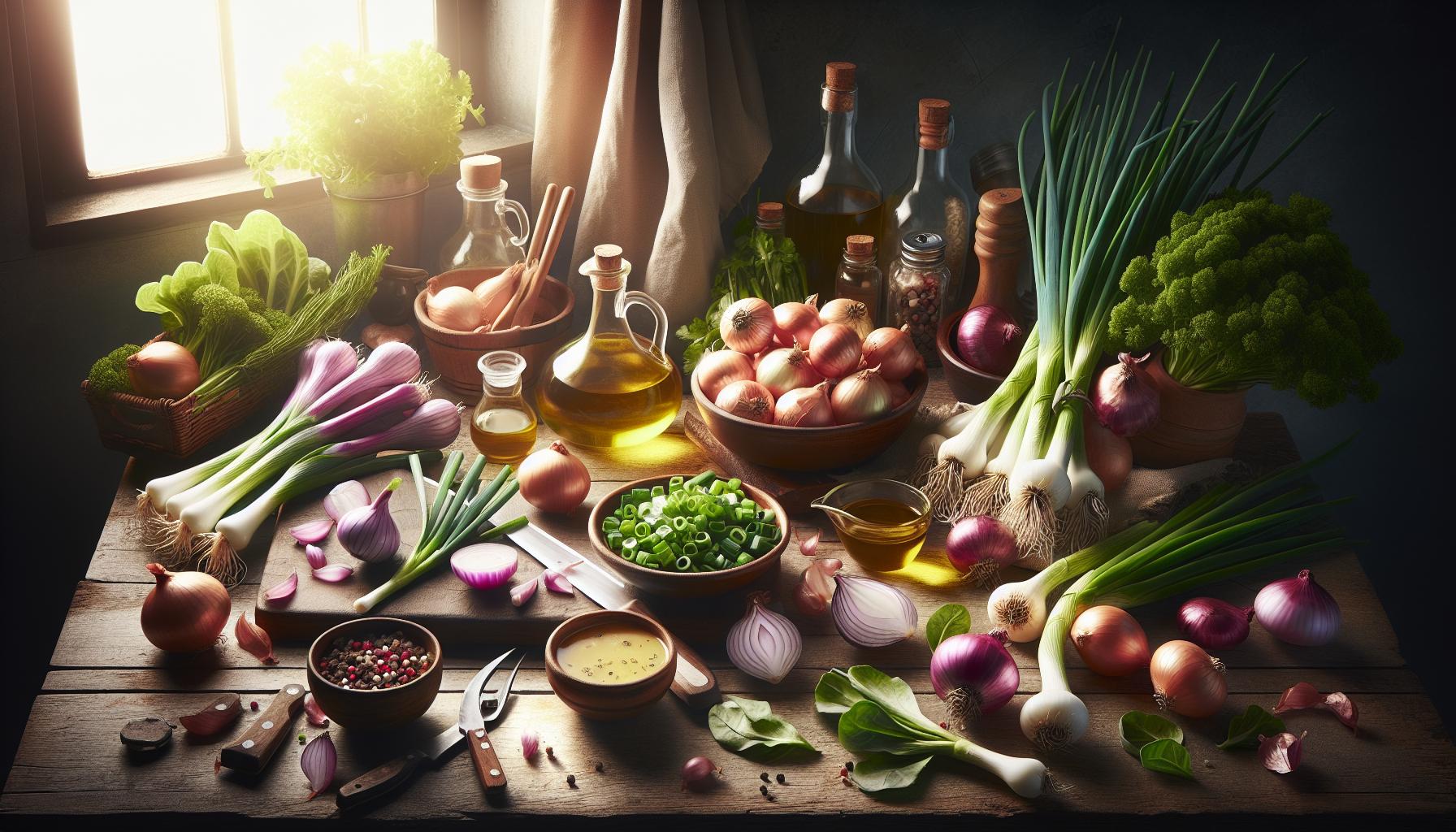
Exploring Alliums: When to Choose Spring onions and Shallots
Unlocking the Flavor: When to Choose Spring Onions and Shallots
When it comes to enhancing the taste of your dishes, the subtleties of alliums can elevate your cooking. Spring onions and shallots serve as versatile alternatives in various recipes, bridging the gap between the robust flavor of leeks and the milder notes found in other onions. both ingredients bring unique characteristics to the table, allowing for creativity and flexibility in meal readiness.
Understanding Spring Onions
Spring onions, also known as scallions, offer a fresh and mild flavor that works well in salads, salsas, and as a garnish. Their green tops are edible and add a lovely pop of color and a subtle onion flavor to any dish. They are an excellent choice when you want to add a hint of onion without overwhelming the palate. Use spring onions in recipes that call for a gentle touch, such as cold noodle salads, stir-fries, or as a topping for tacos.
Here’s a practical tip: If you’re cooking with spring onions, slice them thinly to release their flavor more effectively. This makes them a fantastic addition to dressings or dips, allowing their essence to permeate without overshadowing other ingredients.
the Appeal of shallots
Shallots, with their delicate sweetness and rich flavor, are a marvelous substitute for leeks in both cooked and raw applications. they possess a refined taste that complements dishes such as soups, sauces, and gratin. In recipes where you want a more complex flavor that still remains balanced, shallots are often the ideal choice.
A key advantage of shallots is their ability to caramelize beautifully, developing deeper flavors without losing their integrity. For a classic approach,try sautéing shallots in butter before adding other ingredients in a recipe that calls for leeks. This technique not only intensifies their natural sweetness but also enhances the overall dish’s depth.
| Ingredient | Best Use | Flavor Profile |
|---|---|---|
| Spring Onions | Salads, Salsas, Garnishes | Mild, Fresh |
| shallots | Soups, Sauces, meats | Sweet, Rich |
by thoughtfully selecting between spring onions and shallots, you can embody the essence of alliums in your dishes, allowing for creativity and nuance.These ingredients may not entirely replicate leeks, but they provide paths to explore flavors and textures that will enhance your culinary repertoire. embrace these allium alternatives to make your meals unforgettable while navigating what to substitute for leeks in a unique and delicious way.
The Impact of Cooked Substitutes: What works Best in Soups and Stews
The Versatility of Substitutes in Soups and Stews
When preparing soups and stews,the choice of ingredients can dramatically influence the flavor and overall character of the dish. Substituting leeks, for instance, opens a treasure trove of options that can impart unique flavors and textures. Common leeks alternatives include onions, shallots, garlic, and scallions, each offering a diffrent profile that can enhance your recipes. While leeks have a mild, sweet flavor, these substitutes can adapt well, especially when cooked, allowing them to deepen their flavors through the cooking process.
cooking methods play a crucial role in how these substitutes integrate into your dish. For example, sautéing onions until they become translucent and slightly caramelized can provide a delightful sweetness similar to the gentle flavor of cooked leeks. In contrast, using shallots can add a complex layer of taste, contributing a slightly stronger flavor than leeks without overwhelming the dish. This versatility allows home cooks to experiment with different combinations to find what accents their specific recipes best.
Practical Tips for Using Substitutes:
- Cooking Timing: Adjust the timing for adding the substitute based on its cooking characteristics. Onions may need to be cooked longer to achieve the desired sweetness.
- Combining Flavors: Blend different substitutes, like combining onions with a bit of garlic, to develop a deeper flavor profile.
- Taste as You Go: Regularly taste your dish during cooking to ensure that the substitute is balancing well with other ingredients.
Comparison of Key Substitutes
| Substitute | Flavor Profile | Best Use Case |
|---|---|---|
| Onions | sweet when caramelized | General soups and stews |
| Shallots | Milder, slightly garlicky | Elegant soups or gourmet recipes |
| garlic | Strong, aromatic | Rich stocks and flavor-intensive stews |
| Scallions | Fresh, onion-like | Garnishes and quick-cooking dishes |
incorporating leeks substitutes effectively in your cooking not only expands your culinary repertoire but also enhances the depth of flavors in your soups and stews. Experimenting with these alternatives tailored to the specific dish will ultimately lead to a more satisfying and personalized meal, making the question of “What to Substitute for Leeks?” an exciting challenge rather than a limitation.
Flavor profiles: Matching Substitutes to Your Favorite Dishes
understanding Leek Substitutes for Flavor Enhancement
Leeks provide a unique flavor that is mild yet flavorful, making them an essential ingredient in various dishes. However, if you find yourself without leeks, fear not! There are numerous substitutes that can mimic their taste and texture while enhancing your culinary creations. Choosing the right substitute can elevate your dish, whether it’s a comforting soup or a vibrant stir-fry.
- Shallots: Perfect for soups and stews, shallots offer a similar mild onion flavor, enhancing the overall dish without overpowering it. Their sweetness makes them an excellent choice for recipes where leeks are a supporting character.
- Green Onions or Scallions: While they are slightly stronger in flavor, scallions can be used in salads and stir-fries to replicate the freshness of leeks. They work particularly well in dishes where a bit more punch is welcome.
- Regular Onions: A straightforward choice, onions can be swapped in recipes like gratins or casseroles. Their versatility allows them to adapt well, although using a sweeter onion variety, like Vidalia, can better mimic the leeks’ delicate flavor.
Flavor Profile Matching in Popular Dishes
When determining the best substitute for leeks, consider the dish you are preparing. here’s a quick table to help match substitutes with your favorite meals:
| Dishes | Recommended Substitute | Notes |
|---|---|---|
| Soups & Stews | Shallots | Mild flavor enhances without overwhelming. |
| Stir-Fries | Green Onions | Offers a fresher,sharper taste. |
| Casseroles | Regular Onions | Best when cooked down for sweetness. |
| Salads | Chives or Green Onions | Adds a nice crunch and onion flavor. |
understanding these flavor profiles and how to best match your substitutes can lead to delightful results in your cooking. With the right alternatives in hand, you’re well-equipped to create dishes that shine, even in the absence of leeks.
Combining Ingredients: How to Create the Depth You’d Get from Leeks
When it comes to infusing depth into your dishes, leeks are a culinary gem, prized for their unique sweetness and subtle onion-like flavor.If you find yourself without leeks, fear not—there are numerous ways to achieve similar complexity through thoughtful ingredient combinations.
Understanding Flavor Profiles
To mimic the rich, savory nuances that leeks impart, consider using members of the Allium family, such as shallots or onions. For instance,shallots provide a delicate sweetness that can replace leeks while imparting that signature depth.Pro Tip: caramelize shallots gently in oil or butter to amplify their natural sweetness, which can closely resemble leeks’ profile.
- Shallots: Ideal for soups and sauces, offering both sweetness and depth.
- Green Onions (Scallions): Use the white parts for a sharper bite and the green tops for a mild finish.
- Garlic: Adding minced garlic can also elevate your dish, especially in hearty recipes.
Combining substitutes for Enhanced Flavor
It’s often in the *combination* of ingredients that the magic happens. If you’re preparing a dish that calls for leeks, consider mixing two or more substitutes to create a more complex profile. For example, you could blend chopped green onions with a dash of garlic and a sprinkle of fennel seeds. This trio not only provides an excellent flavor base, but also adds aromatic qualities reminiscent of leeks.
| Substitute | Best Used In | Flavor Notes |
|---|---|---|
| Shallots | Soups, sauces | Sweet, mild onion flavor |
| Green Onions | Salads, stir-fries | Sharp at the base, mild at the tip |
| Garlic | Dips, marinades | pungent, earthy flavor |
| Fennel | Risottos, pasta | Sweet anise notes |
Experimenting with Herbs and Spices
To further enhance the flavor when substituting leeks, don’t hesitate to experiment with herbs and spices. for instance, incorporating sautéed thyme or bay leaves can add an aromatic layer that complements your substitutes. When making a creamy sauce or soup, a touch of nutmeg alongside shallots can deepen the overall flavor profile and make your dish more complex.
By thoughtfully combining these alternatives and employing creative techniques, you can create dishes that not only replace leeks but also elevate your culinary endeavors. Whether you’re stirring together a comforting risotto or crafting a fragrant soup, these tactics will help you achieve the depth and complexity that leeks would typically offer.
Tips for Adjusting Recipes: Proportions and cooking Times for Substitutes
When attempting to find a suitable substitute for leeks in your cooking, understanding how proportions and cooking times change with each alternative becomes essential. The flavor and texture that leeks contribute to a dish can considerably differ between substitutes,which means that adjustments are vital for maintaining the integrity of your recipe.
Understanding Proportions
The quantity of substituting ingredients you use can greatly influence the final dish. For example, if you’re replacing leeks with green onions, a general rule of thumb is to use about *twice as much green onion* as leeks since their flavor is milder.Here’s a quick reference table for substituting leeks:
| Leek Substitute | Recommended Proportion |
|---|---|
| Green Onions | 2:1 |
| Shallots | 1:1 |
| Garlic | 1/2:1 (Garlic is potent) |
| Onion | 1:1 |
Experimentation is key; start with the lower end of the proportion when using stronger flavors, since you can always add more but can’t take away if it becomes overpowering.
Adjusting Cooking Times
Cooking times can also change depending on the substitute you select. While leeks usually require sautéing for a few minutes to soften, some alternatives might cook faster or require different handling. As an example, if you switch to garlic, it only takes about *30 seconds to 1 minute* to become fragrant and should be added later in the cooking process to prevent burning. Alternatively, shallots can be cooked for a similar duration but may produce a sweeter, milder flavor as they caramelize more quickly than leeks.
When making swaps,always keep your eyes on the cooking process,as each ingredient can react differently under heat. A visual check and tasting can guide you to the perfect texture and flavor profile you’re aiming for.By mastering these adjustments, you’ll effectively enhance your dishes while maintaining their delightful taste, nonetheless of what you’ve substituted for leeks. Embrace the journey of exploring “What to Substitute for Leeks? Fresh and Cooked Alternatives That Work” — it could lead to delicious discoveries in your kitchen!
A Quick Guide to using grocery Store Staples as Leek Substitutes
Leeks, with their mildly sweet, onion-like flavor, are a delightful ingredient in many dishes. However, they can sometimes be elusive in grocery stores or may not fit into your recipe’s budget. When faced with this challenge,knowing what to substitute for leeks can enhance your culinary creativity and optimize ingredient usage. Let’s explore some accessible grocery store staples that can fulfill the role of leeks in your cooking.
Prime Alternatives for Leeks
When considering substitutes, it’s essential to choose ingredients that share similar flavors and textures. Here are some effective alternatives:
- Green Onions (Scallions): These can be a great substitute due to their mild onion flavor and similar texture. Use them in soups, salads, or stir-fries where leeks are often included [[1](https://myriadrecipes.com/15-best-substitutes-for-leeks/)].
- Shallots: With their sweet, delicate taste, shallots are almost like a refined version of leeks.They work wonderfully in sauces, dressings, and gourmet dishes [[3](https://delishfusionfood.com/substitutes-for-leeks/)].
- Onions: Common yellow or white onions can also replace leeks, especially in recipes where they serve as a background flavor. Opt for milder varieties to maintain the subtlety that leeks contribute [[2](https://www.allrecipes.com/leek-substitutes-7568014)].
- Chives: For a more herbal flavor, chives can add a hint of onion without overpowering the dish. They work well as a garnish as well [[3](https://delishfusionfood.com/substitutes-for-leeks/)].
Using Substitutes Effectively
When substituting leeks,the method of preparation is just as vital as the ingredient choice. If the recipe calls for cooked leeks,consider sautéing your substitute in olive oil or butter until soft to mimic the sweet flavor of cooked leeks. For fresh applications, such as salads or garnishes, finely chop the alternative and sprinkle it on top.
A simple approach is to use one of the alternatives in a 1:1 ratio. Though, adjust according to taste and texture preferences. As an example, if you find green onions too potent for a delicate dish, consider using a smaller quantity. By keeping these tips in mind, you can seamlessly integrate grocery store staples into your cooking without missing out on the delightful essence that leeks bring to a recipe.
Experimenting in Your Kitchen: Discovering New Flavors with Alternatives
Enhancing Your Cooking Experience with Flavorful Substitutes
Have you ever found yourself in the middle of a recipe, only to discover you’re out of leeks? Instead of compromising on flavor, this is the perfect opportunity to get creative in the kitchen. Identifying suitable substitutes not only keeps your dish on track but also opens up a world of culinary exploration. Discovering alternatives can lead to exciting new flavor profiles that elevate your meals beyond your expectations.
When searching for what to substitute for leeks, consider options that can mimic their mild yet distinct oniony flavor and tender texture. Here are some effective alternatives you can use, whether you’re preparing fresh dishes or cooked meals:
- Green Onions (Scallions): An easy replacement, green onions offer a similar mild taste and work well in salads and soups. Use the white parts for cooking and the green tops as a fresh garnish.
- Shallots: With a more delicate sweetness, shallots provide a wonderful flavor that can enhance sauces and sautés without overwhelming your dish.
- garlic: For a bolder flavor, minced garlic can replace leeks. Although it won’t mimic the texture, it will offer depth, especially in cooked dishes.
- onions: Regular onions can be used, but keep in mind their stronger flavor.Consider using less and balancing with a bit of sugar to mimic leeks’ sweetness.
Substitutes in Practice: A Flavor Comparison
To make it easier to choose the right substitute, consider this comparison table showing these alternatives and their best use cases:
| Substitute | flavor Profile | Best Use Cases |
|---|---|---|
| Green Onions | Mild | Salads, soups, and garnishes |
| Shallots | Sweet and mild | Sauces, dressings, and sautés |
| Garlic | Strong and pungent | Stir-fries, roasted dishes, and sauces |
| Onions | Sharp and sweet | Soups, stews, and casseroles |
Experimenting with these substitutes allows for endless possibilities in your cooking. As an example, if you generally make a potato leek soup, try replacing leeks with shallots for a sweet twist that doesn’t shy away from elegance. By creatively using what’s available in your kitchen, you not only save time and prevent waste but also become more attuned to how different flavors can complement one another. Embrace the spirit of culinary experimentation and see where your substitutions take you!
Faq
### What are the best fresh substitutes for leeks in recipes?
When you find yourself without leeks for a recipe, there are several fresh vegetables that make ideal substitutes. Onions are the most common replacement, particularly sweet onions, as they share a similar flavor profile. For a milder option, consider using shallots, which possess a delicate sweetness and tenderness that complements many dishes.
Another great alternative is green onions or scallions. While they have a slightly different texture and a sharper taste, they can add a fresh crunch to your dish.To use them as a substitute for leeks, simply chop about three or four green onions, including the white and green parts, to achieve a similar flavor intensity [[1]].
### Can I use cooked substitutes for leeks in dishes?
Yes,cooked substitutes can work well in recipes where leeks are typically sautéed or otherwise cooked. As an example, diced onions and shallots can caramelize beautifully and provide a similar sweetness and depth when cooked. Cooked celery can also be a viable substitute if you need that structural element in a dish, offering a crunchy texture.
To replace leeks with cooked alternatives, sauté onions or shallots in some olive oil or butter over medium heat until softened. Adjust the quantity to maintain flavor intensity; about one medium onion or two shallots should suffice for one leek. This technique will ensure that your dish retains the necessary richness and flavor profile without the leeks [[2]].
### How do I adjust cooking times when using substitutes for leeks?
When substituting leeks with other ingredients, it’s important to consider their cooking times.Ingredients like onions and shallots can caramelize quickly, especially if they’re finely chopped. Generally, you should sauté these substitutes for about 5-7 minutes, or until they are translucent and fragrant, to achieve a texture similar to that of cooked leeks.
Conversely, green onions should be added later in the cooking process as they require less time to soften. Adding them during the last few minutes of cooking will ensure they retain some crunch, which can add texture to your dish. Always taste and adjust seasoning as you go; the flavor dynamics can shift slightly depending on the substitute used [[3]].
### Are there any uncommon substitutes for leeks that I can try?
Absolutely! If you’re feeling adventurous in the kitchen,there are several less common substitutes for leeks that can introduce new flavors to your dishes. Fennel is a fantastic option; it has a mild anise flavor and tenderness that can add a unique touch to soups and stews. Simply chop the bulb and use it in the same amount as you would leeks.
Another inventive option is Thai green curry paste, especially in Asian or spicy dishes. The flavor can be different from leeks, but it brings its own wonderful depth and can enhance the overall dish. Using a small amount initially and adjusting to taste is key when experimenting with this substitute [[2]].
### What is the impact of different substitutes on flavor profiles?
Utilizing substitutes for leeks can significantly alter the flavor profile of your dish, depending on what you choose. Onions and shallots maintain a similar sweetness but can be slightly sharper than leeks. If using scallions, their distinctive, slightly peppery flavor may come to the forefront, adding brightness to your dish.
When opting for vegetables like garlic or fennel, you may find that they introduce entirely new notes. Garlic can make the dish more pungent, while fennel contributes a mild sweetness reminiscent of licorice.It’s essential to consider the dish’s overall flavor and adjust other seasonings accordingly to balance these changes for the best flavor outcome [[3]].
### How can I incorporate these substitutes into everyday cooking?
Integrating substitutes for leeks into your cooking routine is quite straightforward. Start with recipes you already enjoy that traditionally use leeks, such as soups, stews, or quiches. Replace the leeks with your chosen substitute,and follow the suggested cooking times and methods mentioned earlier for optimal results.
Experimentation is key! Try different substitutes in various dishes to find combinations that you enjoy. Keep notes on what works best for you so you can recreate your favorite adjustments easily. This practice will expand your vegetable repertoire and enhance your culinary creativity,helping you make delicious meals even with limited ingredients [[1]].
Closing remarks
Conclusion: Finding the Perfect Leek Substitute
whether you’re crafting a savory soup or a rich pasta dish, knowing the right substitutes for leeks can enhance your culinary creations. Here are the key takeaways:
- Common Substitutes: Onions,shallots,and scallions are versatile replacements that bring similar flavors to your dishes.
- Unique Options: Ramps (in season from late April to early June) can provide a fresh twist, perfect for recipes needing a one-to-one leek substitute.
- Flavor Profiles: Each alternative has its unique taste, so consider how onions provide sweetness, while shallots offer a milder flavor.
Actionable Steps
- Assess Your Recipe: Identify how leeks are used (e.g., raw in salads or cooked in soups).
- Choose Your Substitute: Select the best alternative based on availability and desired flavor.
- Adjust Your Measurements: Use a direct one-to-one replacement for most substitutes, but taste test as you go.
- Experiment: Don’t hesitate to mix different substitutes to create your ideal flavor profile.
We hope this guide empowers your cooking adventures! Dive deeper into the world of food substitutions, explore new flavors, and refine your culinary skills to create dishes that your family and friends will love. Happy cooking!


