

Finding the right ingredient can make or break your favorite Asian recipes, especially when it comes to the unique texture of dishes made with glutinous rice flour. If you’re unsure what to use when Mochiko isn’t on hand,this guide offers easy and effective substitutes that maintain the authentic taste and consistency of your beloved mochi and other treats.
Understanding Mochiko Flour: What Makes It Unique?
Mochiko flour stands out among other rice flours as it is indeed made from glutinous (or sticky) rice,which gives it distinct properties that enhance a variety of dishes. Unlike regular rice flour, which can yield a gritty texture, mochiko flour creates a smooth and chewy consistency that is often sought after in both sweet and savory recipes.This unique characteristic makes mochiko a cornerstone ingredient in traditional Japanese sweets like mochi and also opens the door for innovative culinary creations.
Characteristics of Mochiko flour
What sets mochiko flour apart is its ability to absorb moisture and retain it, resulting in a delightfully chewy texture that holds up well in cooking and baking.Here are some characteristics that define this flour:
- Texture: Mochiko flour provides a soft and elastic quality that is perfect for creating chewy desserts.
- Flavor: The flavor is mild and slightly sweet, complementing both sweet treats and savory dishes without overpowering them.
- Cooking versatility: It can be used in various applications, from thickening sauces to making dumplings and pancakes.
Common Uses of Mochiko Flour
Mochiko’s unique properties make it highly versatile in both traditional and contemporary cuisines. Here are some common uses:
| Dishes | Description |
|---|---|
| Mochi | A sweet sticky rice cake that can be filled with sweet or savory fillings. |
| Coconut Mochi | Chewy mochi infused with coconut milk, offering a tropical twist. |
| Tempura Batter | Used to create a crispy coating for vegetables and fish. |
| Pancakes | Fluffy pancakes with a chewy interior that adds dimension to breakfast. |
By understanding the unique properties of mochiko flour, you can explore its potential beyond traditional Japanese recipes. For those searching for alternatives, it is essential to note that while there are substitutes, none will perfectly replicate the distinct chewy texture and moisture-retaining properties of mochiko. Options like regular rice flour can work in some recipes, but expect differences in the final product. Therefore, when considering a mochiko flour substitute, it’s worthwhile to experiment and adjust ratios, especially in recipes that rely on the unique qualities of mochiko flour.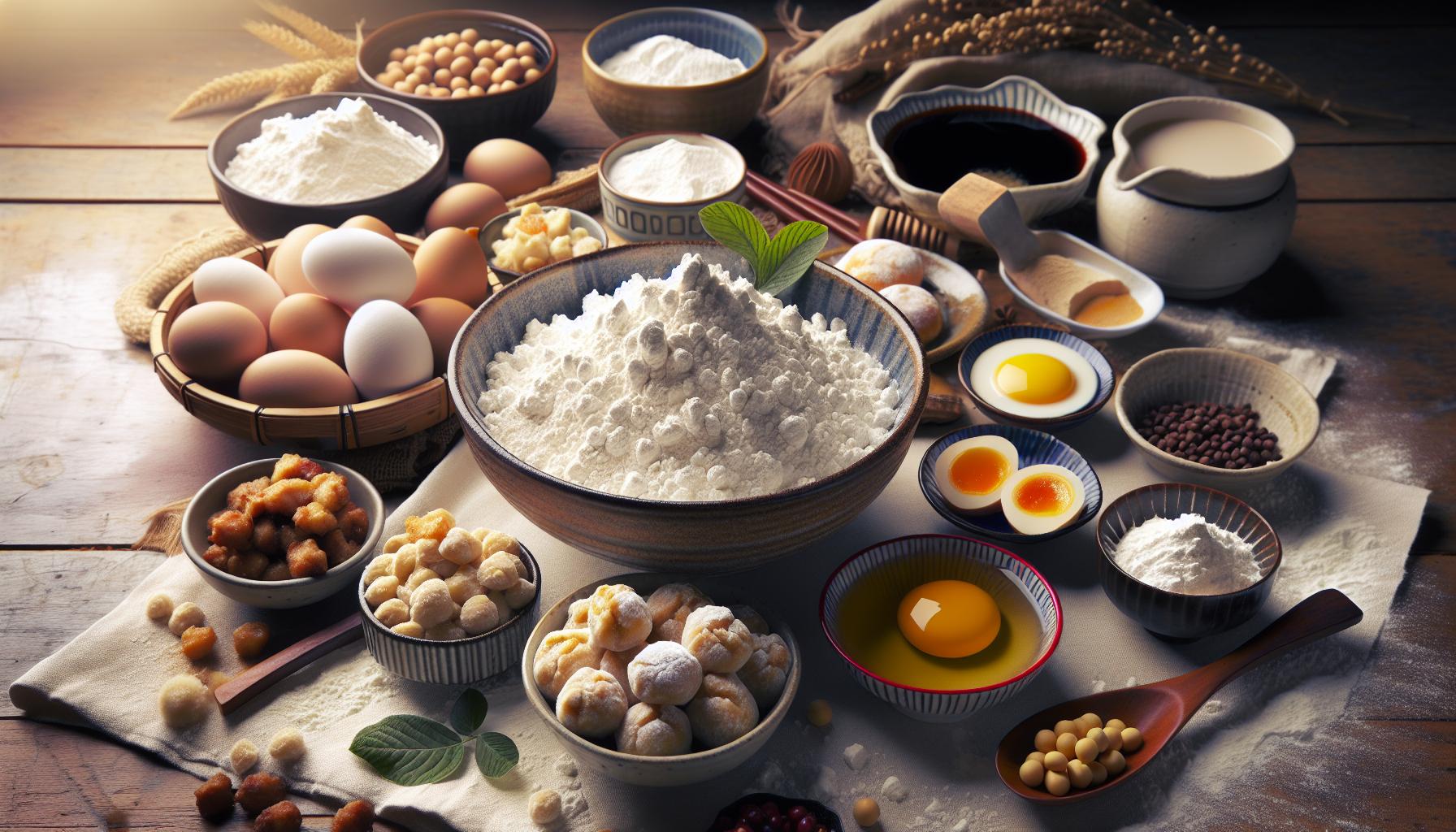
Common Asian Dishes That Use Mochiko Flour
Mochiko flour, made from glutinous rice, is a versatile ingredient that plays a key role in many Asian dishes, especially within Hawaiian cuisine.Its unique ability to provide a chewy texture and a slightly sweet flavor makes it a staple for convenience and authentic taste in a variety of recipes. If you’re exploring ways to substitute mochiko flour, itS essential to recognize the delightful dishes it enhances.
Mochiko Chicken
one of the standout dishes using mochiko flour is Mochiko Chicken. this hawaiian favorite features chicken pieces coated in a unique batter made from mochiko flour, soy sauce, sugar, and spices. The result is a crispy,salty-sweet fried chicken that stands out in any gathering. This dish not only highlights the flavor of mochiko but also showcases its textural benefits, providing a enhanced crunch that regular flour can’t achieve. For those looking to replicate this dish, a blend of regular glutinous rice flour and cornstarch can serve as an effective mochiko flour substitute, maintaining the texture while adjusting the taste slightly.
Butter mochi
Another popular dish embracing mochiko is Hawaiian Butter Mochi.This elegantly simple dessert combines gluten-free flour with coconut milk and eggs, creating a cake-like treat that boasts a wonderfully dense and chewy texture. The sweetness from the sugar and coconut gives this dish a tropical feel, reminiscent of Hawaii’s lush landscapes. If you find yourself without mochiko flour, consider substituting it with a mix of all-purpose flour and a touch of cornstarch. This variation may yield a slightly different texture, but it allows you to indulge in the delightful flavors of butter mochi.
Mochi Ice Cream
Mochi ice cream is yet another beloved creation utilizing mochiko flour. This dessert cleverly encapsulates ice cream within a thin layer of chewy rice dough, making each bite a delightful combination of creamy and chewy textures. If you’re in a pinch, creating a hybrid using a combination of sweet rice flour and tapioca starch can provide a viable substitute for mochiko flour, ensuring that you can enjoy this unique treat without interruption.
| Dish | Mochiko Flour Function | Substitute |
|---|---|---|
| Mochiko chicken | Provides a crispy batter | Regular glutinous rice flour + cornstarch |
| Butter Mochi | Creates a dense,chewy cake | All-purpose flour + cornstarch |
| Mochi Ice Cream | forms a chewy rice dough | Sweet rice flour + tapioca starch |
Incorporating mochiko flour can elevate your Asian culinary experiences,allowing for a range of textures and flavors that are uniquely delicious. By understanding these common dishes and effective substitutes, you can confidently navigate recipes that call for this remarkable ingredient, ensuring that your cooking remains versatile and adaptable.
Top 5 Substitutes for Mochiko Flour in Your Kitchen
Mochiko flour, known for its unique sticky texture and ability to create chewy dishes, is a staple in many Asian recipes. However,there are times when you might find yourself without this essential ingredient. Fortunately, several alternatives can deliver similar results in your culinary creations. Here are the top substitutes for mochiko flour that you can easily find in your kitchen or local grocery store.
Top 5 Substitutes for Mochiko Flour
- Glutinous Rice Flour: Often regarded as the closest match to mochiko, glutinous rice flour shares a similar sticky quality. Substitute it in equal amounts for your recipe. This makes it ideal for dishes like mochi and tangyuan, which rely on that signature chewiness.
- Tapioca Flour: This starchy option can also yield a chewy texture, making it suitable for many recipes that call for mochiko. Use it as a direct replacement in a 1:1 ratio. It’s notably beneficial in desserts, such as puddings and pie fillings, where a bit of elasticity enhances the dish.
- Cassava Flour: Another gluten-free option, cassava flour can be used as a substitute for mochiko in various recipes. It provides a neutral flavor and similar binding properties.Replace mochiko with cassava flour in equal measurements, and you’ll enjoy a comparable texture.
- Sweet Rice Flour Blend: If you have a gluten-free flour blend that includes sweet rice flour, this can serve well as a mochiko substitute. Its combination can mimic the texture required in many Asian recipes, so you can swap it 1:1 in your favorite dishes.
- Arrowroot Powder: While not as sticky as mochiko, arrowroot powder can work in a pinch, especially for thickening sauces and soups. For recipes aiming for that chewy texture, complement it with a little extra water to achieve a better consistency.
These substitutes for mochiko flour in your kitchen are not only practical but also easy to use. Each alternative brings its own unique flavor and texture, allowing you to create delightful Asian dishes even without mochiko on hand. Keep these options in mind the next time you embark on a culinary adventure!
How to Choose the Right Substitute Based on your Recipe
Choosing the right substitute for mochiko flour can make all the difference in achieving the desired texture and flavor in your Asian recipes. Mochiko, a sweet rice flour known for its sticky and chewy qualities, is frequently enough essential in dishes like mochi and certain desserts. However,if you find yourself in need of an alternative,understanding the characteristics of each potential substitute is crucial.
Understanding Your Recipe Needs
Before selecting a substitute, consider the specific role mochiko plays in your recipe. Is it giving structure, providing chewiness, or serving as a thickening agent? Here are a few commonly used substitutes along with their best applications:
- Glutinous Rice Flour: If you’re looking for a consistent texture similar to mochiko, glutinous rice flour is the best choice. While it may not sweeten the dish like mochiko, it retains the same chewy properties.
- Tapioca flour: best for thickening soups and gravies, tapioca offers a slightly different texture but can provide a similar binding effect.
- White Rice Flour: This flour can be used in a pinch, although it lacks the stickiness of mochiko. it’s better suited for recipes that do not require the chewy texture.
Consider Culinary Applications
To make the best choice,evaluate the dish you are preparing. For example, if you are making mochi or a dessert that relies heavily on the unique texture of mochiko, opting for glutinous rice flour is ideal. Conversely, if you are creating a batter for frying, tapioca flour might be your best bet due to its ability to create a crispy exterior.
| Substitute | texture | Use cases |
|---|---|---|
| Glutinous Rice Flour | Chewy | Mochi, dumplings |
| Tapioca Flour | Elastic | Thickeners, batters |
| White Rice Flour | Grainy | Pancakes, coatings |
Experimenting is Key
Ultimately, selecting a mochiko flour substitute might require a bit of experimentation. Each alternative will behave differently depending on its environment, so adjust cooking times and quantities accordingly. As an example, with tapioca flour, increasing the liquid slightly might yield a better texture in your final product. consider starting with a small batch to test the outcomes before committing to larger quantities in your dishes.
By understanding the properties and applications of each alternative, you’ll be better equipped to navigate recipes that traditionally rely on mochiko flour. This approach not only enhances your cooking skills but also opens up the world of Asian cuisine to greater improvisation and creativity.
Step-by-Step Guide: Using Rice Flour as a Mochiko Alternative
Unlocking the Power of Rice Flour in Asian Cuisine
When you find yourself in a pinch without *Mochiko flour*, don’t despair! Rice flour, particularly sweet rice flour, can serve as a fantastic alternative thanks to its sticky and chewy characteristics, which are essential for creating delicious Asian treats. Whether you’re preparing sweet rice cakes or other delightful dishes, using rice flour effectively can yield satisfying results.
Step-by-Step Guide to Using Rice Flour as a Mochiko Alternative
To successfully substitute rice flour in place of Mochiko in your recipes, follow these straightforward steps:
- Select the Right Type of Rice Flour: Choose sweet rice flour (also known as glutinous rice flour) for the best results, as it retains moisture and creates the desired chewy texture. If that’s not available, try brown rice flour, which can work but will alter the flavor slightly.
- Understand the Ratio: Use the same measurement of rice flour as you would Mochiko. Though, if you’re substituting brown rice flour, consider using a little less, as it can be denser.
- Incorporate Properly: Mix your rice flour with any wet ingredients thoroughly. For recipes requiring steaming or boiling, ensure the mixture is well-combined to avoid lumps.
- Adjust cooking Times: Depending on the consistency of your batter, you may need to modify the cooking or steaming time. Keep an eye on your dish while it cooks to achieve perfect texture.
Practical Application: Sample Recipe Using Rice Flour
Here’s a simple example of turning a traditional mochi recipe using rice flour:
| Ingredients | Quantity |
|---|---|
| Rice Flour (sweet glutenous) | 1 cup |
| Water | 1 cup |
| Sugar | 1/4 cup |
| Food coloring or extract (for flavor) | Optional |
Mix the rice flour, sugar, and water in a bowl until smooth. If desired,add food coloring or flavor extract.Pour the mixture into a greased dish and steam for about 20-25 minutes. once it cools, you can cut it into pieces, and you’ll have a delightful treat reminiscent of mochi, showcasing the versatility of your Mochiko flour substitute.
Using rice flour as a substitute broadens the scope of your culinary adventures. Embrace this ingredient to keep those cherished asian recipes alive and ensure that your kitchen remains a place of delightful creativity.
Creative Swaps: Incorporating Other Gluten-Free Options
Exploring Creative Gluten-Free Options
When it comes to cooking with gluten-free alternatives, one option that often comes to mind is mochiko flour, a rice flour known for its fine texture and ability to create chewy, delicious results in various Asian dishes. However, if you find yourself without this ingredient, fear not—there are several creative substitutes to consider that will keep your recipes just as delightful and satisfying.
One excellent alternative is using sweet rice flour, which is essentially what Mochiko is, but you can also explore other gluten-free flours in your culinary creations. Here are some effective substitutes:
- Gluten-Free All-Purpose Flour: This is a one-to-one substitute for Mochiko flour and works well in most recipes that require a binding or thickening agent.
- Coconut Flour: While more absorbent, using coconut flour in moderation can add a unique flavor and is excellent for creating light, airy textures.
- Almond Flour: A popular choice among gluten-free bakers, almond flour lends a slightly nutty flavor, complementing both sweet and savory dishes.
- tapioca Flour: This can be mixed with other flours to improve the chewy texture characteristic of mochiko flour.
Mixing and Matching Flours
Combining different gluten-free flours can produce results even closer to that of Mochiko flour. For example, if you blend equal parts of sweet rice flour and tapioca flour, you’ll generate a wonderfully chewy texture suitable for making mochi or other Asian delicacies. Consider following a simple ratio when experimenting with flour combinations:
| Substitute Combination | Purpose |
|---|---|
| 1 part Sweet Rice Flour + 1 part Tapioca flour | For making chewy pastries |
| 1 part Almond Flour + 1 part Coconut Flour | For gluten-free cakes and cookies |
| 2 parts Gluten-Free All-Purpose Flour + 1 part Sweet Rice Flour | For a versatile baking mix |
With a little creativity and experimentation, you can easily incorporate these gluten-free options into your cooking. The next time you find yourself in need of a Mochiko flour substitute, consider these alternatives to maintain authenticity in your Asian recipes while accommodating dietary needs and preferences.
Tips for Adjusting Recipes When Using Substitutes
When it comes to creating rice-based dishes, adapting recipes by using substitutes can be an art form. Many home cooks find themselves in situations where they need to replace mochiko flour but still want to achieve that signature chewy texture. Understanding how each substitute interacts with other ingredients is crucial for culinary success.
Understanding Texture and Flavor
Different substitutes will not only alter the consistency of your dish but can also influence the flavor. As an example,if you swap mochiko with shiratamako,you may notice a slightly different chewiness. This flour tends to produce a smoother texture, so consider this in recipes where texture is key, such as mochi or dango. On the other hand, using sweet rice flour instead of mochiko may yield a lumpier result if not mixed properly, due to its hydrophilic properties.
Adjusting Liquid Ratios
When substituting flours, adjustments in liquid ingredients may be necessary. As some rice flours absorb moisture differently, begin by maintaining the original liquid amount in your recipe. After mixing, assess the dough or batter’s consistency.
- if it’s too dry,gradually add small amounts of water or your chosen liquid until the desired consistency is achieved.
- If it’s too wet, add a bit more flour to balance the texture.
This practice ensures that you maintain the recipe’s integrity while adapting it to your substitute.
Trial and Error
Remember that cooking is often a process of trial and error. Keeping a scale handy can aid in precise measurements, allowing you to tweak recipes more systematically.Consider starting with smaller test batches to see how the substitute reacts when cooked. For example, if you’re making mochi, try using tapioca flour to see if you achieve a texture that pleases your palate.
| Substitute | Texture Profile | Best For |
|---|---|---|
| Shiratamako | Smooth and stretchy | Mochi, Dango |
| Tapioca Flour | Chewy and slightly gummy | Swiss Roll, Dumplings |
| Potato Starch | Soft and airy | Cakes, Cookies |
Utilizing these strategies not only helps in achieving the desired outcome when using substitutes for mochiko flour but also encourages creativity in the kitchen. Each adjustment paves the way for delightful new culinary discoveries!
Enhancing Flavor and Texture: Making the Most of Your Swap
If you’re venturing into the world of Asian recipes and find yourself without mochiko flour, fear not! Substituting this unique gluten-free flour can breathe new life into your dishes while maintaining or even enhancing their flavor profiles and textures.Mochiko flour, made from glutinous rice, offers a chewy, sticky quality that might seem tough to replicate. However, with the right substitutes and techniques, you can achieve a similar experience.
Choosing the Right Substitute
When it comes to finding a viable alternator for mochiko flour in your cooking, the key is to focus on the texture and binding abilities of the substitutes. Here are some excellent options to consider:
- Potato flour: This flour has a slightly different flavor but can impart a similar texture. It’s best added in smaller amounts, as it can create a denser end product.
- Tapioca flour: Also known as tapioca starch, this flour is excellent for achieving that desired chewiness. It works particularly well in desserts.
- Rice flour: While it doesn’t replicate mochiko’s stickiness perfectly, combining it with a bit of starch can create a more suitable texture for your recipes.
Enhancing Flavor Profiles
While the textural qualities of your dish are crucial, the flavor cannot be overlooked.Each substitute comes with its unique flavor,which can significantly impact your dish.Such as, potato flour adds an earthy note, while tapioca flour remains relatively neutral but sweetens subtly when it caramelizes. To enhance flavor further, consider some practical tips:
- Infuse your substitutes: Before using any substitute, think about infusing it with flavors. For instance, soaking potato flour in a broth or flavored water can lift its culinary profile.
- Adjust cooking times: Notice that some substitutes may require different cooking times or methods to deliver the perfect result. Experiment with slight adjustments to find the sweet spot for your recipes.
A Practical Example: Mochiko Chicken
Consider a popular dish like mochiko chicken. When substituting mochiko flour for potato or tapioca flour, you can achieve a delicious result by mixing the substitutes with corn starch. This combination can create a crust that mimics the original dish while providing a unique twist. Here’s a simple outline to follow:
| Ingredient | Mochiko Flour | Substitution (Potato & Corn Starch) |
|---|---|---|
| Mochiko Flour | 1/3 cup | 1/4 cup potato flour + 1/4 cup corn starch |
| Chicken | 1 lb | 1 lb |
| Sauce | 1/3 cup soy sauce | 1/3 cup soy sauce |
By experimenting with these substitutes and techniques, you can create memorable dishes that honour the spirit of recipes calling for mochiko flour, while enjoying a new flavor adventure. Whether you’re preparing a comforting dessert or a savory meal, these tips will help you navigate the substitution with confidence.
cooking Techniques: Getting It Right with Alternative Flours
Understanding Alternative Flours in Asian Cooking
When venturing into the world of Asian recipes, particularly when working with mochiko flour, it’s important to realize that this unique ingredient is prized for its sticky, glutinous properties. It’s primarily made from sweet rice, offering a texture that traditional flours simply can’t replicate. However, with the rise of dietary restrictions and preferences, knowing how to correctly substitute mochiko flour can open up a world of culinary possibilities without sacrificing the integrity of your dishes.
Choosing the right Substitutes
When selecting a mochiko flour substitute, it’s crucial to consider the texture and flavor profile you’re aiming to achieve. Here are some viable alternatives, each bringing something different to the table:
- Glutinous Rice Flour: This is the closest match to mochiko flour and will yield similar sticky textures perfect for making mochi or other Asian desserts.
- Sticky Brown Rice Flour: This option can provide a slightly nuttier flavor while still maintaining that desirable stickiness.
- Almond Flour: While not sticky, almond flour can be blended with other flours (like tapioca) to create an captivating texture, enhancing flavor at the same time.
- Tapioca Flour: Useful for adding chewiness when combined with other gluten-free flours, tapioca flour can help mimic the stretchy quality of mochiko.
For every baking adventure, knowing the nuances of these flour substitutes can make a difference. When utilizing these alternatives, it’s often helpful to adjust your liquids as they may absorb moisture differently compared to mochiko flour.
Pro Tips for Cooking with Alternative Flours
transitioning to alternative flours requires some experimentation, but it can lead to delicious outcomes. Here are a few cooking techniques that can help you achieve the best results with swaps for mochiko flour:
- Mixing Flours: Combining mochiko flour with other gluten-free flours like almond or tapioca can create a balance of flavors and textures. A general rule of thumb is to replace up to 25% of wheat flour in a recipe with your chosen non-wheat alternative to maintain the desired outcome while boosting nutrition[1].
- Hydration Adjustments: Different flours absorb liquid in distinct ways. If you replace mochiko flour with another flour, start by reducing the liquid by a tablespoon or two, then adjust based on the consistency of your mix.
- Usage in Specific Recipes: For dishes like mochi, where the texture is key, stick to glutinous rice flour. In more versatile recipes, such as batters or crusts, feel free to experiment with blends like almond and tapioca flour to find your perfect mix.
- Baking Methodology: Keep in mind the baking time and temperature may need adjustments when swapping flours. Since different flours yield different textures, monitoring your baking closely can help you avoid undercooking or over-browning.
By understanding the characteristics of various flours and applying thoughtful techniques, you can master the art of cooking with alternatives to mochiko flour and achieve outstanding results in your Asian recipes.
Frequently Encountered Challenges and How to Overcome Them
Understanding the Challenges of Finding Mochiko Flour
Mochiko flour, a staple in many Asian recipes, particularly for making mochi, can be hard to come by due to rising demand and ingredient shortages. As a notable example, the ongoing scarcity of vital ingredients such as rice flour is causing difficulties in sourcing Mochiko flour, which is central to creating the delicate texture needed for authentic dishes.When faced with a shortage, it can be frustrating, but there are practical solutions to overcome this challenge.
Finding Suitable Substitutes
If you find yourself unable to locate Mochiko flour, there are several effective substitutes that can be used to achieve similar results in your recipes. Here are some options:
- Sweet Rice Flour: Also known as “mochi flour,” this ingredient is nearly identical in composition to Mochiko and can work seamlessly in most recipes.
- Glutinous Rice Flour: this is a great alternative that retains the sticky and chewy texture characteristic of traditional mochi.
- All-Purpose Flour with Modified Starch: If you’re in a pinch, mixing all-purpose flour with a small amount of modified starch can mimic some of the properties of Mochiko.
To help you decide which substitute may work best for your needs, refer to the table below:
| Substitute | Best for | Ratio |
|---|---|---|
| Sweet rice Flour | Mochi, desserts | 1:1 |
| Glutinous Rice Flour | Mochi, soups | 1:1 |
| All-Purpose Flour with Starch | Baking, frying | 1:1 (add starch as needed) |
Adapting Recipes for Prosperous Results
When substituting Mochiko flour in your recipes, it’s important to consider texture and moisture content. Using a substitute such as glutinous rice flour may require adjustments in water or cooking times to account for differences in absorption and cohesiveness. Experimentation is key to achieving the desired consistency. Start small with your substitutions, and gradually tweak the ratios as needed to perfect your dish.
Whether facing ingredient shortages or simply looking to adjust your cooking repertoire, understanding and utilizing effective Mochiko flour substitutes can expand your culinary possibilities while ensuring delicious results in your Asian recipes.
Frequently asked questions
What is Mochiko Flour and Why is it Used?
Mochiko flour, also known as sweet rice flour or glutinous rice flour, is a staple ingredient in many Asian cuisines, particularly in Japanese and Hawaiian cooking. It is made from finely milled sticky rice, which gives it a unique chewy texture when cooked. Mochiko flour is primarily used for making mochi, a traditional Japanese rice cake, and it is ideal for recipes that require a chewy consistency, such as desserts, dumplings, and thickening sauces.
Along with its culinary uses, mochiko flour is naturally gluten-free, making it an excellent choice for gluten-sensitive individuals. Its unique properties allow it to absorb water effectively, leading to moist and luscious final products. However, if you find yourself in need of a substitute, various alternatives can mimic its qualities while still yielding delicious results.
What are the Best Substitutes for Mochiko Flour?
When looking for a substitute for mochiko flour, there are a few options that can work well in recipes, depending on what you’re making. Some of the most popular alternatives include:
- Rice Flour: Regular rice flour can be used as a direct substitute in many recipes, though the texture may not be as chewy. It’s excellent for baking or thickening, but you might need to adjust cooking times.
- Tapioca Starch: This can provide a similar chewy texture, particularly in desserts, and is excellent for thickening sauces. it’s particularly useful in recipes like puddings or mochi-like desserts.
- Katakuriko (Potato Starch): In Asia, katakuriko is often used similarly to mochiko. This starch is great for thickening and has a neutral flavor, making it a suitable replacement in soups or sauces.
Each of these alternatives may require slight adjustments in ratios or cooking times, so experimenting can help achieve the desired result.
How Do I Substitute mochiko flour in Desserts?
When substituting mochiko flour in desserts, start by assessing the original recipe and its intended texture. For example, if you are making mochi, consider using a combination of rice flour and tapioca starch for a chewy texture. A common ratio is:
- 1 cup mochiko flour = ½ cup rice flour + ½ cup tapioca starch
Mix the rice flour and tapioca starch thoroughly before adding them with other ingredients. This blend helps replicate the elasticity and chewiness of traditional mochi.
If you’re baking, keep in mind that the substitution could slightly alter the baking time or temperature. Monitor your dessert closely, and use a toothpick test closer to the end of the baking time to check for doneness.
Can I Use AP Flour Rather of Mochiko Flour?
All-purpose (AP) flour can be used in a pinch, but it will significantly change the texture of your dish. AP flour lacks the stickiness and chewiness inherent to mochiko flour. If you’re aiming for a cake or a muffin, for example, using AP flour will yield a softer, more cake-like texture, which might be desirable for some recipes.
If you wish to achieve a more similar texture, consider combining AP flour with a starch like cornstarch or tapioca starch. A good starting point is to replace 1 cup of mochiko flour with:
- ¾ cup AP flour + ¼ cup tapioca starch
This combination helps to replicate the chewiness while balancing the final texture.
What Happens When I Substitute for Mochiko Flour?
Swapping out mochiko flour for other flours does affect the final product’s texture, moisture, and taste. If you use rice flour, you may not achieve the same chewy texture but can still create a delicious outcome as seen in many traditional recipes.
in desserts,replacing mochiko flour might lead to a drier outcome,especially with non-sticky alternatives. Therefore, adjusting the moisture content (by adding a little bit more liquid or fat) can help maintain the desired consistency. Always taste and adjust seasoning or sweetness to account for any flavor differences that may arise from the substitution.
Are There Any Tips for Using Substitutes in Asian Recipes?
Absolutely! When using substitutes in Asian recipes, consider the following tips:
- Start Small: When experimenting with substitutes, start with small batches to find the right balance of flavors and textures.
- Moisture Adjustments: Since many substitutes may absorb moisture differently, you may need to adjust the liquid content in your recipe.This step can significantly affect the final consistency.
- Flavor Compatibility: Pay attention to the flavor profile of your substitute. If the substitute has a distinct flavor (like tapioca), it will impact the overall taste.
- Test and Observe: Each alternative will react differently during cooking, so observing how the mixture behaves will guide you in future attempts.
By keeping these tips in mind, you can successfully navigate your way through using substitutes in Asian recipes, ensuring tasty results each time.
Wrapping Up
Conclusion: Mochiko Flour Substitutes for Your Asian Recipes
when you’re in need of a mochiko flour substitute, you have several practical options to ensure your recipes turn out deliciously. Here’s a quick recap of the best substitutes:
Top Mochiko Flour Substitutes
- Shiratamako Flour: A great alternative that works well in desserts.
- White Rice Flour: Perfect for a similar texture in mochi and other dishes.
- Tapioca Flour: Ideal for a 1:1 substitution, especially in baking.
- arrowroot Powder: Excellent for thickening and provides a similar flavor profile.
- Potato Starch: Adds a nice chewiness to your dishes.
Quick Tips for Substitution
- Ratio Matters: Most substitutes can be used in a 1:1 ratio to mochiko, but be sure to test small batches to achieve your desired texture.
- Specific Recipes: Each substitute might alter the flavor slightly, so consider the end goal (i.e., savory vs. sweet) when choosing.
Engage with your Cooking Experience
Now that you’re equipped with easy swaps for mochiko flour, it’s time to get creative in the kitchen! Experiment with these alternatives in your favorite mochi recipes, or try whipping up new dishes inspired by classic Asian flavors. Don’t forget to share your results or ask questions in the comments section below—we love hearing about your culinary adventures! Happy cooking!


