

Cooking with fresh tomatoes can elevate your meals, but how do you transform these vibrant fruits into delicious stewed tomatoes? This guide simplifies the process, showcasing how to capture their rich flavors and textures.Learning to make stewed tomatoes not only enhances your dishes but also makes the most of seasonal produce, ensuring nothing goes to waste.
Understanding the Basics: What Are Stewed Tomatoes?
What Are Stewed Tomatoes?
Stewed tomatoes are a versatile and flavorful dish that captures the essence of fresh tomatoes while providing a delightful texture and taste.The process involves slowly simmering fresh tomatoes with seasonings, and sometimes additional ingredients, until they soften and meld together into a savory and slightly thickened sauce. This preparation not only enhances the flavour of the tomatoes but also creates a base that can be used in various dishes,making it a favourite in many kitchens.
Creating stewed tomatoes from fresh tomatoes is a straightforward process that usually involves a few key ingredients. Typically, fresh tomatoes are the star, but sugar, butter, and seasonings like salt are also commonly added to accentuate their natural sweetness and balance the acidity. Some recipes suggest including elements like crumbled biscuits or breadcrumbs, which can thicken the mixture and add depth to the flavor profile. Here’s a simple overview of how the process works:
- Preparation: Start by washing and chopping your fresh tomatoes. You can choose to remove the skins for a smoother texture.
- Cooking: Combine the prepared tomatoes with sugar, butter, and salt in a saucepan. Heat over medium, allowing the mixture to simmer until it becomes saucy—this usually takes about 30 minutes.
- Finishing Touches: If desired, add breadcrumbs in the last few minutes of cooking to thicken the sauce further.
The result is a rich, chunky mixture that can serve as a standalone side dish or a flavorful component in recipes such as casseroles, soups, or pasta sauces. Understanding the basics of how to make stewed tomatoes from fresh tomatoes will empower you to experiment with flavors and ingredients,adapting the dish to your personal palate or the seasonal produce available.Whether you are looking for comfort food or a way to preserve the taste of summer, stewed tomatoes offer a delightful and practical solution.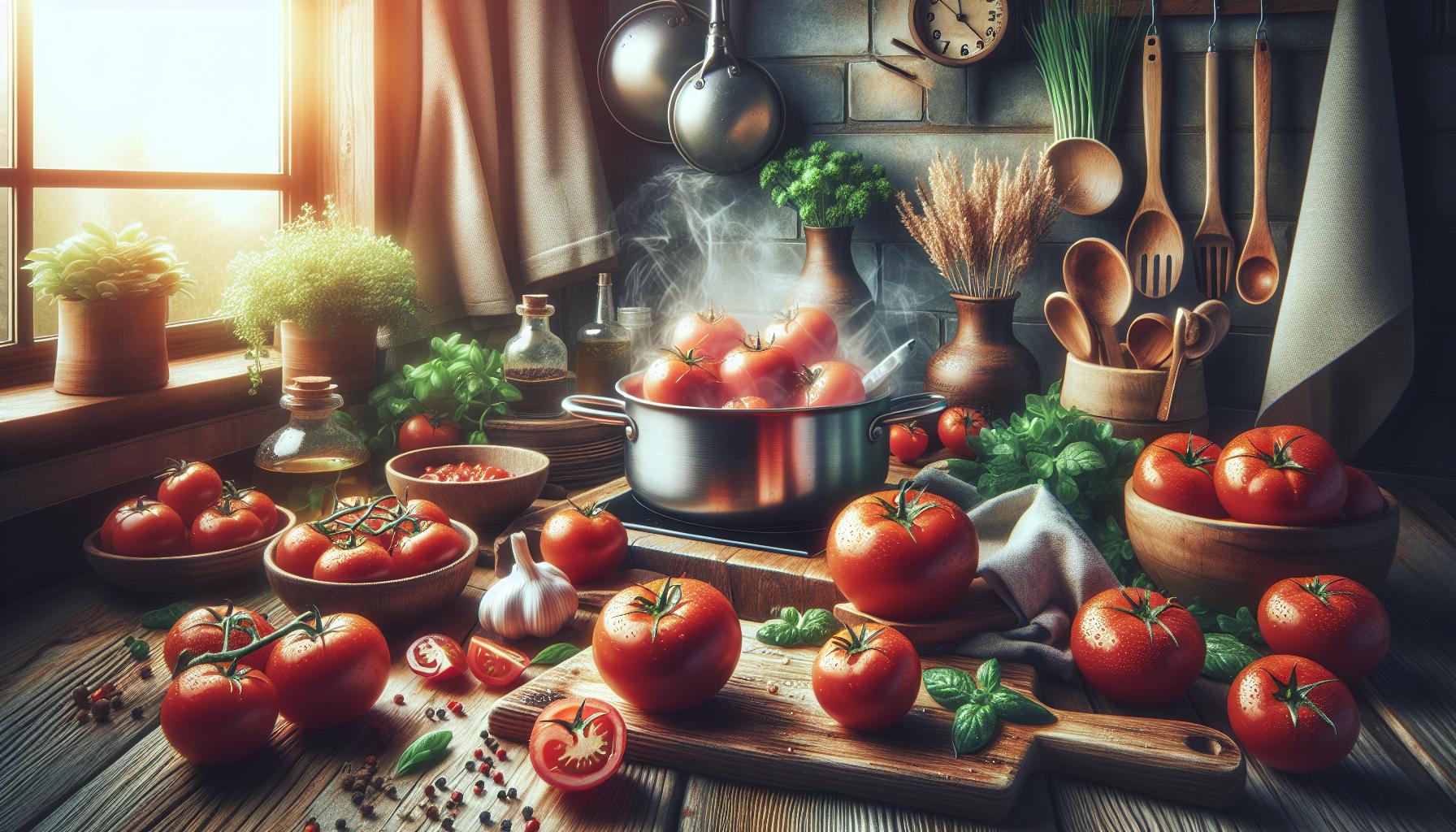
Selecting the Best Fresh tomatoes for Stewing
When it comes to creating the perfect stewed tomatoes, the type and quality of tomatoes you choose can make all the difference. Selecting fresh tomatoes that are ripe,juicy,and packed with flavor will enhance your dish and elevate its overall taste. Here’s a guide on how to pick the best tomatoes for stewing, ensuring you get the most out of your culinary experience.
What to Look For in Fresh Tomatoes
When shopping for tomatoes, consider the following characteristics to ensure your stewed tomatoes will be delicious:
- Ripeness: Opt for tomatoes that feel slightly soft and are fully colored but not overripe. A firm tomato may lack the flavorful juices necessary for stewing.
- Variety: Popular choices for stewing include Roma, San Marzano, and beefsteak tomatoes. Roma tomatoes are especially favored for their low water content and meaty texture,making them ideal for stewing.
- Aroma: Fresh tomatoes should have a fragrant smell. If they emit a sweet, earthy aroma, they are likely ripe and flavorful.
- Skin Quality: Look for tomatoes with smooth, unblemished skin. Avoid any with cracks, spots, or wrinkles, as these could indicate that the tomato is past its prime.
Seasonality Matters
Choosing tomatoes in peak season (typically summer) will ensure you are getting the most flavorful and juicy varieties. During this time, local farmers’ markets often offer an array of tomatoes that are fresher than those found in grocery stores. If you can, try to buy organic tomatoes; they tend to have richer flavors compared to conventionally grown ones.
Table of Tomato Varieties for Stewing
| Tomato Variety | Best For | characteristics |
|---|---|---|
| Roma | Stews and sauces | Meaty, low in water, rich flavor |
| San Marzano | Italian dishes | Sweet, thick flesh, few seeds |
| Beefsteak | Chopped stews | Large, juicy, and flavorful |
By carefully selecting the right fresh tomatoes, you’ll be well on your way to crafting a stunning dish that showcases the true essence of stewed tomatoes. Remember,the quality of your ingredients directly influences the success of your dish,making this step crucial in the process of making stewed tomatoes from fresh tomatoes.
Essential Tools and Equipment for Making Stewed tomatoes
Your Recipe for Success Begins with the Right Tools
When diving into the delicious world of stewed tomatoes,having the essential tools and equipment on hand can make all the difference. The process of transforming fresh tomatoes into a savory staple not only requires the right ingredients but also the proper equipment to ensure quality and safety.
To get started, you’ll need a few basic tools that will make the process smooth and efficient:
- Pressure Canner: This is a crucial piece of equipment if you plan on canning your stewed tomatoes. Pressure canners safely reach higher temperatures that are necessary for preserving low-acid foods.
- Glass Canning Jars: Depending on the amount you wish to prepare, have either quart or pint jars ready. Make sure they are suitable for canning; avoid using jars not designed for this purpose.
- Large Pot (4-6 Quarts): you’ll need this for boiling and sterilizing your jars.It should be big enough to accommodate several jars at once.
- Canning Lids and Bands: Fresh lids are essential for sealing your jars securely. Reusing old lids can lead to spoilage, so always use new ones.
- Jar Lifters and Funnels: These tools will help you handle hot jars safely and fill your jars neatly without spills.
Organizing Your Workspace
Before you start the stewing process, ensure that your workspace is organized. Lay out all your tools and ingredients so that they’re easily accessible. Use a timer or a notebook to keep track of cooking times, especially when canning, as timing is essential for food safety.
| Essential Tool | Purpose |
|---|---|
| Pressure Canner | For safely canning low-acid foods like tomatoes |
| Glass Canning Jars | To hold your stewed tomatoes during preservation |
| Large pot | For boiling/sterilizing your jars |
| Jar Lifters | To safely lift hot jars from boiling water |
Equipped with these tools, you’re ready to embark on the rewarding journey of making stewed tomatoes from fresh tomatoes. Not only does the right equipment facilitate a smoother cooking experience, but it also plays a crucial role in ensuring the safety and quality of your finished product. Enjoy the marvelous flavors and aromas that come from your homemade stewed tomatoes!
Step-by-Step Guide to Preparing Fresh Tomatoes for Stewing
Getting Started with Fresh Tomatoes for Stewing
Tomatoes are the star ingredient in any stewed tomato dish, and using fresh, ripe tomatoes can elevate your recipe to new heights. To prepare your tomatoes for stewing, you’ll first want to select the best ones.Look for tomatoes that are firm and free of blemishes, as fresh tomatoes not only enhance the flavor but also add vibrant color to your dish.
Step-by-Step Preparation
Once you have your beautiful tomatoes selected, follow these steps for optimal preparation:
- Washing: Rinse the tomatoes thoroughly under cool running water to remove any dirt or pesticides.
- Peeing and Coring: Using a sharp knife,cut out the stem end of each tomato. If desired, you can blanch them in boiling water for 30 seconds to make peeling easier.
- Chopping: Cut the tomatoes into quarters or chunks, depending on your desired texture in the final dish. This is also the perfect time to remove any excess seeds if you prefer a thicker sauce.
- Salting: Sprinkle a little salt on your chopped tomatoes. This will help draw out moisture and enhance their natural sweetness as they cook.
Cooking your Tomatoes
Now that your tomatoes are prepped, it’s time to stew them.
- Heating the Base: Start by heating a pot over medium heat. Add a splash of olive oil for flavor.
- Adding Aromatics: Consider adding diced onions, garlic, or bell peppers to the pot to create a more aromatic base. Cook them until they’re soft and fragrant.
- Incorporating Tomatoes: Once the aromatics are ready, add your prepared tomatoes to the pot. Stir gently to combine everything.
- Simmering: Reduce the heat to low to allow the tomatoes to simmer. Cook uncovered for approximately 30 minutes, stirring occasionally until the tomatoes have softened and the flavors meld together.
Using fresh, well-prepared tomatoes can significantly impact the quality of your stewed tomatoes, paving the way for that rich, comforting dish everyone loves. This guide on how to make stewed tomatoes from fresh tomatoes will ensure your final dish is packed with flavor and nutrients, making it not just a side, but a star of the meal.
Flavor Enhancements: Herbs and Spices for Delicious Stewed Tomatoes
Stewed tomatoes can be a delightful addition to various dishes, and enhancing their flavor with herbs and spices can elevate them from simple to spectacular. When exploring how to make stewed tomatoes from fresh tomatoes, incorporating the right seasonings can transform the meal, making it more aromatic and enjoyable.
Essential Herbs for Your Stewed Tomatoes
using fresh herbs brings brightness and depth to stewed tomatoes. Here are some tried-and-true herbs that can enhance the flavor:
- Basil: Adds a sweet,slightly peppery flavor that complements the natural sweetness of tomatoes.
- Oregano: Offers a warm,slightly bitter taste that pairs well with tomato-based sauces and enhances Italian dishes.
- Thyme: This herb provides subtle earthy notes, enriching the complexity of your stewed tomatoes.
- Parsley: A fresh finish that balances flavors and adds brightness.
For a quick reference, here’s a table summarizing the flavor profiles of these herbs:
| Herb | Flavor Profile |
|---|---|
| Basil | Sweet, Peppery |
| Oregano | Warm, Slightly Bitter |
| Thyme | earthy, Subtle |
| Parsley | Fresh, Bright |
Spice It Up
While herbs could steal the show, spices also play a crucial role in flavor enhancement. A dash or two of the following spices can make your stewed tomatoes pop:
- Red Pepper Flakes: Introduce a mild heat, perfect for those who enjoy a spicy kick.
- garlic Powder: Infuse your dish with robust aroma and depth without the hassle of fresh garlic.
- Black Pepper: A staple that adds sharpness and an earthy undertone.
- Smoked Paprika: This can bring a smokey flavor reminiscent of outdoor grilling, enhancing the dish’s richness.
Blending these herbs and spices in your recipe for stewed tomatoes allows you to customize the dish to your liking while adhering to the easy approach laid out in guides on how to make stewed tomatoes from fresh tomatoes. By experimenting with combinations, such as basil with crushed red pepper for a spicy twist, you can craft a unique flavor palette that suits your palate.
understanding the role of herbs and spices can take your stewed tomatoes to new heights of flavor. Utilizing fresh ingredients and a variety of spices ensures that your dish will stand out, making this classic recipe an exciting staple in your cooking repertoire.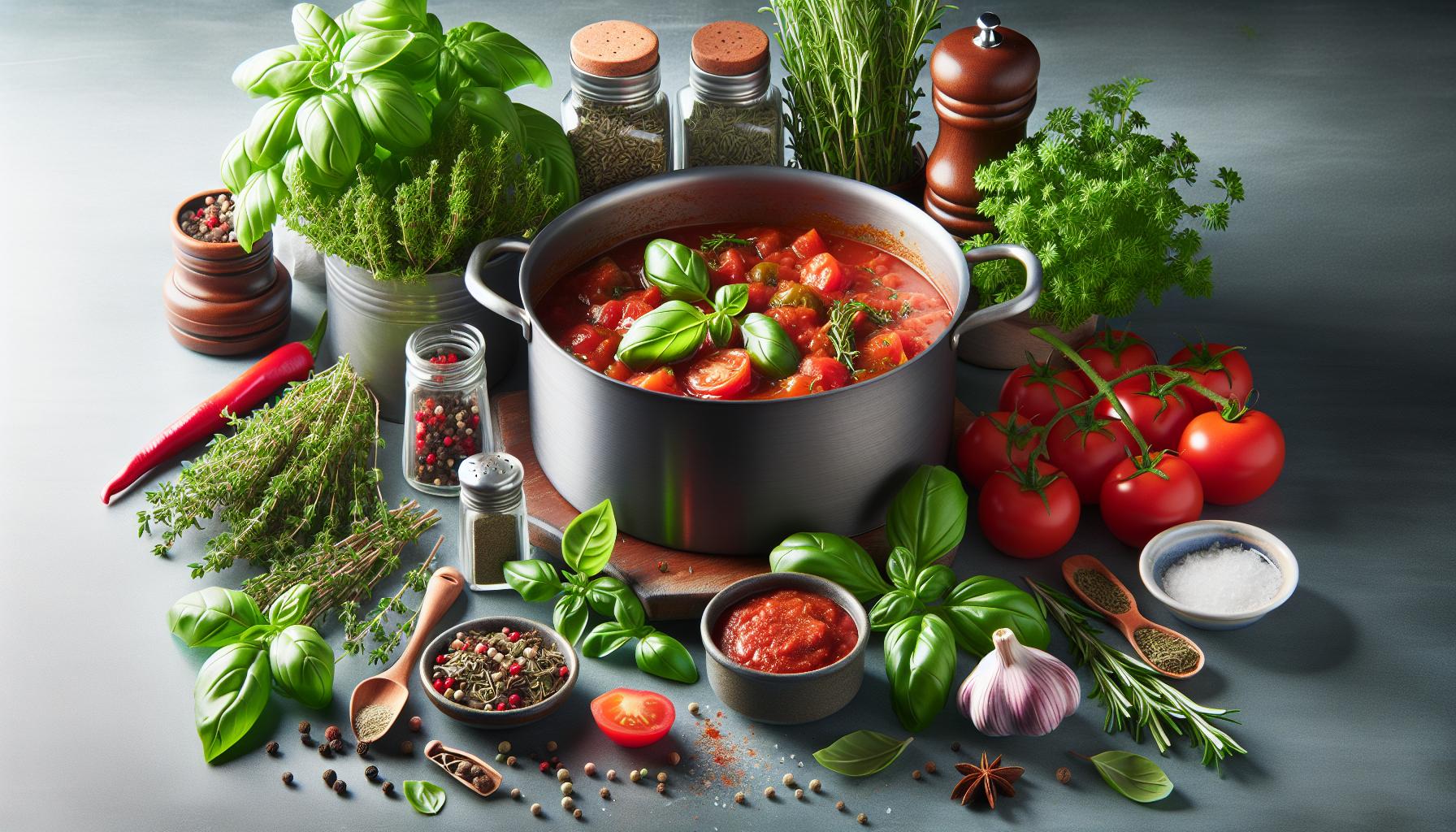
Cooking Techniques: Simmering vs. Slow Cooking your Stewed Tomatoes
Understanding Simmering and Slow Cooking for Stewed Tomatoes
When it comes to the rich and comforting dish of stewed tomatoes, the cooking method you choose can significantly influence the flavor and texture of your final product. Both simmering and slow cooking have their merits, and knowing when to use each technique can elevate your culinary creations.
Simmering is a swift technique that typically involves cooking over medium to low heat until the ingredients meld together beautifully. This method allows for a quicker infusion of flavors, making it ideal for fresh stewed tomatoes when you’re eager to serve them right away. As you embark on your journey of how to make stewed tomatoes from fresh tomatoes, consider the process: start by dicing your tomatoes and sautéing them with onions and garlic over medium heat. Allow them to simmer for about 20-30 minutes, stirring occasionally. this method not only preserves the bright flavor of fresh tomatoes but also creates a sauce that is slightly chunky,retaining some of the tomato’s structural integrity.
Conversely, slow cooking provides a different experience altogether. Utilizing a slow cooker allows the tomatoes to cook gently over several hours, which can deepen flavors and create a silky texture. This method is especially beneficial if you are preparing a large batch for later use, as the stewed tomatoes become incredibly tender and infused with the aromatic essence of herbs and spices. To achieve this,combine your diced tomatoes with seasonings,sugar,and a hint of butter,and cook on low for about 6-8 hours. The longer cooking time allows the sugars in the tomatoes to caramelize slightly, enhancing the overall sweetness and richness of the dish.
| Cooking Technique | Best Usage | Flavor and Texture | Time Required |
|---|---|---|---|
| Simmering | Quick meals, immediate serving | Chunky, fresh flavor | 20-30 minutes |
| Slow Cooking | Meal prep, depth of flavor | Silky, deeply flavored | 6-8 hours |
Whether you choose to simmer or slow cook your stewed tomatoes, each technique brings unique advantages to your kitchen. By mastering both methods,you can adapt based on your schedule and desired outcome. The next time you’re wondering how to make stewed tomatoes from fresh tomatoes, consider how these cooking techniques can enhance your dish, bringing out the best in your tomato bounty.
Storing and preserving Your Stewed Tomatoes for Later Use
When tomatoes are in season, there’s nothing quite like the rich flavor of stewed tomatoes, making it easy to appreciate why so many people want to enjoy this delicious dish year-round.Proper storage and preservation techniques can help you savor those summer flavors well into the colder months. Whether you’re enjoying a hearty bowl of stewed tomatoes or incorporating them into your favorite recipes, understanding how to properly can and store them is essential for maintaining taste and quality.
Preserving Stewed Tomatoes via Pressure Canning
One of the best methods to preserve stewed tomatoes is through pressure canning. This method not only extends the shelf life but also ensures safety by eliminating harmful bacteria. To pressure can your stewed tomatoes, begin by gathering your ingredients, including fresh tomatoes, green peppers, celery, and onions.
Here’s a simple step-by-step guide for pressure canning:
- Prepare the tomatoes by washing, peeling, and chopping them as desired.
- mix in chopped green peppers, celery, and onion for added flavor.
- Place the mixture in a pressure canner, following the equipment’s instructions regarding boiling water and processing times.
- Seal jars tightly and process according to the pressure canner guidelines specific to your altitude.
Your stewed tomatoes can be stored in a cool, dark place for up to a year, allowing you to enjoy their flavor throughout the off-season.
Option Methods: Freezing and Storing in Jars
If pressure canning seems daunting, you can also freeze your stewed tomatoes. Freezing not only preserves the essence of summer but is a quick and straightforward method. Here are some actionable tips to follow:
- Allow the stewed tomatoes to cool completely after cooking.
- Transfer them into quart or gallon freezer bags, ensuring you remove as much air as possible before sealing.
- Label the bags with the date as a handy reminder, and store them flat in the freezer to save space.
Aside from freezing, you can also store your stewed tomatoes in sterilized jars in the refrigerator. This method works best if you plan to consume them within a few days. For longer storage, consider hot water bath canning, which involves submerging jars of hot stewed tomatoes in boiling water for a specific period. Remember to follow safe canning practices to maintain quality.
With these methods,you can enjoy home-cooked,flavorful stewed tomatoes all year long—transforming simple meals into something extraordinary no matter the season. Whether you decide to pressure can,freeze,or jar them,the joy of preserving your summer harvest will always bring a taste of warmth to your table.
Creative Ways to Use Stewed tomatoes in Your Cooking
unlocking Culinary Potential with Stewed Tomatoes
Stewed tomatoes are a delightful ingredient that can elevate numerous dishes while providing rich flavors and vibrant colors.Beyond being a fantastic standalone dish, they can serve as a base or enhancement for various culinary creations. Incorporating stewed tomatoes into your cooking not only adds nutritional value but also simplifies meal preparation, making it easier to whip up satisfying meals any day of the week.
Incorporate into Soups and Stews
One of the most classic uses of stewed tomatoes is adding them to soups and stews. They can provide a base for minestrone, chili, or any recipe requiring a robust tomato flavor. Simply stir in a jar of your homemade stewed tomatoes, complete with their aromatic herbs and spices, to instantly boost the dish’s heartiness.
- Chili: Mix stewed tomatoes into your chili for depth.
- Vegetable Soup: Add as a base to create a rich, flavorful broth.
Enhance Pasta Dishes
Imagine a quick weeknight pasta dish that’s both filling and delicious. By adding stewed tomatoes to your favorite pasta recipes, you can create a simmering sauce without the hassle of lengthy cooking times. The natural sweetness of stewed tomatoes can complement the flavors of garlic, basil, and parmesan, making for a delightful meal.
- Pasta Primavera: Toss with seasonal vegetables for a fresh spring dish.
- Lasagna: Use in the layers or as a topping instead of marinara sauce.
Creative Side Dishes and More
Stewed tomatoes also shine as a complement to a variety of side dishes. Whether you want to brighten your grains or add a pop of color to roasted vegetables, consider these tips:
| Dish Type | Creative Request |
|---|---|
| grains | stir into rice or quinoa for a tangy twist. |
| Roasted Vegetables | Drizzle stewed tomatoes over roasted vegetables for extra flavor. |
think about using stewed tomatoes in your breakfast dishes, such as integrating them into shakshuka or omelets for a zesty start to the day. With their versatility and ease of use, stewed tomatoes are an invaluable ingredient in the kitchen, transforming ordinary meals into extraordinary culinary experiences.By exploring creative applications, you can easily incorporate the essence of stewed tomatoes into various aspects of your cooking, making meal preparation a delightful adventure.
Troubleshooting Common Issues When Making Stewed Tomatoes
When preparing stewed tomatoes, several common pitfalls can disrupt the process, from flavor imbalances to textural mishaps. having a solid understanding of these issues can elevate your culinary experience and ensure your dish turns out as intended. Here’s how to address some frequently encountered problems.
Identifying Too Tart Tomatoes
One of the most common complaints involves the tartness of stewed tomatoes. This can often result from an excess of acidity, whether from added lemon juice, citric acid, or the tomatoes themselves.To remedy this in future batches, consider the following tips:
- Balance Acidity: Use less acid in your recipe or select sweeter tomato varieties, such as Roma or San marzano.
- Sweeten the Pot: If your tomatoes do turn out too tart, adding a pinch of sugar during cooking can help neutralize the acidity.
Texture Troubles
Inconsistent textures can also plague your stewed tomato dish,frequently enough resulting from the way the tomatoes are prepared. To avoid mushy or overly chunky tomatoes:
- Uniform Cutting: Ensure all tomatoes are chopped to a similar size to promote even cooking.
- Cooking Temperature: Maintain a steady simmer rather than a rapid boil to prevent breaking down the tomatoes too quickly.
Making the Most of Your Ingredients
Preserving the quality of your stewed tomatoes starts with the selection and handling of your ingredients. If you notice your canned tomatoes are compromised:
| Sign of spoilage | Action to Take |
|---|---|
| Blown or Leaking Can | Discard promptly. |
| Rusty or Dented Can | Check for any signs of bulging; if present, discard. |
| Unusual Smell or Appearance | do not consume; best to be safe. |
Implementing these strategies can significantly enhance your stewed tomatoes, making the process smoother and the outcomes more delicious. Whether you’re just following the guide on how to make stewed tomatoes from fresh tomatoes or delving into creative variations, troubleshooting these common issues will lead to a more satisfying cooking experience.
The Nutritional Benefits of Eating Stewed Tomatoes
Eating stewed tomatoes is not only a delicious way to enhance your meals, but also a smart choice for your health. Packed with an array of nutrients, they offer benefits that can support your overall well-being. When prepared from fresh tomatoes, the process of stewing makes these nutrients more bioavailable while enhancing their flavors.
Nutritional Profile of Stewed Tomatoes
Stewed tomatoes are a great source of antioxidants,vitamins,and minerals. They are particularly rich in Vitamin C, which is known for its immune-boosting properties, and Vitamin A, essential for maintaining healthy vision and skin.Additionally,stewed tomatoes contain a number of other significant nutrients:
- potassium: Helps regulate blood pressure and supports heart health.
- Fiber: Promotes digestive health and can aid in weight management.
- Folate: Vital for cell division and DNA synthesis, making it crucial during pregnancy.
- Antioxidants: Such as lycopene, which is linked to reducing the risk of certain cancers and heart disease.
Health Benefits of Eating Stewed Tomatoes
Including stewed tomatoes in your diet can offer several health advantages. Their low calorie and high nutrient density make them an excellent choice for weight management. they help to keep you full longer due to their fiber content, which can reduce the likelihood of overeating. Moreover, the cooking process can increase the levels of certain antioxidants, particularly lycopene, making stewed tomatoes a heart-healthy addition to meals.
Moreover, stewed tomatoes are incredibly versatile in the kitchen. You can incorporate them into soups, stews, sauces, and even as a topping for grains. Whether you’re following a recipe from the *How Do you Make Stewed Tomatoes from Fresh Tomatoes? Easy Guide* or experimenting with your unique creation, know that you’re not just feeding your hunger, but also nourishing your body with essential nutrients.
Remember, when you choose to prepare stewed tomatoes from fresh tomatoes, you’re opting for a dish that’s not only simple but also maximizes the flavor and health benefits, ensuring every bite is packed with goodness.
Frequently Asked Questions
What ingredients do I need to make stewed tomatoes from fresh tomatoes?
To make delicious stewed tomatoes from fresh tomatoes, you will need a few essential ingredients. Primarily, you will require:
- Fresh tomatoes: About 4-6 medium-sized ripe tomatoes work best.
- Onion: One medium sweet onion or yellow onion, finely chopped.
- Bell peppers: One green or red bell pepper, diced for added sweetness and color.
- Celery: One stalk, chopped for texture and flavor.
- Garlic: 2-3 cloves, minced for an aromatic base.
- Olive oil or butter: For sautéing the vegetables.
- Seasonings: Salt, pepper, and optional sugar to balance acidity, along with herbs like dried basil or oregano.
These ingredients come together for a flavorful base, allowing the fresh taste of tomatoes to shine through. You can also customize the recipe by adding other vegetables like zucchini or corn, depending on what you have available.
how do I prepare the tomatoes for stewing?
Preparing tomatoes for stewing is a simple but important step that enhances the final dish. Start by washing the tomatoes thoroughly to remove any dirt or pesticides.
Next, you need to core and blanch them:
- bring a pot of water to a boil.
- Score an ‘X’ on the bottom of each tomato.
- Submerge them in boiling water for about 30 seconds, then transfer them to an ice bath.
- Once cooled,the skins will easily peel off.
After peeling, chop the tomatoes into bite-sized pieces. Remove excess seeds if desired, though leaving some can add natural tomato flavor to your stew. This process ensures you have tender,flavorful tomatoes ready for cooking.
What cooking methods can I use for stewed tomatoes?
When it comes to cooking methods for stewed tomatoes, you have several options. The most common method is to use a saucepan on the stovetop.
- Heat a tablespoon of olive oil or butter in the saucepan over medium heat.
- Sauté the chopped onions, bell peppers, and celery until they are soft and fragrant, typically about 5 minutes.
- Add the prepared tomatoes and minced garlic, then stir in your seasonings.
You can bring the mixture to a gentle simmer and run it for 20-30 minutes until the sauce thickens and the flavors meld.
For those who prefer hands-off methods, try using a slow cooker.Combine all the ingredients directly in the cooker and set it on low for 4-6 hours or on high for about 2-3 hours. This method allows the ingredients to cook evenly and develop deep flavors without frequent stirring.
Can I make stewed tomatoes ahead of time?
Absolutely! Stewed tomatoes can be made in advance, which makes them a convenient side dish or ingredient. Once cooked, allow the stewed tomatoes to cool completely, then store them in an airtight container in the refrigerator. They can last up to a week.
For longer storage, consider canning the stewed tomatoes. pour the hot mixture into sterilized canning jars, seal them according to canning guidelines, and they can last for up to a year in a cool, dark place. This method not only helps preserve the flavor of the tomatoes but also provides you with a tasty homemade treat to enjoy all year round.
How can I enhance the flavor of my stewed tomatoes?
Enhancing the flavor of stewed tomatoes can be achieved through a variety of techniques and ingredients. here are some effective ways to elevate your dish:
- Herbs and Spices: Fresh herbs like basil, parsley, or thyme can significantly enhance the flavor profile. Alternatively, using spices such as red pepper flakes can add a hint of spice.
- Acid: A splash of vinegar or a squeeze of lemon juice added at the end of cooking brightens the dish and balances the sweetness of the tomatoes.
- Sweetness: If the tomatoes are particularly tart, a teaspoon of sugar or honey can cut the acidity while enhancing the overall taste.
Experimenting with different combinations will help you discover your preferred flavor balance. Additionally, adding other vegetables or proteins, such as cooked beans or ground meat, can turn your stewed tomatoes into a hearty, satisfying meal.
what are some serving suggestions for stewed tomatoes?
Stewed tomatoes are incredibly versatile and can pair beautifully with a variety of dishes. Here are some serving suggestions to enjoy your homemade stew:
- As a Side Dish: Serve stewed tomatoes alongside grilled meats or fish; they add a fresh,vibrant addition to your plate.
- Over Rice or Pasta: Spoon the stewed tomatoes over a bed of rice or pasta for a comforting meal. This can also serve as a base for a more elaborate dish, like a tomato risotto or pasta primavera.
- In Breakfast Dishes: Use stewed tomatoes as a topping for scrambled eggs or an omelet. They bring a delightful acidity and flavor,perfect for breakfast.
These serving ideas not only highlight the stewed tomatoes but also allow for creativity in your meals. Enjoy exploring different combinations that suit your taste preferences.
Closing Remarks
Conclusion: Mastering Stewed Tomatoes from Fresh Tomatoes
stewing tomatoes is not only a simple and rewarding process but also a fantastic way to preserve the fresh flavors of your garden. By following the easy steps below, you’ll create a delicious side dish that can enhance a variety of meals.
Key Points to Remember:
- Ingredients: All you need are fresh tomatoes, salt, and optional flavor enhancers like sugar, olive oil, and spices.
- Simple Process:
1. Prep the Tomatoes: Peel and chop your fresh tomatoes.
2. Cook: Simmer the tomatoes with salt and optional sweeteners in a medium saucepan. Cook until tender.3. flavor It Up: Incorporate herbs, spices, or additions like garlic and onions to elevate the flavor.
Tips for Success:
- Choose the Right Tomatoes: ripe, in-season tomatoes yield the best flavor.
- Adjust Seasoning: Taste as you go to find the perfect balance of sweet and savory.
- Storage: Stewed tomatoes can be stored in jars or containers and kept in the refrigerator or frozen for later use.
Get Cooking!
Try experimenting with different tomato varieties and spices to discover your favorite combination. Whether served as a side dish or a component in a larger recipe, stewed tomatoes are versatile and delicious.
We invite you to explore more about preserving summer’s bounty and share your own stewed tomato creations with us! Happy cooking!


