

When it comes to enhancing flavors in cooking, the distinction between dry mustard and ground mustard often creates confusion among home chefs. Understanding whether these two forms of mustard are interchangeable can impact your culinary creations, from sauces to marinades. Dive into the nuances of these mustard types and elevate your kitchen expertise.
Understanding Dry Mustard and Ground Mustard: Key Differences
the Essence of Mustard: Distinguishing Dry and Ground Varieties
Many culinary enthusiasts may wonder if dry mustard and ground mustard are interchangeable. The distinction between the two can significantly influence the flavor and texture of your dishes. Dry mustard,often referred to as mustard powder,is made from finely ground mustard seeds and typically lacks any additional ingredients. On the other hand, ground mustard can include various formulations, depending on how finely the seeds are processed. The difference lies mainly in their intended uses and flavor profiles.
Dry Mustard is notably concentrated, offering a powerful mustard flavor with a slight tang that can enhance diverse recipes. It is indeed commonly used in dry rubs, salad dressings, and marinades. Notably, if you want to replace prepared mustard with dry mustard in recipes, a general rule of thumb is to substitute 1 teaspoon of dry mustard for every tablespoon of prepared mustard, in addition to the need for a liquid (water or vinegar) to activate the flavor [[1]].
Conversely, Ground mustard refers to a variety of mustard powders, including yellow, brown, or even black mustard seeds. This type can yield a more nuanced flavor profile depending on the seed used. Ground mustard is often utilized in cooking and baking to impart a rounded mustard flavor without overwhelming the dish. it can also be used in recipes that call for mustard in both liquid and dry forms, expanding its versatility in your culinary repertoire.
| Characteristic | Dry Mustard | Ground Mustard |
|---|---|---|
| Flavor Intensity | Strong and pungent | Varies based on type (yellow, brown, black) |
| Uses | Dry rubs, dressings, marinades | Cooking, baking, versatile applications |
| Activation | Requires mixing with liquid | may be used directly or mixed |
while both dry and ground mustards share common roots, their distinct characteristics lead to different culinary applications. Understanding these differences not onyl enhances your cooking skills but also enables you to choose the right type of mustard for your specific recipes, ensuring that you achieve the desired flavor and texture every time.
The Process of Making Ground Mustard: From Seeds to Spice
The Journey of Ground Mustard: Transforming Seeds into Spice
From the moment mustard seeds are harvested, they embark on a transformative journey that converts them into the beloved spice known as ground mustard. This versatile ingredient finds its use in various dishes, adding a distinctive flavor profile that can enhance anything from dressings to marinades. But how exactly does this conversion occur, from tiny seeds to a fine, flavorful powder?
The process begins with selecting the right mustard seeds, which are commonly available in yellow, brown, and black varieties. each type brings a different level of heat and flavor to the table. After harvesting, the seeds are thoroughly cleaned to remove any impurities. Once clean, they undergo a drying process, ensuring that they are moisture-free, which is critical for achieving a high-quality grind.
Next, the seeds are ground into a fine powder using a mill or grinder. It’s vital to control the grinding time and speed to achieve the desired texture—to fine and you lose the rustic quality, too coarse and it may not blend well in recipes. The resulting ground mustard powder is not only a flavor powerhouse but also provides a unique balance of acidity and heat.When added to dishes, it contributes a complex tanginess and depth that can elevate even the simplest of meals.
Practical Tips for Using Ground Mustard
- In Dressings: Combine ground mustard with vinegar and olive oil for a zesty salad dressing.
- In Marinades: Incorporate ground mustard into marinades to tenderize meat while imparting rich flavors.
- Baking: Add a teaspoon of ground mustard to bread dough for a subtle kick.
understanding the process and versatility of ground mustard not only answers the question of whether dry mustard and ground mustard are the same but also opens up new culinary possibilities in your kitchen. As you experiment with this spice, remember its journey from seed to spice and how you can harness its unique qualities to enhance your dishes.
Common Culinary Uses for Dry Mustard and Ground Mustard
Unlocking Flavor: Culinary Uses of Dry and Ground Mustard
Dry mustard and ground mustard are versatile ingredients that elevate a variety of dishes, transcending their basic role as condiments. Their distinct sharpness and tangy flavor make them invaluable in both classic and experimental cuisines. When exploring the culinary landscape, it’s essential to understand how to harness their full potential through various applications.
1. Enhancing Sauces and Dressings
Both dry and ground mustard serve as flavor powerhouses in sauces and dressings. Incorporating them into homemade vinaigrettes or creamy dressings enhances the overall taste profile, adding a pleasant, tangy kick. As a notable example:
- Mix a tablespoon of dry mustard with olive oil, vinegar, and herbs for a zesty salad dressing.
- Combine ground mustard with mayonnaise and a touch of honey for a sweet mustard dip.
2. flavoring Meats
In the realm of meat planning, mustard can be a game-changer. The richness of meats benefits from the subtle spice and depth provided by these mustards. They can be used in a variety of ways, such as:
- In a marinade for grilled chicken, a tablespoon of dry mustard mixed with honey and soy sauce creates a delicious glaze.
- When preparing pork or beef, a dry rub containing ground mustard provides a flavorful crust.
3. Enriching Baked Goods
though less common, dry mustard can add complexity to baked goods. It imparts a unique depth to bread doughs,cheese biscuits,or savory muffins. Such as, adding a teaspoon of dry mustard to your biscuit mix will ensure that each bite has a rich undertone.
| Baked Good | Mustard Use | Result |
|---|---|---|
| Cheese Scones | 1 tsp dry mustard mixed into the batter | Adds subtle spice that complements cheese |
| Savory Muffins | 1/2 tsp ground mustard | Creates an interesting flavor contrast, enhancing overall taste |
With these culinary applications in mind, understanding the differences between dry mustard and ground mustard can empower your cooking, allowing you to experiment and find new ways to enjoy this tangy ingredient. So, the next time you reach for that jar, remember that it’s not just for sandwiches—it’s a multi-faceted flavor enhancer that’s ready to elevate your dishes to new heights.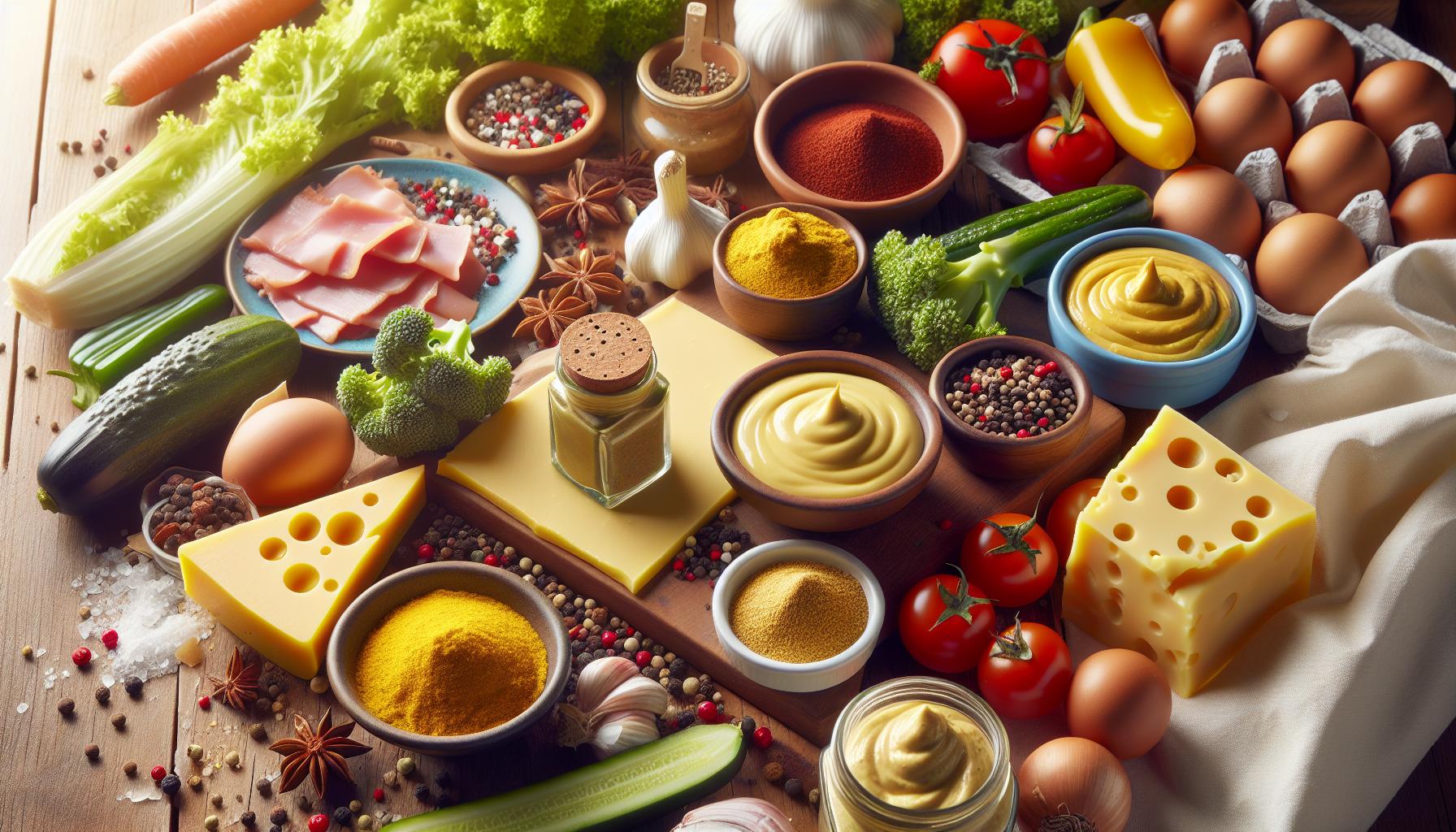
How to Substitute Between Dry and Ground Mustard in Recipes
While exploring the world of mustards, understanding the differences and how to effectively substitute between dry and ground mustard can elevate your culinary creations. Dry mustard powder, also known as ground mustard, consists of the dried seeds of the mustard plant, finely ground. It has a concentrated flavor that intensifies when mixed with liquids. On the other hand, ground mustard may refer to less concentrated mixtures, often combined with various spices and additives. Knowing how to interchange these forms can be notably handy in recipes that call for one or the other.
Substituting Dry Mustard for Ground Mustard
When you find yourself without ground mustard in your pantry, dry mustard can serve as an effective substitute. Use a 1:1 ratio for substitution, meaning if a recipe calls for 1 tablespoon of ground mustard, you can replace it with 1 tablespoon of dry mustard powder. However, since dry mustard packs a stronger punch, it’s wise to start with slightly less, tasting and adjusting as necessary. If the recipe already includes liquid,mix the dry mustard with a small amount of water (or the recipe’s liquid) first to activate its flavor before incorporating it into your dish.
Substituting Ground mustard for Dry Mustard
Conversely, if a recipe stipulates dry mustard and all you have on hand is ground mustard, you can also make an effective switch. Ground mustard typically contains additional ingredients like vinegar or spices, which may alter the flavor profile slightly. Start by using a higher quantity; a general guideline is to use 1 tablespoon of ground mustard to replace 1 teaspoon of dry mustard. This adjustment accounts for the reduced potency of the ground form due to its added components.
| Mustard Type | Substitution Ratio |
|---|---|
| Dry Mustard to Ground Mustard | 1:1 (or slightly less) |
| Ground Mustard to Dry Mustard | 1 tablespoon ground for 1 teaspoon dry |
the seamless substitution between dry and ground mustard in your recipes not only simplifies your cooking experience but also helps you adapt to pantry constraints without sacrificing flavor. remember, experimentation with quantities and tasting along the way are key to achieving the desired outcome in your dishes.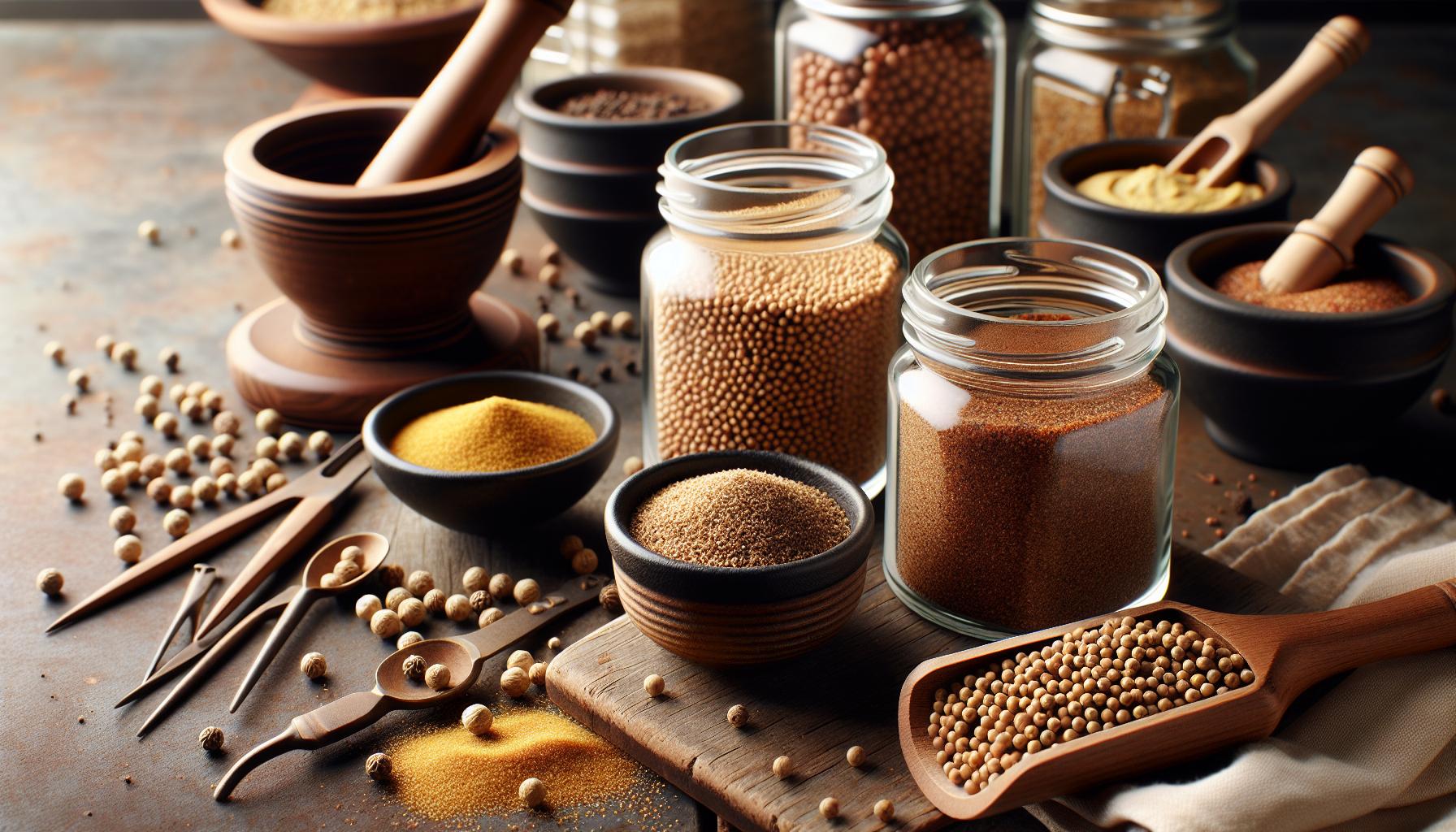
Flavor Profiles: What to Expect from Each Mustard Type
Flavor profiles of mustard are as diverse as their culinary applications, providing an intriguing exploration for food enthusiasts.A common misconception stems from confusing dry mustard with its ground counterpart, yet each brings its unique flavor and intensity to the table.
Exploring Common Mustard Varieties
When it comes to flavor, the diversity among mustard types is remarkable. Here’s a breakdown of popular mustard varieties and what to expect from each:
| Mustard Type | Flavor Profile |
|---|---|
| Dijon | Pungent and slightly spicy, with a smooth texture that offers a refined taste. |
| yellow Mustard | Mild and tangy, this type is often characterized by its vinegary kick and sweetness. |
| Spicy Brown Mustard | Robust and sharp, producing a strong heat that pairs well with meats. |
| Honey Mustard | A sweet and tangy blend, it combines honey’s sweetness with mustard’s classic bite, perfect for dressings. |
| Whole Grain mustard | Rich and textural, offering both sharpness and a slight crunch for added depth. |
The Role of Ingredients
Each mustard type’s flavor profile also hinges on its base ingredients. As an example, yellow mustard usually includes distilled vinegar, which gives it its tangy note, while Dijon mustard incorporates white wine or wine vinegar, enhancing its complexity. This variance leads to unique flavor combinations when used in dishes.For example,using spicy brown mustard in a marinade can elevate grilled meats by adding a spicy,aromatic layer,while honey mustard can serve as a delightful dip,balancing out spicy fried foods.
Application in cooking
Understanding the specific flavors can enhance your cooking experience. As an example, dry mustard, often less intense before hydration, is excellent for adding depth to sauces, dressings, and spice blends. When preparing a sauce, incorporating ground mustard can help build a backnote that complements other ingredients without dominating the dish.
the exploration of different mustard types uncovers a world of flavors, allowing cooks to fine-tune their dishes. Whether you opt for a spicy brown or a sweet honey variant, each mustard brings its character, enhancing meals in delightful ways. By recognizing the characteristics highlighted in ‘Is Dry Mustard and Ground Mustard the Same? Explained’, you can confidently select the right mustard for every occasion.
Storing Mustard Products: Tips for Longevity and Freshness
Maximizing the Shelf Life of Mustard
Did you know that mustard, both in its liquid and powdered forms, can last a long time when stored properly? Understanding the best ways to store mustard products not only enhances their flavor but also keeps them safe for consumption. Whether you’re using dry mustard for cooking or a delicious spreadable mustard for your sandwiches, following these tips can help maintain their freshness and longevity.
Storage Guidelines for Liquid Mustard
When it comes to opened mustard, refrigeration is typically recommended to preserve its quality, although it can last up to a year or more when stored at room temperature if kept tightly sealed [2[2]. Here’s how to optimize your storage:
- Refrigerate After Opening: To maintain optimal flavor and freshness, always refrigerate mustard once opened.
- Airtight Container: Make sure it’s stored in a well-sealed container to prevent contamination and odor absorption from your fridge.
- Check Expiration Dates: While mustard can last a long time, be aware of expiration dates and any color or texture changes.
Storing Dry and Ground Mustard
Unlike its liquid counterpart, dry mustard (often used in recipes) has a longer shelf life when stored correctly. While it can remain potent for years, its flavor diminishes over time without proper care. Consider the following storage methods for your dry mustard products:
- Cool,Dark Place: Store dry mustard in a cool,dark area,such as a pantry or cupboard,away from moisture and heat.
- Sealed Containers: Keep it in a tightly sealed container to prevent moisture and air exposure, which can spoil its flavor.
- Use Within a Year: For the best flavor, try to use dry mustard within one year of opening, although it may be safe beyond that time.
Conclusion
By following these simple yet effective storage tips, you can enjoy your mustard products—be it dry mustard or liquid mustard—at their best. Understanding how to properly maintain these condiments not only ensures their safety but also enhances your culinary experience. For anyone wondering, “Is Dry Mustard and Ground Mustard the Same?” knowing the storage techniques can further help in utilizing these ingredients efficiently in your cooking endeavors.
Popular Dishes Featuring Dry and Ground mustard
Exploring the Essence of Mustard in Culinary Delights
Mustard, particularly in its dry and ground forms, serves as a culinary powerhouse that enhances everything from marinades to dressings.With its ability to deliver a striking flavor profile characterized by sharpness and a slight tang, dry and ground mustard can take simple dishes to new heights. While some might wonder, “Is dry mustard and ground mustard the same?” the answer reveals a nuanced world of culinary possibilities that can complement various recipes.Here are some popular dishes that savor the distinctive qualities of dry and ground mustard:
- Salad Dressings: A classic vinaigrette can be elevated by incorporating ground mustard. Its emulsifying properties help blend oil and vinegar seamlessly,adding a delightful sharpness.
- Marinades and Rubs: Dry mustard adds depth to meat marinades, particularly for grilled dishes.It enhances flavors in combination with herbs and spices,making it ideal for chicken and pork.
- Deviled Eggs: A touch of dry mustard mix enriches the egg yolk filling, providing a zesty twist that complements the creaminess of mayonnaise.
- Mustard-Based sauces: Ground mustard can be the star ingredient in sauces, like honey mustard and mustard BBQ sauce, perfect for dipping or slathering on meats.
Why Choose Dry or Ground Mustard?
Each type of mustard has unique characteristics that can influence a dish. Dry mustard is often more potent, offering a concentrated flavor that can be balanced with liquids during cooking. Ground mustard, meanwhile, provides a smoother texture and can be used directly in recipes or as a seasoning.
Incorporating dry or ground mustard into your cooking repertoire can transform ordinary meals into unusual culinary experiences. Experiment with these popular dishes and explore how mustard can enhance your favorite flavors, making each meal noteworthy. Whether you’re seeking to understand “Is dry mustard and ground mustard the same?” or simply looking to elevate your cooking, the versatility of mustard remains unmatched.
Nutritional Comparison: Health Benefits of Dry and Ground Mustard
The Nutritional Powerhouse of Mustard
Did you know that mustard, whether dry or ground, is not only a flavor enhancer but also a treasure trove of health benefits? Both forms of mustard come from the seeds of the mustard plant, and they share a rich nutritional profile, which can support overall health in various ways. Understanding the differences and advantages of both dry and ground mustard can help you make informed choices in your culinary adventures.
Health Benefits of Dry Mustard
Dry mustard, made from ground mustard seeds, is frequently enough used in recipes for its concentrated flavor. here are some key health benefits associated with its consumption:
- Low Calorie Count: dry mustard is virtually calorie-free,making it an excellent choice for those looking to enhance flavor without adding excessive calories to their meals.
- Rich in Antioxidants: Mustard seeds contain beneficial plant compounds that can help combat oxidative stress in the body.
- Supports Digestive Health: The compounds in mustard may aid digestion and contribute to gut health by promoting enzyme production.
Ground Mustard: Flavor and Function
Ground mustard, typically mixed with vinegar and water to form prepared mustard, can offer similar yet distinct benefits. This form retains many of the nutritional advantages of its dry counterpart while providing some additional components as of the added ingredients:
- Increased Versatility: Prepared mustard can be utilized in salad dressings, marinades, and sandwiches, making it an easy addition to a healthy diet.
- Boost of Flavor Without Excess Sodium: Using mustard can enhance flavors without relying on sodium-rich condiments, allowing for healthier recipes.
- Contains Minerals: Prepared mustard is often fortified with various minerals, impacting overall health positively.
| Nutrient | Dry Mustard (per tablespoon) | Ground Mustard (per tablespoon) |
|---|---|---|
| Calories | 5 | 10 |
| Sodium | 1 mg | 55 mg |
| Potassium | 20 mg | 30 mg |
| Calcium | 4 mg | 2 mg |
| Iron | 0.1 mg | 0.2 mg |
In sum, both dry and ground mustard possess unique health benefits that can significantly contribute to a balanced diet.they make delightful additions to various dishes,ensuring your meals are not only tasty but also nutritious. Whether you prefer to sprinkle dry mustard in a recipe or slather on ground mustard in a sandwich, you can confidently reap their health benefits.
faq
What is Dry Mustard and How is it different from ground Mustard?
dry mustard is essentially ground mustard seeds that have been dehydrated, creating a powder that retains the pungent flavor characteristic of mustard. It’s commonly used in cooking and as a seasoning, offering a more concentrated flavor compared to prepared mustard. Ground mustard, on the other hand, sometimes refers to the same dry mustard powder; however, it can also encompass a broader category of milled mustard seeds that might vary in texture and flavor profile, depending on the specific type of mustard seed used.
The primary distinction lies in their uses and preparation. Dry mustard requires activation with liquids such as water or vinegar to release its flavors, while ground mustard, depending on how it’s specified, could be used directly in recipes without additional mixing. So, if you’re ever unsure at a glance, it’s a good rule of thumb to check the context in which these terms are used.
Can You Substitute Dry Mustard for Prepared Mustard?
Yes, you can substitute dry mustard for prepared mustard in recipes, but there’s a conversion ratio to follow. The general guideline is to replace 1 tablespoon of prepared mustard with 1 teaspoon of dry mustard. It’s essential to consider the added liquid aspects of your recipe when making this substitution, as prepared mustard includes vinegar and other components.
To achieve the best results when substituting, you’ll want to mix the dry mustard with an appropriate amount of water, vinegar, or other liquids to mimic the consistency and flavor of the prepared mustard.as an example, mix 1 teaspoon of dry mustard with 1 tablespoon of water or vinegar before adding it to your dish. This method not only helps to activate the dry mustard but also ensures the flavors are balanced, especially in sauces or dressings.
What Are the Culinary Uses of Dry Mustard?
dry mustard is a versatile ingredient widely used in various culinary applications. It can be incorporated into salad dressings, marinades, spice rubs, and sauces, adding a unique heat and depth of flavor. Chefs frequently enough rely on dry mustard for its ability to blend seamlessly with other spices and ingredients, enhancing dishes without overpowering them.
Additionally, you can use dry mustard in baking, particularly in bread recipes, where it adds an unexpected flavor note.For example, mixing a teaspoon of dry mustard into your dough can elevate the taste profile, making it stand out. Dry mustard can also be a key ingredient in making classic condiments like deviled eggs or potato salad, where it provides a tangy kick that complements other flavors.
Are There Different Types of Dry Mustard?
Indeed, there are several types of dry mustard, primarily distinguished by the type of mustard seed used. The most common varieties include yellow (or white) mustard,brown mustard,and black mustard. Yellow mustard is the mildest and is frequently enough what people think of when they envision mustard powder. Brown mustard is spicier and has a more robust flavor, and black mustard seeds yield an even sharper taste.
When selecting dry mustard for a recipe, consider the flavor profile you want to achieve.For lighter dishes, yellow mustard powder may be preferable, while richer or heartier meals might benefit from the stronger notes of brown or black mustard. Moreover, experimenting with these variations can open up new dimensions in your cooking, allowing you to customize your dishes to your personal taste.
How Should Dry Mustard be Stored?
Proper storage of dry mustard is crucial for maintaining its flavor and potency. Keep it in an airtight container in a cool, dark place, such as a pantry or cupboard. Exposure to light, moisture, and extreme temperatures can degrade the quality over time. when stored correctly, dry mustard can last for an extended period, potentially up to two years, but for optimal flavor, it’s recommended to use it within six months to a year.
It’s also wise to label your containers with the purchase or opening date. this practice helps you keep track of freshness. If you’re unsure whether your dry mustard is still potent, you can test it by mixing a small amount with liquid – if it doesn’t produce a strong aroma or flavor, it might be time to replace it.
What Are Some tips for cooking with Dry Mustard?
When cooking with dry mustard,activation is key. Always mix it with an appropriate liquid before using it in recipes. Water is the most common, but vinegar or broth can enhance the flavor even further, depending on your dish. allowing the mixture to rest for about 10 minutes before using can intensify its flavor.
Using dry mustard in cooking offers a level of versatility.For a subtle infusion, add it to marinades or dressings; for a bolder effect, consider incorporating it into more prominent recipes, like glazes for meats or pasta dishes. Moreover, experimenting with combining dry mustard with complimentary spices such as garlic or paprika can elevate your meals, giving them complex flavors that captivate the palate.
In Retrospect
Outro: Understanding Dry Mustard and Ground Mustard
while dry mustard and ground mustard may seem similar at first glance, they serve distinct purposes in cooking and flavor enhancement. Here are the key takeaways:
- Definition: Dry mustard is a spice made from ground mustard seeds, frequently enough used for its concentrated flavor. Ground mustard can refer to any mustard seed that has been ground into a powder, including those that are used in prepared mustards.
- Flavor profile: Dry mustard tends to have a sharper, more intense flavor, while ground mustard might be milder, depending on the seeds used.
- Usage: Use dry mustard in spice blends,marinades,or dressings for a stronger kick. Ground mustard can often be used in similar applications but may require adjustments in recipe amounts based on the desired intensity.
Next Steps:
- Experiment: Test both types in your favorite recipes to see how they alter the flavor profile. A simple adjustment can lead to delightful new tastes.
- Explore recipes: Check out different culinary applications for each type. From salad dressings to sauces, both varieties of mustard can be incorporated easily.
- Engage: Join our community discussions or share your own experiences with using mustard in your cooking. Your insights might inspire others!
By understanding the nuances between dry mustard and ground mustard, you can elevate your culinary skills and add a vibrant flair to your dishes. Enjoy exploring the world of mustard!


