

When your favorite recipe calls for ancho chili powder but your pantry is bare, fear not! Finding the perfect substitute can elevate your dish with the same smoky depth and flavor. Understanding suitable alternatives is essential for any home cook looking to maintain a robust and delicious profile in their culinary creations.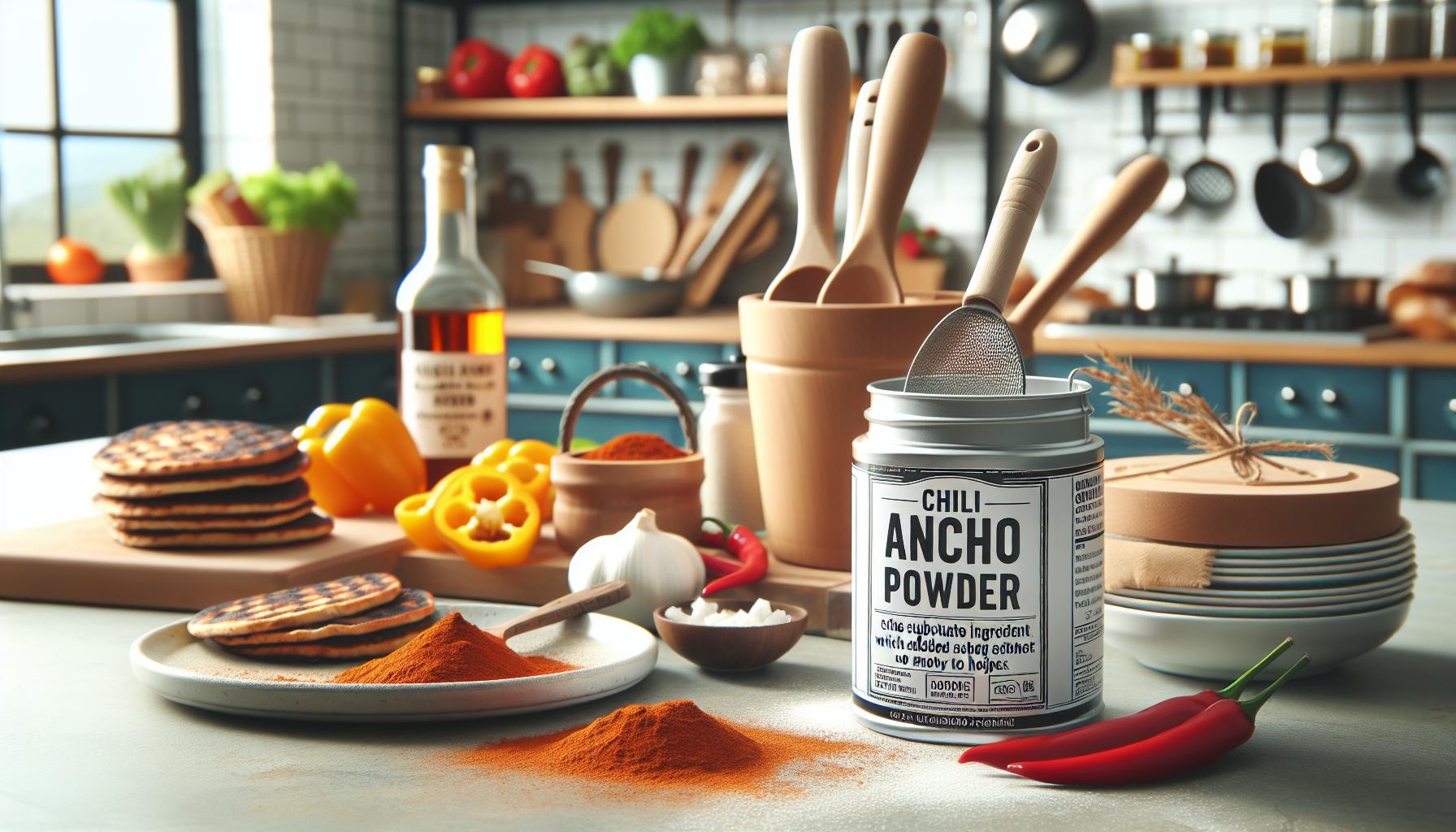
understanding Chili Ancho Powder: what Makes It Unique?
Discovering the Depths of Chili Ancho Powder
Chili ancho powder is a culinary gem that elevates dishes with its distinctive smokiness and rich flavor. Derived from ripened dried poblano peppers, this spice is a staple in Mexican cuisine, celebrated not only for its moderate heat but also for its complex taste profile that combines sweetness and earthiness. While many chili powders are known for their pungency,chili ancho brings an inviting warmth that complements a variety of recipes,making it incredibly versatile in the kitchen.
One of the standout aspects of chili ancho powder is its unique preparation process. the peppers are harvested once fully ripened and sun-dried, allowing them to develop their deep color and flavor before being ground into a fine powder. This meticulous process contributes to its renowned smoky undertones, wich can transform ordinary dishes into extraordinary culinary experiences. Using it as a meat rub or in sauces can enhance the overall flavor and complexity of your meals, adding depth without overwhelming spiciness.
To effectively incorporate chili ancho powder into your cooking,consider the following practical applications:
- Marinades and Rubs: Combine ancho powder with olive oil,garlic,and lime juice for a delicious marinade for meats.
- Soups and Stews: Stir in a teaspoon or two of ancho powder to enrich the flavor of chili or bean soups.
- Salsas and Sauces: Use chili ancho powder to add a smoky kick to homemade salsas or barbecue sauces.
By integrating ancho powder into your repertoire, you can achieve a deeper, more satisfying flavor in your dishes. Whether you’re aiming to craft customary Mexican fare or simply looking to enliven everyday meals, exploring the use of chili ancho powder can be a game-changer in achieving that desired smoky heat, making it one of the best options to consider in your spice collection.
Top Alternatives to Chili Ancho Powder for Smoky Flavors
If you’re looking to recreate the distinct smoky flavor of chili ancho powder in your dishes, you’ll find an array of alternatives that can equally tantalize your taste buds. Ancho chili powder, known for its sweet, fruity essence and mild heat, is frequently enough a staple in Mexican cuisine. Though, if you don’t have it on hand, fear not! There are several substitutes that can bring that much-desired smokiness.
Guajillo Chili Powder
One of the foremost substitutes for chili ancho powder is guajillo chili powder. This powder is made from dried guajillo chiles, which provide a similar flavor profile but with a slightly more pronounced heat level. Guajillo chili offers a fruity sweetness and a deep red color that can enhance your dishes while maintaining a smoky essence. use it in salsas, marinades, or enchilada dishes for a delightful twist.
Poblano Powder
If you want to stay closer to the source, poblano powder is an excellent choice. Directly made from the same pepper as ancho but in its raw, non-smoked form, this substitute imparts a milder heat and fresh pepper flavor. While it lacks the smokiness, adding a pinch of smoked paprika can create that foundational flavor you miss from ancho chili powder.
Chipotle powder
Chipotle powder is another option worth considering. made from smoked and dried jalapeño peppers, it brings a more intense smoky heat compared to ancho chili powder. When using chipotle powder, it’s best to start with smaller amounts since its heat can be more pronounced, making it perfect for dishes that call for a robust, smoky depth.
Fast Comparison Table
| Substitute | Flavor Profile | heat Level (SHU) |
|---|---|---|
| guajillo Chili Powder | Fruity, mild sweetness | 2,500 – 5,000 |
| Poblano Powder | Mild, fresh pepper flavor | 1,000 – 2,000 |
| Chipotle Powder | Smoky, intense heat | 5,000 – 10,000 |
These substitutes can ensure your recipes maintain their essence, allowing you to enjoy that delicious, smoky flavor that chili ancho powder typically brings. Experimenting with these alternatives not only provides a solution but might also lead you to discover exciting new flavor combinations!
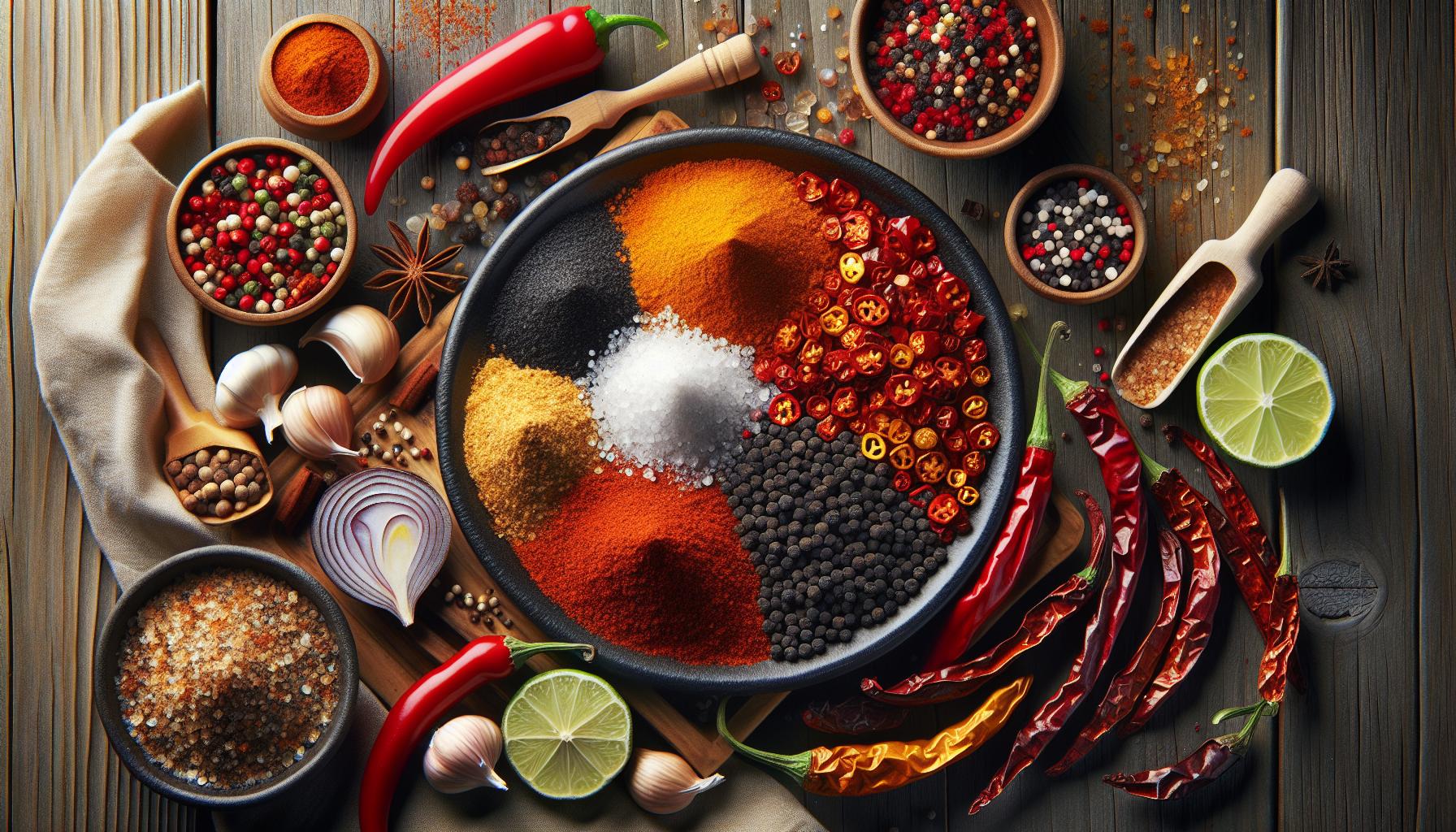
How to Use Smoked Paprika as a Substitute in Your Recipes
Embracing the Smoky flavor: Substituting Smoked Paprika
When you’re in the midst of cooking and discover that you’re out of smoked paprika, there’s no need to fret. this spice is beloved for its rich, smoky flavor that enhances everything from stews to grilled meats. Fortunately,various alternatives can provide a similar taste profile,ensuring your dish remains flavorful and satisfying.
For those seeking a direct substitution, consider using chili ancho powder. This chili offers a warm, mildly sweet flavor that echoes the smokiness of smoked paprika, making it an excellent choice for recipes where a deep, complex flavor is desired. It works particularly well in chili, soups, and marinades. Use it in a 1:1 ratio to replace smoked paprika, but remember that it tends to be less smoky, so consider adding a touch of liquid smoke if you need that authentic smoky essence.
Here are a few more contenders to elevate your culinary creations when you’re short on smoked paprika:
- Cayenne Pepper: If you’re in the mood for heat, cayenne is your go-to.Use half the amount compared to smoked paprika, as it packs quite a punch.
- Chipotle Powder: This brings both smokiness and heat, perfect for spice lovers.Replace smoked paprika with an equal amount for a bolder flavor.
- Sweet Paprika with a Dash of Liquid Smoke: A simple and effective solution, combining sweet paprika with a drop of liquid smoke effectively mimics the taste of smoked paprika.
If you’re keen on understanding the flavor nuances further, refer to this table summarizing each alternative’s characteristics:
| Substitute | flavor Profile | Recommended Ratio |
|---|---|---|
| Chili Ancho Powder | Mild, sweet, smoky | 1:1 |
| Cayenne pepper | Spicy, earthy | 0.5:1 |
| Chipotle Powder | Spicy, smoky | 1:1 |
| Sweet Paprika + Liquid Smoke | Sweet, mild, smoky | 1:1 + a drop of liquid smoke |
Using these substitutes allows you to maintain the depth and flavor of your recipes, ensuring that a lack of smoked paprika doesn’t hinder your culinary adventures. Whether you’re cooking up a storm or experimenting with new dishes, these alternatives keep your options shining and flavorful.
What to Consider When choosing a Chili Powder Replacement
When it comes to finding the perfect chili powder replacement, especially when considering the nuanced flavors of chili ancho powder, understanding the characteristics of the substitutes is crucial. Each option brings a unique flavor profile and heat level,impacting your dish’s final taste. Here’s what to consider when choosing a replacement.
Flavor Profile
Different chili powders can substantially vary in flavor. For instance, if you’re seeking a smoky note akin to chili ancho, you might opt for chipotle chili powder, which offers a similar depth and smokiness. However, it has a more pronounced heat, so adjusting the quantity is essential. Conversely, if you need a milder flavor, paprika can be an excellent choice.
Heat Level
The heat level is another critical factor.Chili ancho powder is known for its mild warmth, so substituting with a hotter alternative like cayenne pepper requires careful measurement. always start with a smaller amount and gradually increase as needed. Here’s a quick reference to decide your spice level:
| Chili Powder Substitute | Heat Level | Flavor Notes |
|---|---|---|
| Chipotle Chili Powder | Medium-High | Smoky & Spicy |
| Cayenne Pepper | High | Pungent & Fiery |
| Paprika | Low | Mild & Sweet |
Dish Compatibility
Consider the dish you’re preparing. Some substitutes work better in certain recipes. As an example, taco seasoning may blend well with beef dishes and tacos due to its mix of spices, whereas using smoked paprika would enhance stews or soups that benefit from a rich, smoky undertone.
Recognizing these factors when selecting a chili powder replacement can definitely help maintain the intended flavor and heat of your recipes, particularly when you’re aiming to replicate the essence of chili ancho powder. Choosing wisely will ensure your culinary creations remain delicious and full of character.
Balancing Heat and Flavor: Using chipotle powder Instead
When looking to enhance dishes with that unmistakable smoky kick, chipotle powder comes into play as a robust alternative, especially when you want to remain mindful of balancing heat and flavor. Chipotle powder,made from dried and smoked jalapeños,delivers a rich,deep flavor profile that can elevate a wide array of recipes,from tacos to stews. Understanding how to utilize chipotle powder effectively allows cooks to achieve a satisfying level of heat without overshadowing other ingredients, making it an intelligent choice for those looking to substitute chili ancho powder.
understanding Chipotle Powder’s Profile
Chipotle powder falls within a spiciness range of approximately 2,500 to 8,000 Scoville heat units, significantly higher than the milder chili ancho powder, which has a rating of about 1,000 to 2,000. As of this marked difference, adjusting the quantity of chipotle powder is crucial when substituting for ancho chili powder to achieve the desired flavor balance. Here are some practical tips to gauge the right amount:
- Start Small: If a recipe calls for a tablespoon of ancho chili powder, begin with half that amount of chipotle powder.
- Taste as You Go: Gradually increase the chipotle powder,tasting the dish at intervals to find the ideal balance of heat.
- Consider the Dish: Dishes with cream or other rich bases can tolerate more heat without overwhelming the palate.
Flavor Enhancement Techniques
Incorporating chipotle powder into recipes not only adds heat but also infuses a unique smokiness. When aiming for that perfect synergy between spice and flavor, consider the following techniques:
- Combine with Other Spices: Mixing chipotle with milder spices like cumin or oregano can effectively mellow the heat and provide a more complex flavor profile.
- Pair with Sweet or Acidic Ingredients: adding ingredients such as honey, lime juice, or vinegar can offset the heat, creating a more harmonious balance.
- Use in Marinades or Sauces: Incorporating chipotle powder into marinades can help replicate the depth of flavor ofen associated with grill marks, enhancing the overall taste of grilled meats and vegetables.
To illustrate the adjustment further, a helpful comparison table outlining the heat levels and suggested usage amounts for chipotle versus ancho chili powders might look like this:
| Type of Powder | Scoville Heat Units | Usage in Recipes |
|---|---|---|
| Chipotle Powder | 2,500 – 8,000 | Begin with half the amount called for ancho powder, adjust to taste |
| Ancho Chili Powder | 1,000 - 2,000 | Use as directed in recipes without adjustment |
By effectively balancing the fiery essence of chipotle with complementary ingredients, cooks can create meals that are both flavorful and not overwhelmingly hot, making it a fantastic substitute in the realm of flavorful, smoky recipes.
Spice Blends to Enhance Your Dishes: Creating Your Own
Unlocking Flavor: The Art of Crafting Your Own Spice Blends
creating your own spice blends can transform your culinary experience, adding depth and complexity to your dishes. One remarkable option is Chili Ancho powder, known for its smoky, mild heat and subtle sweetness, which enhances a variety of recipes. By making your own blends, you not only control the flavor profile but also ensure freshness and the perfect balance of spices tailored to your taste.
To start crafting your spice blends, you can experiment with Chili Ancho Powder as a base. This versatile powder works beautifully in dishes like chili, soups, and marinades. You might find that combining it with ingredients like smoked paprika, cumin, or garlic powder creates a robust flavor that elevates your favorite dishes. Here’s a simple way to create a versatile chili blend:
- 2 tablespoons Chili Ancho Powder
- 1 tablespoon smoked paprika
- 1 teaspoon cumin
- 1 teaspoon garlic powder
- 1 teaspoon onion powder
once you have mixed the spices, store them in an airtight container in a cool, dark place to preserve their potency. It’s advisable to label your blends with the date made, as spices can lose their potency over time, generally after six months, but well-stored blends can last longer.
Experimenting with Flavor Profiles
Don’t hesitate to get creative with your spice blends! Adding unique ingredients can enhance the flavor spectrum and introduce an exciting twist to your cooking.As a notable example, consider incorporating fenugreek seeds for a hint of sweetness or allspice for added warmth.Here’s a table for a more extensive ancho chili spice mix that combines various spices:
| Ingredient | Measurement |
|---|---|
| Dried Ancho Chilis | 2-3 (or more if small) |
| Smoked Paprika | 1 tablespoon |
| Allspice Berries | 1 tablespoon |
| Black Peppercorns | 2 teaspoons |
| Cumin Seeds | 2 teaspoons |
| Onion Powder | 1 teaspoon |
| Salt | 1-2 teaspoons |
Incorporating these spices harmonizes beautifully with Chili Ancho powder, providing a smoking heat that can be adjusted to your liking.
By making your own chili spice blends, you not only adapt to your taste preferences but also discover the joy of experimentation and creativity in the kitchen. Whether you’re kicking up the heat in a stew or adding depth to a grilled dish,these personalized blends can take your cooking to new heights.
Practical Tips for Adjusting Recipes When Substituting Spices
When experimenting in the kitchen, not having a specific spice on hand—like chili ancho powder—shouldn’t deter your culinary creativity. Many cooks underestimate the art of spice substitution, which can lead to delightful discoveries. As a notable example, if you’re in the middle of preparing a stew that calls for chili ancho powder to add that signature smoky heat, don’t fret! There are numerous alternatives that can definitely help you achieve a similar flavor profile while providing a unique twist to your dish.
Understanding Flavor Profiles
the key to successful spice substitution lies in understanding the flavor profiles of the spices you’re using. Chili ancho powder is known for its mild heat and rich, smoky flavor. This means that any substitute should aim to replicate these qualities. Consider spices such as chipotle powder, which offers a smokier tone and slightly more heat, or smoked paprika, which provides smokiness without much heat. You can even create your own blend by mixing cumin and a little cayenne pepper for heat, achieving a similar depth and warmth to your dish.
Practical Substitution Tips
Here’s a practical approach to substituting spices:
- Start Small: When substituting, start with a smaller amount than the recipe indicates.For example, if a recipe calls for 1 teaspoon of chili ancho powder, begin with 1/2 teaspoon of chipotle powder, then adjust according to your taste.
- blend for Complexity: Don’t hesitate to mix two or more spices to emulate the unique flavor of chili ancho powder. A combination of smoked paprika and a hint of cayenne can bring forth that desired smokiness along with a kick of heat.
- Taste as You Go: Regularly taste your dish as you add substitutes. This practice helps you maintain control over the flavor intensity and allows you to adjust according to your preference.
Substitution Reference Table
For quick reference, here’s a simple comparison of possible substitutes for chili ancho powder along with their characteristics:
| Substitute | Flavor Profile | Suggested Amount |
|---|---|---|
| Chipotle Powder | Smoky & Spicy | 1/2 teaspoon for every 1 teaspoon |
| Smoked Paprika | Deep Smoky | 1 teaspoon for every 1 teaspoon |
| Cumin + Cayenne | Warm & Spicy | 1/2 teaspoon cumin + a pinch of cayenne |
| Regular Paprika | Mild & Sweet | 1 teaspoon for every 1 teaspoon |
Embracing the art of substitution not only prevents pantry frustration but also enhances your cooking skills. By understanding the flavor profiles and experimenting with different spices, you can maintain the integrity of your dish while enjoying a new culinary adventure. Whether you’re seeking alternatives for chili ancho powder or any other spice, approach substitutions with a sense of creativity and openness.
Exploring Other Dried Peppers That Add Depth to Your Cooking
Unlocking New Flavors with Diverse Dried Peppers
When it comes to enhancing your culinary creations, exploring a variety of dried peppers can elevate your dishes to new heights. Not all dried chili peppers provide the same flavor or heat, making them invaluable for any cook. While chili ancho powder is famous for its smoky and subtly sweet profile, there are numerous other dried peppers that can contribute unique flavors and enhance your recipes.
- Ancho Peppers: Known for their rich, smoky flavor, dried ancho peppers are actually dried poblano peppers. They bring a mild heat level, ideal for sauces and stews, creating depth without overwhelming your dish.
- Guajillo Peppers: With a slightly sweeter and tangy flavor, guajillo peppers are often used in salsas and marinades. Their vibrant color can also enhance the visual appeal of your dishes while providing a medium heat level.
- Chipotle Peppers: These smoked jalapeños are famous for their robust, spicy flavor. Incorporating chipotle can add a fiery kick and complexity to soups, meats, and even chocolate desserts.
- Arbol Peppers: For those who enjoy intense heat, arbol peppers are a great choice. They are particularly effective in sauces and as a finishing touch to stir-fries, bringing a sharp and crisp heat that complements various cuisines.
Using Dried Peppers Creatively
When working with these dried peppers, consider creating your own chili powders or blends, much like how chili ancho powder can be substituted in recipes. Toasting the peppers before grinding them releases essential oils and enhances their flavor profile. for instance, a homemade blend of guajillo and chipotle can deliver both sweetness and heat, perfect for tacos or enchiladas.
For practical application, you can also try this straightforward method for incorporating dried chili peppers into your cooking:
- Hydrate the Peppers: Soak selected dried peppers in warm water for about 20-30 minutes. This softens them and helps release their flavors.
- Blend into Pastes: After hydrating,blend the peppers with garlic,onions,and spices to create flavorful marinades or sauces.
- Incorporate into Dishes: Use these pastes in soups, stews, or as a base for sauces to add layers of flavor.
Exploring various types of dried peppers beyond chili ancho powder not only diversifies your cooking palette but also allows you to tailor the heat and flavor profiles to suit your personal taste. Whether you aim for smokiness, sweetness, or spiciness, the right selection of dried peppers can make all the difference in your culinary creations.
pairing Substitutes with Common Ingredients for Maximum Impact
Maximize Flavor with the Right Pairings
When it comes to enhancing dishes that call for chili ancho powder, understanding how to pair substitutes with common ingredients can elevate your cooking to new heights. as an example, if you’re using guajillo chili powder as a substitute, consider combining it with tomatoes, garlic, and cumin to complement its sweet and mild flavor. This combination works wonders in sauces and marinades, creating a rich flavor base that mirrors the original chili’s complexity.
flavors That Bond
Experimenting with flavor profiles is key to achieving your desired taste. Here are some excellent pairings:
- Guajillo Chili Powder: Mix with red bell peppers and onions for a fresh salsa.
- Red Chili Powder: Blend with cocoa powder to add depth to chili recipes.
- Poblano Powder: Pair with creamy sauces or avocado to balance its earthiness.
Culinary Combinations for Enriching Dishes
Utilizing substitutes effectively requires a keen understanding of the ingredients at hand. As a notable example, if you’re opting for smoked paprika as a replacement, combining it with cumin and coriander can enhance its smokiness while adding a warm, earthy foundation. This blend shines in soups, stews, and grilled meats, providing a hearty flavor reminiscent of traditional preparations using chili ancho powder.
To illustrate the impact of these combinations, consider the following table, where various substitutes are matched with ideal ingredients:
| Substitute | Ideal Pairing | Dish Type |
|---|---|---|
| Guajillo Chili Powder | Tomatoes, Garlic | Enchiladas, Salsas |
| Red Chili powder | cocoa powder, Beef | Chili Con Carne |
| Smoked Paprika | Cumin, Coriander | Soups, Grilled Meats |
| Poblano Powder | Avocado, Cream | Salads, Sauces |
By thoughtfully experimenting with these pairings, you can achieve bold, flavorful results in your dishes—making the transition from chili ancho powder to its substitutes not just a necessary adjustment, but a culinary adventure.
Step-by-Step Guide: Crafting a Smoky Chili Powder Blend at Home
Crafting your own smoky chili powder blend at home not only allows you to customize flavors to suit your palate but can also elevate your dishes with rich, smoky undertones. Combining different types of peppers and spices can create a unique blend that rivals store-bought options, and the process is surprisingly simple.
Ingredients You’ll Need
A well-balanced smoky chili powder typically features a variety of chili peppers that contribute to both flavor and heat. Here’s a basic list of ingredients you might include in your blend:
- Ancho Chili Peppers: Milder and sweet, these provide a rich, fruity flavor.
- Chipotle Peppers: Smoked jalapeños that add both heat and a deep smokiness.
- Cayenne Pepper: For those who desire a bit more heat, cayenne peppers are a great addition.
- Smoked Paprika: Adds an additional layer of smokiness without much heat.
- garlic Powder and Onion Powder: For depth of flavor.
- Cumin: Offers warmth and earthiness that complements the other spices.
Steps to Create Your Smoky Chili Powder
- Select Your Peppers: Decide on the ratios of the peppers based on your desired flavor profile. Using all ancho peppers for a milder blend or a mix of chipotle and cayenne for a medium to hot offering can create a delightful result.
- Prepare Your Ingredients: If you’re using dried peppers, they may need to be toasted lightly in a dry skillet to enhance their flavors. This step is optional but recommended for maximum flavor extraction.
- Blend: Once your ingredients are ready, combine them in a spice grinder or blender. Start with equal parts ancho and chipotle for a balanced smoky flavor and then adjust according to your taste.
- Store: Transfer your freshly blended chili powder into an airtight container and store it in a cool, dark place to maintain its potency.
Flavor Customization
Feel free to experiment with the heat level and flavor by mixing different ratios. If you prefer a sweeter profile, add more ancho or a touch of brown sugar to balance the heat from the chipotle and cayenne.
| Type of Pepper | Flavor Profile | Heat Level |
|---|---|---|
| Ancho | Sweet, rich | Mild |
| Chipotle | Smoky, spicy | Medium |
| Cayenne | Hot, sharp | Hot |
| Smoked Paprika | Sweet, smoky | Mild |
By taking these steps, you can craft a smoky chili powder blend that’s tailored just for you, perfect for enhancing a variety of dishes from stews to marinades. The art of creating your own blend is a delightful culinary adventure that gives a personal touch to your cooking.
Frequently Asked Questions
What is Ancho Chili Powder and What Makes It Unique?
Ancho chili powder is a popular spice made from dried, ground poblano peppers. It typically has a mild heat level, ranging from 1,000 to 1,500 Scoville Heat Units (SHU), making it accessible for most palates. One of the defining characteristics of ancho chili powder is its sweet, fruity flavor with smoky undertones, which adds depth to a variety of dishes. It is commonly used in sauces, marinades, and traditional Mexican dishes, such as mole and enchiladas.
The unique flavor profile of ancho chili powder comes from the way the peppers are dried. The drying process enhances their sweetness while also imparting a subtle smokiness. This makes it an excellent choice for recipes that require a robust yet not overly spicy flavor. Its versatility also allows it to pair well with ingredients such as chocolate, tomatoes, and nuts, further enriching both savory and sweet dishes.
What Are the Best Substitutes for Ancho Chili Powder?
If you find yourself without ancho chili powder, there are several effective substitutes that can provide similar flavors and heat levels.Here are some of the best options:
- Chipotle Powder: Known for its smoky flavor, chipotle powder adds more heat (up to 8,000 SHU) but can replace ancho powder at a 1:1 ratio. Its intensity makes it ideal for bold recipes.
- Guajillo Chili Powder: Slightly hotter than ancho (around 3,750 SHU), guajillo offers a tangy, sharp taste that works well in salsas and soups. Use it at a 1:1 ratio for a comparable substitute.
- Bell Pepper powder: For a milder alternative that still adds a touch of sweetness, bell pepper powder can be used, albeit with a less complex flavor profile.
While these substitutes provide varying degrees of heat and flavor, choosing the right one depends on the specific dish and your personal taste preferences. experimenting with these options can lead to exciting culinary discoveries.
How Do You Adjust Heat Levels When Substituting for Ancho Chili Powder?
When substituting for ancho chili powder, it’s crucial to consider the heat levels of your replacement. Ancho chili powder offers mild heat; thus, a direct swap with a hotter chili, such as chipotle powder, could result in an overly spicy dish.Here are steps to adjust the heat accordingly:
- Start Small: Begin with a smaller amount of the substitute—about half of what the recipe calls for—and gradually increase it until you reach the desired flavor.
- Add Bulk Ingredients: If the substitute is too spicy, consider adding more ingredients (like tomatoes or beans) to balance the heat in the dish. This practice not only tempers spiciness but can also enhance the overall flavor.
- Dilution Method: if using a concentrated spice, you can mix it with neutral ingredients like yogurt or sour cream to create a milder seasoning blend that complements your dish.
This careful approach helps retain the intended taste while ensuring that your meal dose not become overly hot.
Can You Use Fresh Peppers Instead of Ancho Chili Powder?
Yes, you can use fresh poblano peppers as a substitute for ancho chili powder, especially if you want to capture the fresh pepper’s unique sweet and smoky flavors. Here’s how to effectively make this substitution:
- Roast the Peppers: Start by roasting fresh poblano peppers until the skins are charred. This process enhances their smoky flavor. Once cooled,peel off the skins and chop the peppers.
- Use in Cooking: For every tablespoon of ancho chili powder, use about 1 to 2 tablespoons of roasted, chopped poblano. Fresh peppers will impart moisture, so you may need to adjust other wet ingredients in your recipe accordingly.
- Consider Cooking Techniques: Ensure the peppers are thoroughly incorporated during cooking to release their flavors. They can be added to sauces, stews, or blended into marinades for optimal results.
Using fresh peppers may alter the texture and moisture content of your dish, but it can add delightful freshness and complexity.
How Do Ancho Chili Powder Substitutes Affect Overall Flavor in Dishes?
The choice of ancho chili powder substitutes can significantly influence the overall flavor profile of your dishes. Each substitute brings its unique taste and heat level, potentially changing the intended outcome. Here’s how:
- Flavor Complexity: Chipotle powder lends a stronger smoky flavor and higher heat, which can overwhelm milder dishes. In contrast, guajillo contributes a more pronounced tang, giving a different edge to sauces and soups.
- Balancing Act: When replacing ancho powder, think about the balance between sweetness, heat, and other spices. As a notable example, if you substitute with a hotter chili, it can overshadow sweet ingredients like chocolate; balancing out with a bit of sugar or honey can counteract this.
- Cooking Techniques: Different substitutes may require adjustments in cooking times or techniques. Chipotle powder, being more robust, may need shorter cooking times to prevent its flavor from becoming too pronounced.
Taste testing during the cooking process is essential as it allows you to modify your recipe to ensure your dishes achieve the desired flavor harmony.
What Should You Avoid When Substituting for ancho Chili Powder?
While experimenting with substitutes for ancho chili powder, it’s vital to avoid certain common pitfalls that can lead to disappointing results. Here are some key considerations:
- Ignoring Flavor Profiles: Some substitutes may not carry the same sweet and fruity characteristics as ancho chili powder.Avoid using chilis that are too acidic or bitter,as they can disrupt the dish’s intended flavor balance.
- Choosing Substitutes with Extreme Heat: While it’s tempting to replace ancho with a hotter chili, such as cayenne, this can drastically change the dish’s personality, making it overly spicy. Always start with milder options and adjust as necessary.
- Neglecting Texture Differences: Some substitutes may alter the texture of a dish more than others. As a notable example, using a fresh chili rather of powder contributes moisture that might not be accounted for in the recipe. Adjust liquids accordingly.
By being mindful of these factors, you can ensure that your substitutes enhance your recipes rather than detract from them, achieving the smoky heat you desire without compromising on taste.
Future Outlook
Conclusion: Discovering the Best Substitutes for Chili Ancho Powder
if you find yourself without chili ancho powder, you have several excellent substitutes to enhance your recipes with that desired smoky heat. Here’s a recap of your options:
Top Substitutes for Chili Ancho Powder
- Chipotle Powder: Offers a deeper smoky flavor.
- Guajillo Powder: Slightly sweeter, with a moderate heat level.
- Poblano Peppers: Fresh or dried, ideal for a milder spice.
- Paprika: A good source of smokiness, particularly smoked paprika.
Quick Tips for Use
- Dosage Adjustment: Start with half the amount of your chosen substitute and adjust to taste, as some alternatives can be spicier than ancho.
- Complementing Flavors: Pair your substitute with ingredients like garlic or cumin to maintain the depth of flavor typical of dishes that originally called for ancho.
Next Steps
- Experiment in Your Kitchen: Try integrating these substitutes in popular dishes like enchiladas, tacos, or chili. You’ll be surprised at how they can transform your meals.
- Share Your Experience: Engage with fellow food enthusiasts by sharing your favorite substitutes or recipes that adapted well with these alternatives.
By exploring these substitutes, you can confidently keep the smoky flavor of your dishes alive, even when you don’t have chili ancho powder on hand. Happy cooking!


