

Looking for a tangy burst of flavor without pomegranate seeds? Whether you’re facing a last-minute recipe change or dietary restrictions, finding the right substitute can elevate yoru dishes beautifully. This guide explores delicious alternatives that mimic the sweet-tart essence of pomegranate, ensuring your salads and desserts remain colorful and mouthwatering.
Understanding the Unique Flavor Profile of Pomegranate Seeds
Pomegranate seeds are more then just a vibrant addition to your dish; they represent a unique flavor experience that balances sweet,tart,and tangy notes perfectly. When biting into these jewel-like seeds, you can expect a burst of juicy flavor that makes them a favored ingredient in many culinary creations. The flavor profile of pomegranate seeds can vary depending greatly on their variety and ripeness, contributing to their allure in both savory and sweet recipes.
The Sweet and Tangy Balance
the primary taste sensation from pomegranate seeds is a delightful combination of sweetness and tartness. This complex flavor can remind one of ripe berries with a distinctive edge. The degree of sweetness often mirrors that of cherries and other fruits, while the tartness can evoke the bright, zesty kick found in citrus fruits.It’s this duality that allows pomegranate seeds to shine in a variety of culinary applications, from salads to desserts.
- Sweet notes: Ripe seeds tend to lend a juicy sweetness that enhances dishes.
- Tart undertones: Slightly under-ripe seeds provide a sharper tang that can elevate flavor contrasts.
- Bursting juiciness: Each seed releases a refreshing juice that can brighten up any meal.
Variability by Variety
Different varieties of pomegranates yield seeds with subtly different flavor profiles. As an example, some may lean more towards sweetness, while others exhibit a stronger tang. Factors such as ripeness and growing conditions further influence the overall flavor experience.This variability is crucial when considering substitutes for pomegranate seeds in recipes as it directly impacts the intended taste and balance of the dish.
In your quest for pomegranate seed alternatives—those tangy replacements that shine—consider the characteristics you want to replicate. Whether you’re looking to mimic the sweetness, the tartness, or the textural crunch, understanding the nuance of pomegranate seeds will help you find the perfect substitute. Utilizing fruits like cranberries or even citrus segments might not perfectly replicate the pomegranate’s flavor but can offer similar qualities that enhance your culinary masterpieces.
| Substitute | Flavor profile | Ideal Use |
|---|---|---|
| Cranberries | Tart and slightly sweet | Salads, sauces |
| Cherries | Sweet with a hint of tartness | Desserts, fruit salads |
| Citrus Segments | Bright and zesty | Salads, salsas |
appreciating the exquisite flavor profile of pomegranate seeds can considerably help in selecting substitutes that add tang and vibrancy to your meals. Whether you’re crafting a salad or a dessert, keeping the essence of pomegranate’s sweet and sour balance in mind will guide you to flavors that evoke the same delightful experience.
Top 5 Tangy Alternatives for Pomegranate Seeds in Salads
When looking to elevate your salads with a burst of flavor, the tanginess of pomegranate seeds is hard to beat. However, if you find yourself without these jewel-like gems, fear not! There are several tantalizing alternatives that can provide a similar zest, ensuring your salads remain vibrant and delicious. Here are some of the top tangy replacements for pomegranate seeds that shine in salads:
Top 5 Tangy Alternatives
- Dried Cranberries: These chewy, sweet-tart morsels offer a delightful contrast to leafy greens. their deep red hue also adds visual appeal, making your salad as inviting as it is tasty.
- Pineapple Chunks: Fresh pineapple brings a tropical twist to your dish. Its juicy texture and tangy sweetness play beautifully with savory ingredients, making it a fantastic substitute.
- Green Apple Slices: Thinly sliced green apples introduce a crisp texture and a tart flavor profile that can brighten up any salad. Pair them with nuts for an added crunch.
- Cherry tomatoes: These small, round beauties have a mildly tangy taste that can mimic the freshness of pomegranate seeds. Halve them and toss them into your mix for a pop of color and flavor.
- Dried Currants: Much like dried cranberries but smaller and more concentrated in flavor, dried currants provide a tangy crunch that works well in both green salads and grain-based dishes.
for optimal results, consider using these substitutes proportionally based on the flavor intensity you desire.For example,if you’re opting for dried cranberries,start with a similar volume to what you would use for pomegranate seeds and adjust according to your taste preference. This approach will allow you to explore the diverse flavor profiles these alternatives offer, ensuring your salads remain not just a meal but a delightful experience.
while searching for a substitute for pomegranate seeds might seem daunting, these tangy replacements can not only fill the gap but also elevate your salad game to new heights.
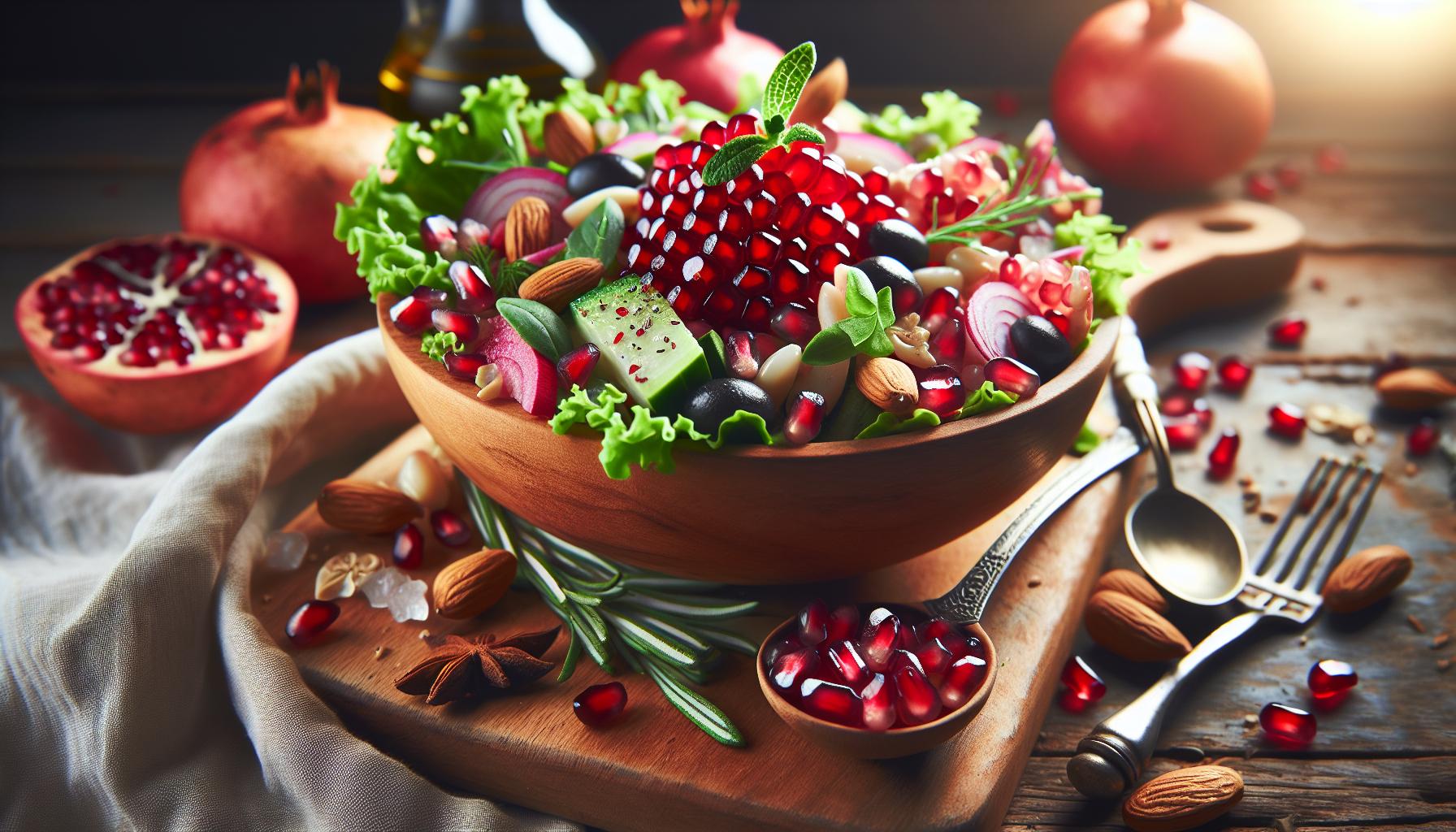
How Citrus Fruits Can Add Zest in Place of Pomegranate Seeds
Brighten Dishes with Citrus Fruits
Citrus fruits are not just a delicious addition to your diet but also offer an extraordinary array of flavors and textures that can beautifully replace the tangy burst of pomegranate seeds in various dishes.Whether you’re tossing a salad, preparing a festive dessert, or crafting a refreshing beverage, citrus can elevate your culinary creations. The zestiness of oranges, grapefruits, lemons, and limes can provide that much-needed pop to your meals, making them exciting and vibrant.
- Oranges: Sweet, juicy orange segments can add a delightful contrast to salads and salsas, mimicking the juicy texture of pomegranate seeds.Their natural sweetness also enhances desserts, whether used fresh or in jellies.
- Grapefruit: The tangy notes of grapefruit bring a tartness that can substitute effectively for pomegranates, especially in savory dishes. Consider using pink or ruby red varieties for a stunning visual appeal.
- Lemons and Limes: Zest or juice from these fruits can amplify flavors and add acidity, making them ideal for dressings.Pairing lemon-infused dressings with salads can replicate the refreshing quality pomegranate seeds contribute.
Practical Applications in Recipes
in your quest for tangy replacements, consider a few practical applications of citrus fruits. For instance, in salads that call for pomegranate seeds, try using a mix of citrus segments to create a colorful and vibrant dish. combine blood orange slices with creamy avocado and a splash of lime juice for a refreshing salad that offers both color and flavor.
Another idea is to incorporate citrus juices into marinades or dressings. A bright lemon or lime vinaigrette can transform an ordinary dish into a gourmet experience.For a unique twist, experiment with pairs of various citrus fruits to keep your dishes exciting and well-rounded.
| Citrus Fruit | Flavor Profile | Best Uses |
|---|---|---|
| Orange | Sweet and Juicy | Salads, Desserts |
| Grapefruit | Tangy and Bitter | Savory Dishes, Cocktails |
| Lemon | Tart and Bright | Dressings, Marinades |
| Lime | Sharp and Zesty | Drinks, Salsas |
citrus fruits are stellar alternatives when looking for substitutes for pomegranate seeds, offering both zest and color to various dishes. Their versatility means they can be used in countless ways, allowing you to create vibrant meals that shine with flavor. So next time you’re ready to whip up a dish,consider reaching for those bright,zesty citrus fruits to add a spark of delight.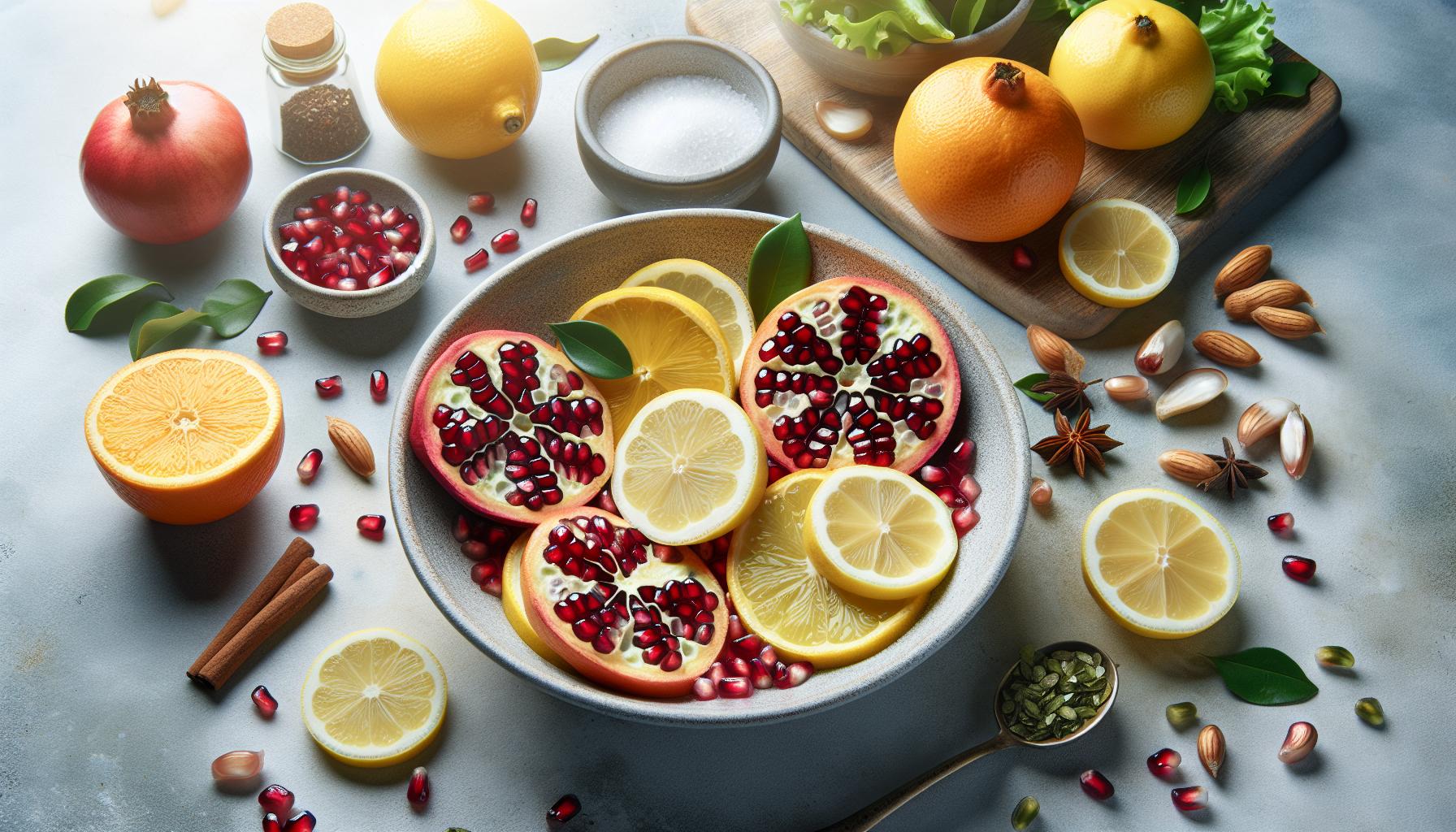
Utilizing Dried Fruits: Surprising Substitutes for Pomegranate Seeds
Unleashing the Flavor of Dried fruits
dried fruits can be game-changing when looking for a substitute for pomegranate seeds. Not only do they bring a delightful sweetness and chewiness, but they also retain that essential tangy flavor profile that pomegranate enthusiasts adore. Whether you’re preparing a salad, a dessert, or a savory dish, swapping in dried fruits for fresh pomegranate seeds can elevate your recipe to new heights.
One of the most suitable dried substitutes is dried cranberries. When you use them in a 1:1 ratio, their tart and sweet flavor closely mimics that of fresh pomegranate seeds, offering a similar pop of color and texture. not only are they versatile for salads and snack mixes, but they also add a pleasant chewiness that enhances many dishes [2[2[2[2].
Another excellent choice is dried cherries. These have a rich flavor and a bit more sweetness compared to pomegranate seeds, making them ideal for desserts or even as a garnish on savory dishes. When you incorporate dried cherries, consider reducing the overall sugar content in your recipe to balance the added sweetness.
Additionally, consider adding dried figs or dates to your culinary creations.Their unique textures and robust flavors can bring an unexpected twist to any dish. When using these dried fruits, chop them finely to better resemble the small size and texture of pomegranate seeds:
| Substitute | Taste Profile | Best used In |
|---|---|---|
| Dried Cranberries | Tart and sweet | Salads, sauces |
| Dried Cherries | Rich and sweet | Desserts, savory dishes |
| Dried Figs | Sweet and earthy | Sweet and savory pairings |
| Dried Dates | Very sweet, caramel-like | Baking, smoothies |
Embracing dried fruits as a substitute for pomegranate seeds not only offers a solution when fresh pomegranates are out of season but also introduces a range of flavors and textures that may surprise and delight your palate.Whether you are creating a vibrant salad or a rich dessert, these dried fruits can shine in unexpected ways, proving that they are indeed worthy allies in your culinary repertoire.
Fresh Berries: Sweet and Tart Replacements Worth Trying
Exploring the Sweet and tart Realm of Fresh Berries
Fresh berries offer a delightful burst of flavor that can easily replace pomegranate seeds in your favorite dishes. Each type of berry carries its unique balance of sweetness and tartness, making them an ideal candidate when you’re in search of alternatives that not only match the taste but also bring a vibrant pop of color to your plate. Whether sprinkled over a salad, stirred into yogurt, or used in desserts, berries can elevate your culinary creations.Raspberries, in particular, are a standout choice that echoes the tartness of pomegranate. With their bright red hue and juicy texture, they seamlessly mimic both the aesthetic and flavor profile of pomegranate seeds. The zingy, fruity flavor pairs exceptionally well with a variety of dishes, from savory salads to sweet treats. When incorporating raspberries, you can use them in a 1:1 ratio to replace pomegranate seeds, imparting that same burst of freshness you crave.
- Blueberries – These little gems are slightly sweeter than pomegranates but still carry a pleasing tartness, making them a delicious alternative in desserts and breakfast recipes.
- Cranberries - For those who enjoy a sharper taste, fresh cranberries can be a perfect substitute. Their tangy flavor adds depth to salads or can be blended into sauces.
- Blackberries – These larger berries are not only sweet but also have a splendid juiciness, offering a succulent bite that can enhance both salads and baked goods.
A Quick Comparison of Berries
| Berry | Flavor Profile | Best Uses |
|---|---|---|
| Raspberries | Zingy and tart | Salads, desserts, sauces |
| Blueberries | Sweet with a hint of tartness | breakfast bowls, muffins, salads |
| Cranberries | Sharp and tangy | Sauces, salads, baking |
| Blackberries | Sweet and juicy | salads, desserts, jams |
Utilizing fresh berries as a substitute for pomegranate seeds not only enriches your dishes with vibrant flavors but also enhances their visual appeal. experiment with various combinations to discover which berry best complements your meals while still providing the desired tangy notes that make dishes sing. Whether for a casual weekday meal or an elegant gathering, these berry substitutes are sure to shine.
Creative Ways to Incorporate Pomegranate Seed Substitutes in Cooking
Incorporating substitutes for pomegranate seeds can elevate your cooking and add a delightful whirl of flavor and texture. As you experiment with these replacements, you’ll discover that many fruits and ingredients not only mimic the juicy bursts of pomegranate but also bring their own unique charm to dishes.
Fruits That Shine as Alternatives
Raspberries stand out as one of the top picks for substituting pomegranate seeds. Their sweet-tart flavor and similar color make them an excellent choice for salads, yogurts, and desserts. Consider using them in a refreshing salad with mixed greens and feta cheese. You can also create a raspberry vinaigrette to drizzle over the top, enhancing the overall dish.
- Cranberries: Fresh or dried, cranberries are great in cereals, granola, and baked goods. They pack a tangy punch similar to pomegranates and are perfect for holiday dishes.
- Blueberries: These are sweet yet slightly tart, making them a versatile choice for both savory and sweet recipes.
- Cherries: Fresh cherries can replace pomegranate seeds in glazes or sauces, offering a rich color and robust flavor.
Exploring Other Creative Substitutes
While fruits are an obvious substitute, consider less conventional options like toasted nuts or seeds, which can add a satisfying crunch.For example, sunflower seeds or pumpkin seeds can replace pomegranate seeds in salads, providing a delightful contrast to the other ingredients.
Table of Substitutes
| Substitute | Flavor Profile | Best Use cases |
|---|---|---|
| Raspberries | Sweet-tart | Salads, desserts |
| Cranberries | Tangy | Cereals, baked goods |
| Blueberries | Sweet-tart | Sauces, smoothies |
| Toasted nuts | Rich, nutty | Salads, toppings |
With these replacements, you not only mimic the essence of pomegranate seeds but also create exciting new flavor profiles in your dishes. whether for their aesthetics or taste, these substitutes are sure to shine in your culinary ventures!
Balancing Texture and Flavor: Choosing the Right Substitute
When it comes to enhancing dishes, choosing the right substitute for pomegranate seeds can make all the difference. Pomegranate seeds deliver a delightful combination of sweet and tart flavors, alongside a unique crunch that elevates both savory and sweet recipes. However, when these vibrant seeds are not available, several alternatives can provide a similar experience if selected thoughtfully.
Understanding Flavor Profiles
To achieve that characteristic sweet-tart balance, consider using fresh fruits like cranberries or kiwi, which offer a tangy taste with a burst of juiciness. For a drier texture while maintaining some of the zing, dried cranberries or dried cherries can be substituted, even though their sweetness will be more pronounced. If a touch of tartness is crucial, fresh citrus fruits like oranges or clementines can complement your dish beautifully, especially in salads and desserts.
Texture Considerations
Texture plays a vital role in our overall eating experience. If you’re seeking a crunchy component akin to pomegranate seeds, you might turn to chopped nuts such as pistachios or walnuts, which not only add a satisfying crunch but also provide healthy fats. Alternatively, seed options like sunflower or pumpkin seeds add similar textural elements while boosting nutritional value.
For those focused more on the juiciness rather than crunch, consider using pomegranate juice as a direct flavor substitute in dressings or sauces. This works especially well in liquid-heavy dishes or beverages where liquid texture matters more than that of solid ingredients.
| Substitute | flavor Profile | Texture | Suggested Use |
|---|---|---|---|
| Dried Cranberries | Sweet-Tart | Chewy | Salads, Desserts |
| Cranberries (Fresh) | More Tart | Crisp | Salads, Sauces |
| Nuts (Pistachios) | Nutty | Crisp | Garnishing, Salads |
| Pomegranate Juice | Sweet-Tart | Liquid | Dressing, Marinade |
By carefully selecting substitutes that match both flavor and texture, you can create dishes that not only retain the essence of pomegranate seeds but also shine with their unique replacements. Whether it’s brightening up a salad or adding a zing to your desserts, the right alternative can enhance the culinary experience in delightful ways.
Experimenting with Sauces and Dressings to Mimic Pomegranate Flair
Unleashing the Versatility of Tangy Sauces
Imagine taking your culinary creations from ordinary to remarkable with just a splash of sauce! When it comes to replacing the distinctive tartness and vibrant color of pomegranate seeds, sauces and dressings can work wonders. They not only add a burst of flavor but also enhance the visual appeal of any dish. The key is to experiment with ingredients that encapsulate that sweet-tangy punch and can emulate the flair of pomegranate.
To craft sauces that shine with flavor reminiscent of pomegranates, consider using a base of fruit or vinegar combined with complementary ingredients. Here are some flavorful substitutes:
- Balsamic Reduction: A luscious drizzle can bring an ideal tanginess and sweetness that echoes pomegranate.Simply reduce balsamic vinegar over low heat until thickened.
- Cranberry Sauce: Use this as a dressing or sauce base for a vibrant,fruity alternative that maintains the desired tartness.
- Sumac Dressing: With its tangy lemon-like flavor, sumac can add a unique zesty touch. Combine it with olive oil for a simple, bright dressing.
Crafting Your Sauce
When creating your sauce,the balance of flavors is essential.Start with a basic recipe and adjust to taste. Below is a quick recipe to inspire your creativity:
| Ingredient | amount |
|---|---|
| Balsamic Vinegar | 1 cup |
| Honey or Maple Syrup | 2 tablespoons |
| Olive Oil | 1/4 cup |
| Sumac or Lemon Juice | 1 tablespoon |
| Salt and Pepper | to taste |
Mix these ingredients together, adjusting sweetness or acidity to suit your palate. drizzle over salads, grilled vegetables, or even meat dishes to mimic that pomegranate flair.
Experimentation is the essence of culinary creativity.Don’t hesitate to combine various elements from your kitchen to discover new and exciting flavors that serve as a substitute for pomegranate seeds while reflecting their signature essence in every bite!
Tips for Pairing Substitutes with Different Cuisines
When seeking alternatives to pomegranate seeds in various cuisines, it’s essential to consider not only flavor but also texture and nutritional value. This ensures that your dish maintains its intended character while accommodating necessary substitutions. Pomegranate seeds add a unique tanginess and crunchy texture, so selecting substitutes that complement these qualities will create a satisfying culinary experience.
Combining Flavors and Textures
To seamlessly integrate substitutes into your dishes, pair them with ingredients that harmonize well in flavor and texture. Here are a few substitutes to consider based on different cuisines:
| Cuisine | Suggested Substitute | Flavor Profile |
|---|---|---|
| Mediterranean | Chopped green apples | Sweet-tart with crunch |
| Middle Eastern | Sumac | Tangy and citrusy |
| Western | Cranberries | Sweet and slightly tart |
| Asian | Mandarin slices | Sweet with a hint of tartness |
Creative Pairing Tips
When using these substitutes, aim to enhance the dish with complementary elements. such as:
- Chopped green apples can be used in salads with feta cheese and walnuts for a refreshing crunch.
- Sumac works beautifully as a seasoning for roasted vegetables, adding depth and acidity.
- Cranberries can elevate holiday dishes, like stuffing or sauces, by providing a bright contrast.
- Mandarin slices contribute sweetness and acidity to stir-fried dishes or salads, making them vibrant and appealing.
Each of these substitutes not only fills in for pomegranate seeds but also enhances the dish with its own characteristics. Ultimately, understanding the role of pomegranate seeds in your specific recipe will guide you in selecting the best alternative that shines in flavor and texture.
Enhancing Your Dishes: Presentation Ideas for Your Tangy Replacements
Certainly! Here’s the content for the section titled ”:
Transforming Your Presentation with Vibrant Alternatives
When showcasing dishes that utilize tangy replacements for pomegranate seeds, presentation plays a crucial role in enticing your guests. Visual appeal not only enhances the dining experience but also highlights the freshness and vibrancy of your ingredients. think about the colors and textures of your tangy substitutes,such as citrus segments,chopped fresh herbs,or even colorful edible flowers. Incorporating a variety of shapes and sizes can create an enticing plate that invites exploration.
- Citrus Segments: Use knife techniques to create beautiful segmented pieces of oranges or grapefruits and arrange them artistically on your dish.
- Herb Sprinkles: A fine chop of fresh mint or cilantro can add a burst of green that contrasts beautifully against the backdrop of your main dish.
- Edible Flowers: Consider adding edible flowers like nasturtiums or pansies for a pop of color that also brings a unique flavor due to their peppery or sweet notes.
Serving Style and composition
The way you serve your tangy replacements can also greatly affect presentation. For example, using layering techniques can provide depth to your dish. in a parfait glass, layer yogurt, granola, and your tangy substitutes to create visually stunning stripes of color and texture. This not only highlights the flavors of your replacements but also engages the diners’ curiosity.
Another effective way to present these substitutes is through the use of rustic serving boards or slate tiles,which can enhance the natural aesthetics of your food.A contrasting backdrop helps to emphasize the vibrant hues of your tangy replacements, drawing attention exactly where you want it. Remember, the goal is to create dishes that not only taste amazing but are equally delightful to behold.
| Replacement | Presentation Tips |
|---|---|
| Citrus Segments | Arrange artfully with overlapping segments for a sunburst effect. |
| Chopped Herbs | Sprinkle delicately over the dish for color and freshness. |
| Edible Flowers | Place strategically to create focal points on the dish. |
By exploring these creative presentation ideas,you can elevate your dishes featuring substitutes for pomegranate seeds,making them not only a feast for the palate but also a visual party.
Frequently Asked Questions
What are some of the best substitutes for pomegranate seeds?
When looking for pomegranate seed substitutes, you’ll find several fruits that can bring similar flavors and textures to your dishes.Raspberries are often recommended due to their tangy and fruity taste that mirrors that of pomegranate seeds. Their vibrant red color also adds visual appeal to salads and desserts, making them an aesthetically pleasing option.
another excellent substitute would be dried cranberries. They offer a sweet-tart flavor similar to pomegranates, and their chewy texture can provide a delightful contrast in recipes. Moreover, their long shelf life makes them a convenient pantry staple. If you’re aiming for a juicy texture, consider using grape halves or even chopped cherries, as they can fill in the gap left by pomegranate seeds effectively.
Can I use pomegranate syrup as a substitute?
Absolutely! Pomegranate syrup is made from the juice of pomegranates and captures the fruit’s sweet and tart essence. It’s an ideal option when you’re looking to replace the seeds in sauces or marinades where liquid components are involved. The syrup can enhance both flavor and color, providing a deeper hue to your dish comparable to fresh seeds.
When using pomegranate syrup,consider the sweetness level of your overall dish. It’s wise to start with smaller amounts, tasting as you go, to prevent overpowering the other flavors.A general ratio could be one tablespoon of syrup for every quarter cup of pomegranate seeds called for in the recipe.
How do I use fresh alternative fruits in salads?
When substituting fresh fruits for pomegranate seeds in salads, you’ll want to focus on flavor and texture contrasts. Chopped apples or pears can be delightful substitutes, providing crunchiness and a hint of sweetness. Raspberries and blueberries also work well; they can complement the greens and proteins in your salad while adding vibrant colors.
To implement, simply:
- Core and chop apples or pears into bite-sized pieces.
- Toss them into the salad along with other ingredients like nuts, cheese, or vinaigrettes.
- For berries, add them whole or halved to maintain their shape and freshness.
Experiment with combinations to discover which flavors resonate best with you.
Are there specific dried fruits that work well as substitutes?
Yes, several dried fruits can serve as excellent substitutes for pomegranate seeds. Dried apricots, when chopped into smaller pieces, provide a chewy texture and a unique sweetness that balances out your dish. They are less tangy than pomegranate seeds but can add a nice depth of flavor.
Additionally, raisins or dried figs can be used depending on the recipe. Their distinct sweetness can transform a dish while delivering that coveted chewy bite similar to pomegranate seeds. Use a simple ratio of 1:1 when substituting dried fruits for fresh pomegranate seeds, keeping in mind the overall flavor balance.
Can I mix different substitutes for a more complex flavor?
Certainly! Mixing various substitutes can create a more dynamic flavor profile in your dish. for example, combining raspberries and dried cranberries can add both a fresh burst of flavor and a chewy texture that mirrors the qualities of pomegranate seeds. Additionally, adding a touch of citrus zest—like lemon or lime—can amplify the tanginess and brightness in your recipe.
To mix substitutes effectively,try this approach:
- Decide on 1-2 fresh fruits (e.g., raspberries and blueberries) and 1 dried fruit (e.g., dried cranberries).
- In a salad, gently toss them together along with greens, proteins, and dressings to integrate their flavors.
- Taste and adjust by adding more of one substitute or an acid like vinegar to achieve the desired balance.
What are the nutritional benefits of using substitutes?
Using various substitutes not only enhances flavor but can also offer unique nutritional benefits. As an example, raspberries are low in calories but high in fiber and vitamin C, making them a healthful choice. Similarly, dried cranberries are a source of antioxidants and can contribute to heart health, although they do have added sugars to watch out for.
When substituting, consider the nutritional profile of each option:
- Raspberries: High in dietary fiber and vitamins, excellent for digestion.
- Dried apricots: Rich in iron and potassium, promoting overall health.
- Pomegranate syrup: While still beneficial, it’s more calorie-dense than fresh substitutes, so moderation is key.
By varying your substitutes, you’ll not only keep your dishes captivating but also boost their nutritional value.
The Best Substitute for Pomegranate Seeds: Crunchy, Sweet-Tart Swaps for Salads and Desserts
Pomegranate seeds (arils) bring two essential qualities to savory and sweet recipes: a sharp, refreshing burst of acidity and an attractive ruby-red crunch. Selecting an ideal substitute for pomegranate seeds depends on whether your dish emphasizes textural pop, visual presentation, or tangy fruit notes.
| Pomegranate Seed Alternative | Texture & Crunch Level | Sweetness vs Tart Acidity | Best Culinary Application (1:1 Ratio) |
|---|---|---|---|
| Fresh Red Currants | Firm, small berry; juicy burst | High tartness, clean acidic pop (closest visual match) | Tabbouleh, hummus garnish, festive cakes |
| Rehydrated Dried Cranberries | Chewy; plump when soaked in citrus water | Tangy-sweet; concentrated fruit flavor | Couscous salads, grain bowls, roasted squash |
| Fresh Raspberries (or Blackberries) | Delicate, seeded texture; juicy | Pleasant sweet-tart floral balance | Spinach salads, goat cheese crostini, yogurt bowls |
| Fresh Tart Cherries (Pitted & Halved) | Plump, succulent bite | Bold, sour-sweet punch; deep crimson hue | Braised meat reductions, duck breast, cheesecakes |
| Pomegranate Molasses + Diced Honeycrisp | Crisp, watery crunch from apple with molasses tang | Authentic pomegranate flavor with crisp mouthfeel | Muhammara dip, fattoush salad, roasted chicken |
Culinary tip: When using dried cranberries as your pomegranate aril substitute in fresh salads, steep them in warm pomegranate juice or lemon water for 10 minutes prior to serving. This restores plumpness and mimics fresh fruit burst.
In Summary
Outro: Explore Tangy Replacements that Shine
pomegranate seeds are not the only option for adding a burst of flavor and texture to your dishes. Here are some excellent substitutes to consider:
- Cranberries: Perfect for a tart kick, whether fresh or dried.
- Raspberries: Their sweetness and vibrant color make them an appealing alternative.
- Sour Cherries: For those who enjoy a bit of tang,sour cherries can elevate your recipes.
- Dried Apricots: While sweet, they offer a unique flavor profile that balances well in many dishes.
- Blackberries: Use them as a direct substitute in a 1:1 ratio for a juicy alternative.
Action Steps:
- Evaluate your dish: consider the overall flavor profile and texture needed.
- Choose a substitute: Pick from the options above based on taste preference.
- Adjust quantities: Keep a 1:1 ratio in mind, especially with fresh fruits, for seamless integration.
- Experiment: Don’t hesitate to mix and match substitutes to discover your favorite combinations!
Encourage your culinary creativity by trying out these pomegranate seed replacements in your next recipe. Share your experiences and discoveries with others who are eager to enhance their dishes. Happy cooking!
Get our latest guides, news, and insights highlighted in your Google Search & AI Overviews.


