

Finding the perfect substitute for dried chiles can be a cooking conundrum, especially when you’re aiming for that signature spicy kick. Understanding the heat levels and flavor profiles of alternatives to chiles de árbol is essential for any dish. This guide simplifies your options, helping you maintain that fiery taste without missing a beat in your culinary creations.
Understanding Arbol Chile: Flavor and heat Profile
Exploring the Flavor Complexity of Arbol Chile
Arbol chiles, with their striking red color and slender shape, are not just a feast for the eyes but also a robust addition to the culinary palette. unlike milder peppers, the Arbol chile boasts a unique flavor profile that combines heat with subtle characteristics, making it a favorite among those who enjoy a kick in their dishes.These chiles typically range between 15,000 to 30,000 Scoville heat units, putting them on par with some of the spicier varieties like cayenne but with a smoky, earthy depth that elevates any meal they touch <a href=”https://www.reddit.com/r/mexicanfood/comments/12aigk3/howwouldyoudescribethespicelevelofchiles/”>[[3]].
The flavor that arbol chiles impart is often described as smoky,nutty,and slightly grassy,making them suitable for various culinary applications.When dried and ground, they can be used in spice blends or as a seasoning for meats, vegetables, and even soups. The versatility of these chiles enables chefs to balance their heat with a range of flavors—from tangy and citrusy to rich and savory—allowing for creative adaptations in any cuisine. They can be a stellar addition to sauces and salsas, where their vibrant red hue can also enhance the visual appeal of dishes [[1]].
Heat Levels and Culinary Uses
Understanding the heat levels associated with Arbol chiles is key for any cook aiming to achieve the perfect balance in their recipes. On the Scoville scale, their heat level sits comfortably between serrano and cayenne peppers, making them a potent spice choice.Here’s a speedy comparison of heat levels among common peppers:
| Pepper Type | Scoville Heat Units (SHU) |
|---|---|
| Serrano | 10,000 – 25,000 |
| Chile de Arbol | 15,000 – 30,000 |
| Cayenne | 30,000 – 50,000 |
When looking for substitutes for Arbol chiles, it helps to know that cayenne may serve as the closest alternative due to its similar heat level. However, if you’re searching for a flavor that complements dishes without overwhelming them, consider using paprika, which offers a milder flavor, or chipotle, which adds a different kind of smokiness while contributing less heat. Using these substitutes effectively can preserve the balance of heat and flavor in your recipes, ensuring that you maintain the intended taste profile in your culinary creations.
Arbol chiles are not just about heat; their complex flavors lend themselves well to a variety of dishes, making them a worthy addition to any spice collection.By understanding their unique attributes and heat profiles, you can experiment confidently and discover new depths in your cooking [[2]].
How to Measure the Heat: Scoville Scale Explained
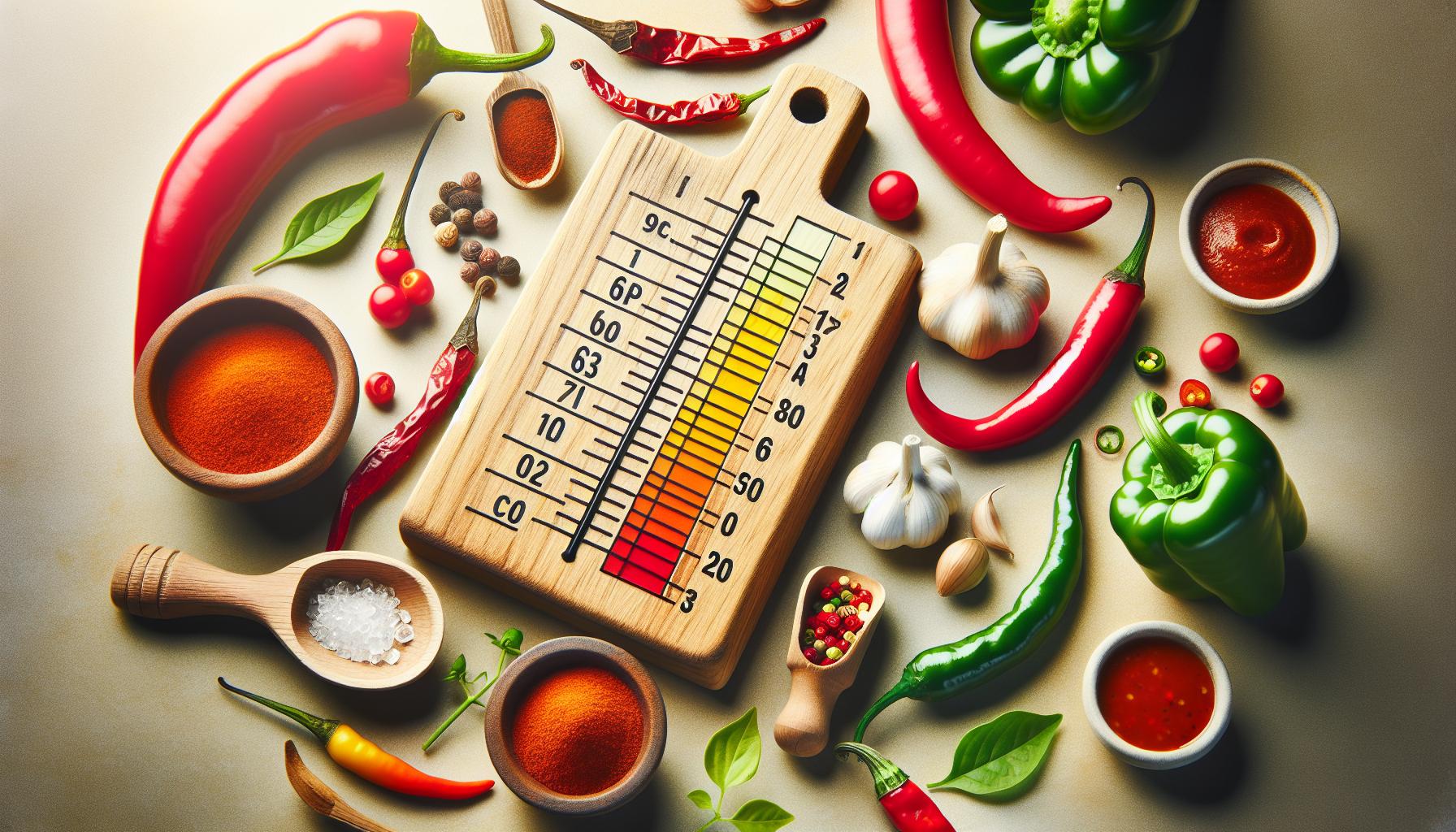
When it comes to culinary heat, understanding the Scoville scale is essential for anyone looking to elevate their cooking — especially when considering the spicy kick of ingredients like Arbol chiles.The Scoville scale is a measurement of the potency of chili peppers, specifically gauging the amount of capsaicin present. Capsaicin is the chemical compound responsible for the heat sensation that peppers impart, making the Scoville scale an indispensable tool in any kitchen.
Understanding the Scoville Scale
The scale is a simple way to quantify heat, with values expressed in Scoville Heat Units (SHU). For exmaple, Arbol chiles typically range from 15,000 to 30,000 SHU, which places them on the hotter side compared to the milder jalapeños, which average around 2,500 to 8,000 SHU. This wide range means that when substituting for Arbol chiles in recipes, selecting an appropriate alternative based on SHU is crucial for achieving the desired flavor profile and heat level in your dish.
To provide further clarity, here’s a comparison chart of common chiles and their Scoville ratings:
| Chili Pepper | Scoville Heat Units (SHU) |
|---|---|
| Jalapeño | 2,500 – 8,000 |
| Cayenne | 30,000 – 50,000 |
| Arbol chile | 15,000 – 30,000 |
| Habenero | 100,000 – 350,000 |
Choosing the Right substitute
When searching for an Arbol chile substitute, it’s vital to consider not only the heat level but also the flavor profile. Options like cayenne pepper can be effective as they surpass the heat level of Arbol chiles, making it necessary to use a smaller quantity. If your dish requires the distinctive kick of Arbol chiles but you prefer something milder,consider using Chile de Arbol in a 1:1 ratio with additional chili flakes for that extra layer of flavor without overwhelming heat. The balance of spice can transform a dish, making the careful measurement of these units crucial for success in your culinary endeavors.
Understanding and utilizing the Scoville scale ensures you can confidently substitute Arbol chiles or any other peppers with precision. Optimize your dish by maintaining the perfect level of heat while preserving the unique flavors of your ingredients.
Top Substitutes for Arbol chile Based on Heat and Flavor
Unlocking the Flavor and Heat: Optimal Substitutes for Arbol Chile
Arbol chiles are celebrated for their vibrant flavor and notable heat, typically ranging between 15,000 to 30,000 Scoville Heat Units (SHU). If you’re looking to replicate the essence of Arbol chiles in your dishes, several substitutes can rival their heat and flavor profile, ensuring your culinary creations remain bold and exciting. Here’s a closer look at the top alternatives.
- Japones Pepper: An excellent alternative, the Japonés pepper not only mimics the heat level of Arbol chiles but also possesses a similar flavor profile.Its slightly wider and flatter appearance makes it a fantastic choice for various dishes, from salsas to marinades [[1](https://pepperscale.com/chile-de-arbol-substitute/)].
- Chile Piquin: Match the fiery intensity of Arbol with Chile piquin, which shares the heat levels and can add a zesty flavor to your recipes. These small, round peppers have a unique taste that pairs well with meats and customary Mexican dishes [[3](https://brokebankvegan.com/chile-de-arbol/)].
- Cayenne Pepper: A widely available option, cayenne powder or flakes can substitute for arbol chiles effectively. It offers comparable heat, even though it lacks some of the distinct flavor nuances. use this when you’re in a pinch and need that heat without hesitation [[2](https://www.seriouseats.com/serious-heat-chile-substitutions)].
Heat Level Comparison
| Substitute | Heat (SHU) | Flavor Notes |
|---|---|---|
| Arbol Chile | 15,000 – 30,000 | Smoky, fruity |
| Japones Pepper | 15,000 – 30,000 | Nutty, sweet |
| Chile Piquin | 30,000 – 60,000 | Zesty, bright |
| Cayenne Pepper | 30,000 – 50,000 | Pungent, slightly fruity |
With these substitutes, you can confidently experiment in the kitchen while ensuring your dishes retain that essential heat and flavor characteristic of Arbol chiles. Whether opting for Japonés peppers for their close flavor match or turning to cayenne for a readily available alternative, each option opens up a world of culinary possibilities. Don’t hesitate to explore these substitutes to elevate your gastronomic creations!
Cooking Tips: When to Use Each Replacement

Cooking with dried chilies can elevate a dish,infusing it with rich flavors and varying heat levels. Understanding when and how to substitute for chiles de árbol is crucial, especially if you’re after that perfect kick in your recipes. Whether you’re working on a spicy salsa or a comforting chili, the right replacement can make all the difference in achieving that intended flavor profile.
Choosing Your Substitute
When deciding on an *Arbol Chile substitute*, keep in mind the heat level and the flavor notes of the dish. Chiles de árbol typically register between 15,000 and 30,000 Scoville Heat Units (SHU), lending a vibrant heat. Here are some excellent substitutes to consider:
- Thai Chilies: These tiny, red chilies can match the heat of chiles de árbol, making them an exceptional alternative in sauces and stir-fries.
- Cayenne pepper: Easily found in most kitchens, ground cayenne can add a similar level of heat, though it may lack some smoky undertones.
- Guajillo Chiles: For a milder, more complex flavor with a silky texture, guajillos can be a good choice, especially in stews.
- Calabrian Chiles: If you’re looking for that Italian flair,Calabrian chilies offer heat along with a rich,fruity flavor that pairs well in pasta dishes.
Heat Adjustments and Flavor Profiles
It’s important to adjust the amount of substitute chilies based on their heat level compared to chiles de árbol. For example, if using cayenne, consider starting with half the amount, gradually increasing it to avoid overpowering your dish.
| Chili | Heat Level (SHU) | Best Use |
|---|---|---|
| Chiles de árbol | 15,000 – 30,000 | Salsas, soups, marinades |
| Thai Chilies | 50,000 – 100,000 | Stir-fries, spicy sauces |
| Cayenne Pepper | 30,000 – 50,000 | Dry rubs, seasonings |
| Guajillo Chiles | 2,500 – 5,000 | Stews, sauces for depth |
| Calabrian Chiles | 25,000 – 40,000 | Pasta dishes, pizza |
By thoughtfully selecting your chilies and customizing quantities, you can harness the depth of flavor and heat that defines your culinary creations. Be adventurous in your cooking, experimenting with these replacements to find the perfect synergy for your palate while ensuring a appetizing and memorable meal experience.
Flavor Considerations: Balancing Heat with Other ingredients
When it comes to incorporating the fiery essence of Arbol chiles in culinary creations, understanding how to balance their heat with other flavors is paramount. Known for their bright, earthy taste with a touch of nuttiness and smokiness, these peppers can enhance dishes significantly but require thoughtful pairing to avoid overshadowing more delicate flavors.
Understanding Heat Versus Flavor
Arbol chiles are celebrated not just for their heat but for their robust flavor profile. This duality makes them a fantastic ingredient when used correctly. Their heat can range widely, and when considering an Arbol Chile substitute, it is essential to account for both the spice level and the unique flavors they bring to the table. Substitutes might include:
| Substitute | Heat Level (SHU) | Flavor Notes |
|---|---|---|
| Cayenne Pepper | 30,000 – 50,000 | Earthy, slightly sweet |
| Chipotle Powder | 5,000 - 10,000 | Smoky, rich |
| Poblano Pepper | 1,000 – 2,000 | mild, earthy |
Complementary Ingredients
To achieve a balance between heat and flavor, consider pairing Arbol chiles with ingredients that can either complement or diffuse their spiciness. Ingredients such as:
- Dairy: Sour cream or yogurt can mellow out the heat while adding a creamy texture.
- Sweetness: A dash of honey or brown sugar can enhance the overall flavor and reduce the perception of heat.
- Citrus: Lime or lemon juice can brighten dishes and provide acidity that cuts through the heat.
When adjusting recipes to replace Arbol chiles, it is crucial to experiment with combinations of these ingredients. as an example, using a combination of cayenne and yogurt can achieve a heat level similar to that of Arbol chiles while maintaining a delightful balance with the creamy backdrop. Tailoring each dish to your taste will ensure that the final product is not only spicy but also rich in flavor.
Creating Your Own Blend: DIY Chile Mix for Custom Heat Levels
creating your own blend of chilies can be an exciting culinary adventure that allows you to customize the flavor and heat levels of your dishes. This DIY approach not only lets you experiment with various ingredients but also ensures that you have the right spice mix tailored to your palate,especially when seeking a suitable *Arbol Chile substitute* in recipes.
Understanding Heat Levels
Before diving into your homemade mix, it’s essential to grasp the heat levels associated with different chilies. The Scoville scale, which measures the heat of chilies, can guide you in selecting substitutes that won’t overwhelm your dish or leave it lacking in spice. For those who favor the heat provided by Arbol chilies, which typically rate between 15,000 to 30,000 Scoville heat units (SHU), here’s a breakdown of potential substitutes:
| Chile Variety | Heat Level (SHU) | Flavor Profile |
|---|---|---|
| Cayenne Pepper | 30,000 - 50,000 | hot, slightly earthy |
| Poblano pepper | 1,000 – 2,000 | Mild, rich |
| Chipotle Powder | 5,000 – 10,000 | Smoky, spicy |
| Smoked Paprika | 500 – 1,000 | Sweet, smoky |
Step-by-Step Guide to Crafting Your Own Chile Mix
To create a custom blend, you can start with a base of dried chilies. Consider combining milder options with hotter ones to get a balanced heat. Here’s a simple method to whip up your own chili mix:
- Choose Your Base: Start with milder chilies like paprika or poblanos, which add depth without too much heat.
- Add a Kick: Incorporate hotter chilies such as cayenne or dried Arbol for that signature spiciness.
- Complementary Flavors: Enhance the blend with garlic powder,onion powder,and cumin to add layers of flavor.
- You’re Done! Blend all the ingredients, adjusting the ratios based on your heat tolerance and taste preferences.
By experimenting with various elements, you can achieve a mix that perfectly suits any recipe calling for an *Arbol Chile substitute*.Whether blending for a hearty chili or seasoning your favorite meats, this DIY approach empowers your culinary creativity and ensures you always have the right heat level at your fingertips.
Common Dishes That Benefit from Arbol Chile Alternatives
While the fiery kick of Arbol chilies can elevate many dishes, there are numerous alternatives available that can impart a similar level of heat and flavor. Exploring these substitutes not only broadens your culinary palette but also provides adaptability if you find yourself without the sought-after chilies. Here’s how you can incorporate these alternatives effectively into some common dishes.
Flavorful Applications of Arbol Chile Alternatives
When considering dishes that can benefit from Arbol Chile substitutes, think about those that can stand up to robust heat.Here are a few to consider:
- Pasta Arrabbiata: Traditional recipes for this spicy Italian dish often call for dried Arbol chilies. If you’re looking for a substitute, crushed red pepper or Japonés peppers can provide that notable heat and depth.
- Mexican Salsas: Whether it’s a fresh pico de gallo or a smoky roasted salsa, using alternatives like cayenne pepper or chipotles in adobo can enhance the flavor while keeping the spice level high.
- Chili Con Carne: This hearty dish can benefit from the addition of alternatives like Pasilla or Guajillo chilies,which bring a range of heat and depth of flavor when combined with other spices.
- Asian Stir-Fries: incorporating crushed red pepper flakes or a sprinkle of Szechuan peppercorns can mimic that spicy punch while adding unique flavor profiles.
Table of Common arbol Chile Substitutes
| Substitute | Heat Level (Scoville) | Best dishes |
|---|---|---|
| Crushed Red Pepper | 30,000 – 50,000 | Pasta, Pizza, Salsas |
| Japonés Pepper | 15,000 – 30,000 | Chili, Stir-fries |
| Cayenne Pepper Powder | 30,000 – 50,000 | Soups, Dips, Marinades |
| Chipotle in Adobo | 5,000 – 10,000 | Tacos, Burritos, Sauces |
By understanding these substitutes, you can maintain the heat levels characteristic of your favorite dishes. Feel free to mix and match to find the ideal flavor profile that suits your palate. Even without arbol chilies on hand, there’s no need to sacrifice bold flavors in your cooking!
Sourcing and Storing Substitutes for Maximum Freshness
The quest for enhancing your dishes with the right level of heat often leads to exploring various substitutes, notably when dealing with ingredients like Arbol chiles. When you choose to source and store alternatives, ensuring maximum freshness is key to maintaining the quality and punch of your culinary creations.
Choosing Quality Substitutes
When sourcing substitutes for Arbol chiles, it’s essential to mimic not just the heat levels, but also the flavor profile. Here are some effective replacements that can retain the integrity of your recipes:
- Chipotle Peppers in Adobo Sauce: With a similar smokiness and heat, these peppers make an excellent alternative. Their flavor can add richness to sauces and marinades.
- Cayenne Pepper: A more accessible spice that provides heat similar to Arbol chiles. Use sparingly as cayenne tends to be more concentrated.
- Thai bird’s Eye Chiles: For a different heat characteristic,Thai chiles offer a fruity taste along with spiciness,making them suitable for stir-fries and salsas.
Optimal Storage Techniques
Once you’ve selected your substitutes, proper storage becomes vital in preserving their freshness. Here are practical tips to ensure your substitute chiles maintain their best quality:
- Drying: If using dried chiles, store them in a cool, dark place in airtight containers. This prevents moisture absorption and keeps them flavorful longer.
- Refrigeration: Fresh chiles can last longer when stored in the refrigerator. Use perforated plastic bags to allow airflow and reduce moisture buildup.
- Freezing: For extended storage, consider freezing whole chiles or purees in ice cube trays. This method retains their heat levels and flavors effectively.
To illustrate, a simple method for freezing substitutes involves chopping the chiles and mixing them with a little olive oil before placing them in the freezer. This technique not only preserves the chiles but also prepares them for easy use in future recipes.
Utilizing these sourcing and storage techniques can help elevate your culinary outcomes, ensuring that your Arbol Chile substitutes, whether fresh or dried, remain vibrant and flavorful. This attention to detail will guarantee that every dish you prepare hits the right notes in heat and taste.
Expert Recommendations: Chefs Share Their favorite Arbol Chile Replacements
Exploring Flavorful Alternatives
When the craving for heat strikes, but Arbol chiles are not on hand, numerous chefs recommend reaching for ingredients that can deliver a similar kick without compromising your dish’s integrity. The beauty of culinary creativity lies in understanding the heat profiles and flavors of various substitutes.Here are some top choices that bring both heat and a touch of flavor to your recipes.
- Cayenne Pepper: Known for its fine, powdery texture and fiery punch, cayenne is an excellent substitute that closely mimics the heat of Arbol chiles. It’s particularly useful in sauces and spice blends.
- Serrano Peppers: While fresh serranos are slightly fruitier and less intense, they can add a delightful burst of heat when sliced or chopped. They work well in salsas or as a topping.
- Jalapeños: available fresh or dried, jalapeños offer a milder heat that can be perfect for those who enjoy a flavorful kick without overwhelming their palate. Roasting them enhances their sweetness.
Move Beyond the Basics
For more unique replacements that elevate your dishes, consider these alternatives.
| Substitute | Heat Level | Flavor Profile |
|---|---|---|
| Homemade Pepper Powder | Moderate to High | Smoky, Rich |
| Calabrian Chilies | High | Spicy, Fruity |
| Peperoncini | Low to Moderate | Tangy, Mildly Sweet |
Utilizing these substitutes not only ensures that you can achieve the desired heat levels but also adds intriguing flavor dimensions to your dishes. Chefs suggest trying out combinations of these ingredients to craft a unique flavor profile that caters to your taste preferences.For example, mixing cayenne and ground serrano can create a versatile heat that works in various recipes—from pasta sauces to grilled meats.
Faq
What are the heat levels of arbol Chile and how does it compare to other peppers?
Arbol Chile, also known as Chile de árbol, ranges from 15,000 to 30,000 Scoville Heat Units (SHU), making it a moderately spicy pepper. for context, this places it significantly above jalapeños (which range from 2,500 to 8,000 SHU) but lower than habaneros (which can reach 100,000 to 350,000 SHU). This gives Arbol Chile a respectable level of heat that can add a kick to various dishes without overwhelming them.
When considering substitutes,it’s essential to match the heat level as closely as possible. As an example, serrano peppers, with their heat ranging from 2,500 to 5,000 SHU, may not provide the same intensity. On the higher end, Thai bird chiles, ranging from 50,000 to 100,000 SHU, are considerably hotter and might drastically alter the flavor profile of your dish. Adjust your recipes accordingly based on the heat you desire and remember to taste as you go!
What are the best substitutes for Arbol Chile in cooking?
If you’re looking for alternatives to Arbol Chile, several options can mimic its heat and flavor. Here are the top substitutes:
- serrano Peppers: These peppers have a milder heat but retain a fresh flavor that makes them a suitable substitute in salsas or pico de gallo.
- Cayenne Pepper: Dried cayenne can provide a similar intensity and is available in both ground and whole forms, though it lacks the fruity notes of Arbol.
- Crushed Red Pepper Flakes: Easily accessible and often found in kitchens, these flakes can replace Arbol in most cooked dishes due to their heat.
To use these substitutes, always start with a smaller amount and adjust according to your taste. Such as, if the recipe calls for one Arbol pepper, start with half a Serrano and gauge the flavor and heat before adding more.
How can I effectively adjust the heat when using substitutes for Arbol Chile?
Adjusting heat levels can be crucial when substituting Arbol Chile. Here’s a step-by-step guide to help you achieve the desired spice level:
- Know the Heat of Your Substitute: Check the Scoville ratings of your chosen substitutes. The more you understand their heat compared to Arbol, the easier it will be to adjust.
- Start Small: If you use a hotter pepper (like Thai chiles), start with half the amount you would use of arbol. For example, if a recipe calls for 2 Arbols, try using 1 Thai chile initially.
- Taste as You Go: Incorporate the substitutes gradually, tasting after each addition. This allows you to hit the perfect balance without overpowering the dish.
Remember,cooking is all about personal preference! don’t hesitate to experiment with amounts until you find what works best for your palate.
how can the flavor profile of Arbol Chile be replicated in dishes?
Arbol Chile is known not only for its heat but also for its distinct flavor—a blend of earthiness and slight smokiness. To replicate this flavor profile in your dishes, consider the following:
- Smoked Paprika: This spice can add a smoky flavor that mirrors the essence of Arbol. Combine it with cayenne pepper to replicate both heat and flavor.
- Chipotle Peppers: Chipotles, particularly when dried, have a smokier taste that can emulate Arbol’s unique profile, though they are also much richer and deeper in flavor.
- Balsamic Vinegar: Incorporating a splash of balsamic can add depth and a sweetness that balances the heat of whichever substitute you choose.
Mix and match these ingredients in your recipes to achieve a flavor similar to that of Arbol Chile while ensuring you maintain the dish’s overall integrity.
Are there any non-pepper alternatives to arbol Chile?
While peppers are the primary choice for heat in cooking, there are non-pepper alternatives that can provide spiciness without using chiles.Here are some options:
- Hot Sauce: Many hot sauces contain a variety of flavorful peppers and can substitute directly for Arbol Chile, though the sauce’s vinegar-based aspect can alter the dish slightly.
- Wasabi or Horseradish: These may not mimic the flavor of Arbol, but they can provide the same heat intensity. Use sparingly, as they can overwhelm if used in large quantities.
- Ginger: For a different flavor profile, fresh ginger can add a zing to dishes without the same heat level as Arbol.Pair it with other spices to achieve a more complex flavor.
Experiment with these alternatives based on your dish’s requirements and your spice tolerance.Adjust quantities according to taste and dish type for the best results.
can the heat of Arbol Chile be balanced in recipes?
Balancing the heat in recipes using Arbol Chile or its substitutes is essential for achieving the desired taste. Follow these tips to effectively manage spice levels:
- Incorporate Dairy: Ingredients such as sour cream,yogurt,or cheese can definitely help neutralize the heat. as a notable example, add a dollop of sour cream to a spicy chili dish made with Arbol to tame the heat.
- Add Sweetness: Introducing sweet ingredients like honey, sugar, or sweet bell peppers can balance heat. A touch of sweetness can counteract spice effectively, leading to a well-rounded flavor.
- Incorporate Acidity: Using acidic components such as lime juice or vinegar can help cut through the spiciness. Adding a splash of vinegar or a squeeze of lime at the end of cooking can elevate the overall flavor while balancing heat.
As you adjust the heat, continually taste your dish to achieve the desired balance between spice and flavor without sacrificing the integrity of your original recipe.
The Best Arbol Chili Substitute Options: Heat Levels & Quick Ratios
Selecting an accurate arbol chili substitute (chile de árbol) requires replicating their intense capsicum pungency without altering the color or earthy foundation of your recipe. Known as “tree chiles” due to their woody stems, dried arbol chiles deliver crisp, immediate heat that lingers pleasantly on the palate.
| Chili Substitute | Scoville Heat (SHU) | Flavor Profile & Form | Ideal Recipe Match |
|---|---|---|---|
| Dried Cayenne Pepper (Whole or Ground) | 30,000 – 50,000 SHU | Clean, sharp heat, bright red color (use 3/4 ratio) | Mexican salsa de árbol, hot sauces, dry rubs |
| Crushed Red Pepper Flakes | 15,000 – 30,000 SHU | Direct peppery bite with toasted seeds | Chili crisps, pizza oils, infused cooking oils |
| Chile Japones (Japanese Dried Pepper) | 15,000 – 30,000 SHU | Near-identical heat and appearance, slightly less nutty | Authentic Mexican stews, stir-fries, birria broth |
| Fresh Serrano Pepper | 10,000 – 25,000 SHU | Bright, grassy fresh heat (slice into hot oil) | Table salsas, guacamole, quick ceviche marinades |
| Guajillo Pepper (+ Pinch of Cayenne) | 2,500 – 5,000 SHU | Sweet, berry-like, tannic body (requires cayenne for heat) | Pozole, enchilada sauces, braised beef tacos |
When toasting dried chili substitutes in a dry skillet, watch them carefully for only 20 to 30 seconds per side; burning the peppers will introduce an acrid, bitter taste into your salsas.
Final Thoughts
Conclusion: Finding Your Perfect Chile de Arbol Substitute
when looking for a replacement for Chile de arbol, consider the following key points:
- Heat Levels: Chile de Arbol ranks between 15,000 and 30,000 SHU. Choose substitutes with comparable heat to maintain your dish’s flavor profile.
- Best Substitutes:
– Cayenne Pepper: A versatile option, it offers a similar heat level and can be used in both ground and flake forms.
– Crushed Red Pepper Flakes: These are easy to find and can mimic the heat profile effectively.They are often derived from cayenne, making them a reliable substitute.
– Guajillo Peppers: Slightly milder, they provide a rich flavor and should be used if you’re looking to balance heat with taste.
- Usage tips:
– When substituting, start with half the amount and adjust according to your heat tolerance.
- For ground substitutes, keep in mind that they are usually more concentrated, so a little goes a long way.
Encourage Exploration
Don’t hesitate to experiment with these substitutes in your cooking! Explore different combinations to discover new flavors and heat levels that suit your palate. Dive deeper into the world of chiles and expand your culinary repertoire. Happy cooking!
Get our latest guides, news, and insights highlighted in your Google Search & AI Overviews.


