

Struggling to achieve that coveted sticky texture in your recipes without sweet rice flour? You’re not alone. Substituting this unique ingredient can be tricky, yet it’s essential for perfecting many dishes.Discover the best alternatives that can definitely help you create the same delightful consistency,ensuring your culinary creations never miss a beat.
Understanding the Role of Sweet Rice Flour in Sticky Recipes
using sweet rice flour,frequently enough referred to as glutinous rice flour,is essential in creating a variety of chewy and sticky textures in Asian desserts and dishes. Unlike regular rice flour, sweet rice flour has a higher starch content, which lends itself to producing that characteristic stretch and sticky quality often sought in recipes such as mochi and Chinese sticky rice cakes.
The Science Behind Sweet Rice Flour
Sweet rice flour is milled from specific types of glutinous rice, which are known for their high amylopectin levels. This unique starch composition allows the flour to absorb more water and form an elastic consistency when cooked. As an example, recipes like Japanese mochi utilize this elasticity to achieve their chewy vaporous texture that melts in your mouth. Understanding this science explains why replacing sweet rice flour in recipes generally requires substitutions that mimic similar properties—especially that stickiness.
Common Applications of Sweet rice Flour
When it comes to sticky recipes, the applications of sweet rice flour are vast. Here are some common uses:
- Mochi: A beloved Japanese dessert, mochi showcases the flour’s chewy texture.
- Chinese Sweet Rice Cake: This cake frequently enough features fillings such as red bean paste, encapsulated in a soft, sticky exterior due to sweet rice flour.
- Korean Desserts: Many conventional Korean sweets rely on this flour for their textured characteristics, such as in tteok (rice cakes).
Finding the Right Substitutes
If you find yourself without sweet rice flour, there are several effective substitutes that can offer a similar result when creating sticky recipes. Some of the best alternatives include:
| Substitute | Notes |
|---|---|
| Cornstarch | Mix with water to achieve a sticky consistency—perfect for thickening sauces. |
| tapioca flour | Provides a similar chewiness and is great for baking recipes needing a gluten-free option. |
| Almond flour | While it alters the flavor slightly, it can mimic the texture when combined with water. |
Using alternatives requires an understanding of the recipe’s needs; for instance, while cornstarch can replace sweet rice flour in some savory dishes to create thickness, it may not work as well in a traditional dessert setting that depends heavily on that unique chewy bite. Being aware of this will enable you to successfully navigate substitutions while maintaining the integrity of your sticky recipes.
Top alternatives for Sweet Rice Flour: A Comprehensive Overview
When it comes to creating delicious sticky recipes, sweet rice flour is often a key ingredient that adds the desired texture and flavor. Though, there are times when it might potentially be hard to find, prompting the need for effective substitutes that can deliver similar results. Understanding the best sweet rice flour substitute options available can help you keep your culinary creations intact without sacrificing quality.
Common Substitutes for sweet Rice Flour
If you find yourself without sweet rice flour, here are some excellent alternatives that are often found in pantries or local stores:
- Cornstarch: A straightforward 1:1 replacement, cornstarch is widely available and works well due to its ability to thicken and bind ingredients similar to sweet rice flour.
- Arrowroot Powder: Use about 2 teaspoons of arrowroot powder for every tablespoon of sweet rice flour. Arrowroot provides a slightly different texture but can yield excellent results in sauces and batters.
- Kudzu Powder: Also known as kuzu, this is used in a ratio of 2 to 3 tablespoons for every tablespoon of sweet rice flour. it performs well in thickening and can be a healthier alternative.
- Potato Starch: Like cornstarch, potato starch can be used as a 1:1 substitute. it is notably beneficial in recipes requiring a glossy finish.
Best practices for Using Substitutes
When opting for these sweet rice flour substitutes, it’s essential to adjust the method slightly to ensure you achieve the best results. A helpful tip is to mix the substitute with a bit of water to create a slurry before adding it to your recipe,especially for sauces.This technique can definitely help prevent clumping and ensure even distribution in your dish. Additionally, always check the specific proportions as some substitutes may alter the flavor slightly; thus, experimentation might be necessary to find the perfect balance for your sticky recipes.
| Substitute | Ratio to Sweet Rice Flour | Best For |
|---|---|---|
| Cornstarch | 1:1 | sauces, thickening agents |
| Arrowroot Powder | 2 tsp / 1 tbsp | Baking, sauces |
| Kudzu Powder | 2-3 tbsp / 1 tbsp | Thickening, healthy recipes |
| Potato Starch | 1:1 | Gluten-free baking, sauces |
Utilizing these sweet rice flour substitutes allows you to continue experimenting and creating delightful sticky recipes without disruption. Whether making desserts or savory dishes, these alternatives can prove invaluable whenever sweet rice flour isn’t on hand.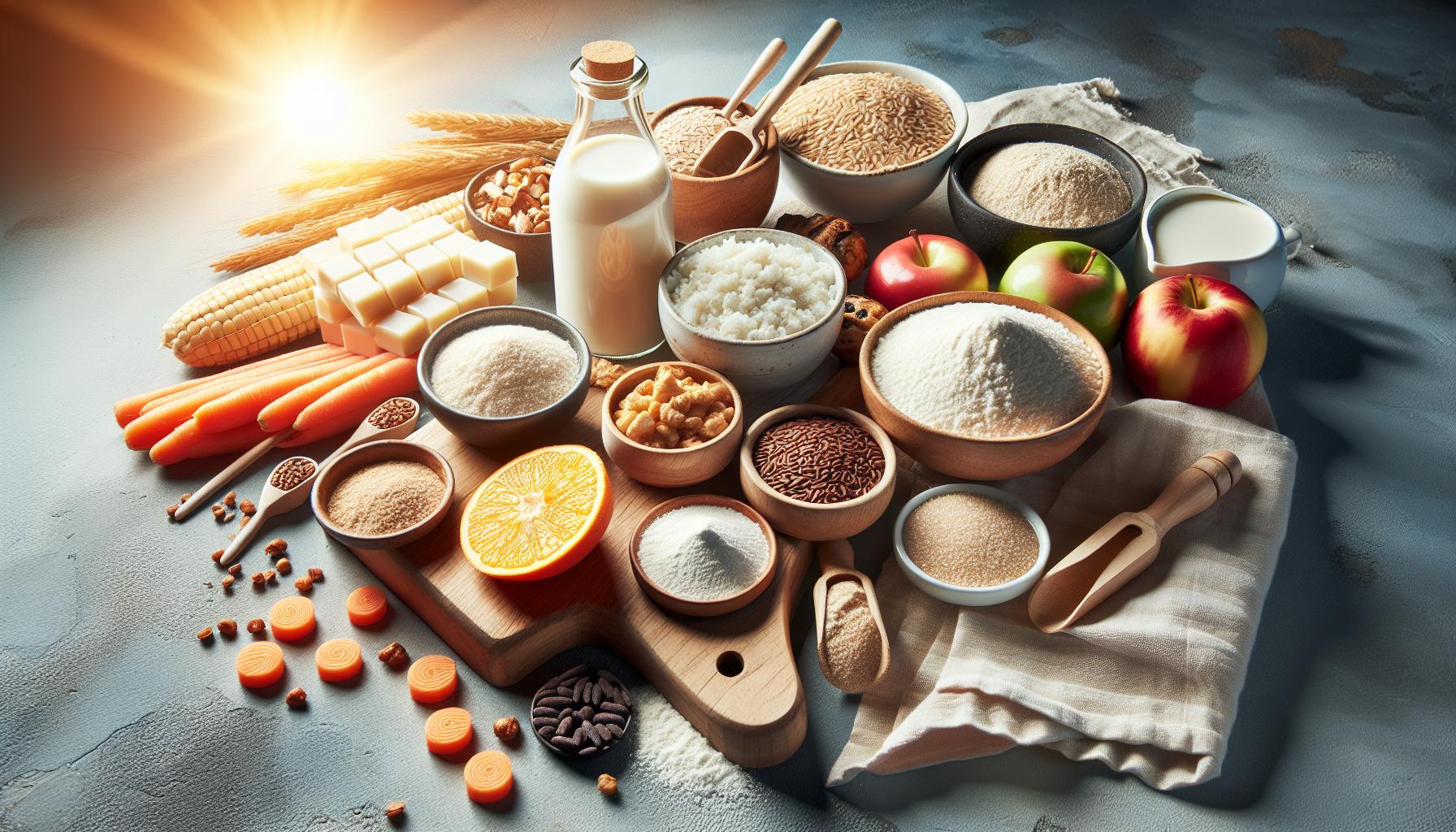
Tapioca Starch: A Go-To substitute for Chewy Textures
Tapioca starch stands out as an extraordinary alternative for achieving that coveted chewy texture in various recipes. This versatile ingredient, derived from the cassava plant, is prized for its ability to create a delightful mouthfeel and enhance the overall consistency in dishes that require a sticky or elastic quality. When exploring sweet rice flour substitutes, tapioca starch is not only accessible but also remarkably effective in imbuing recipes with the desired chewiness, making it an ideal choice for both novice and experienced cooks alike.
Why Choose Tapioca Starch?
One of the most compelling reasons to incorporate tapioca starch in your cooking is its superior binding properties.Unlike regular flours, tapioca enhances moisture retention, which results in a softer and more pliable texture.This characteristic is particularly beneficial in recipes such as:
- Gluten-free pastries
- Chewy noodles and dumplings
- Baked goods like mochi and cakes
Moreover, tapioca starch has a neutral flavor profile, allowing it to seamlessly blend into various dishes without altering their taste. This adaptability positions it as a go-to substitute when seeking to replicate the sticky nature typical of sweet rice flour in recipes focused on texture.
How to Substitute Tapioca Starch for Sweet Rice Flour
When considering substitution ratios, it’s useful to keep in mind that tapioca starch can generally replace sweet rice flour in a 1:1 ratio. Though, depending on your specific recipe, slight adjustments may need to be made for optimal results. here’s a quick guide for replacing sweet rice flour with tapioca starch:
| type of Recipe | Sweet Rice Flour (cups) | Tapioca Starch (cups) |
|---|---|---|
| Dumplings | 1 | 1 |
| Mochi | 1 | 1 |
| Thickening Sauces | 1 | 1 |
It is indeed also advisable to mix tapioca starch with water or other liquids before adding it to your recipe, which helps to prevent any clumping and ensures even distribution throughout your dish. By doing so, you’ll maintain the desired consistency and texture, an essential element when transitioning to a sweet rice flour substitute.
Incorporating tapioca starch into your kitchen arsenal will pave the way for deliciously chewy textures in your favorite recipes. Given its unique properties and versatility, it serves not only as a stand-in for sweet rice flour but also enriches your cooking experience with new possibilities.
Glutinous Rice Flour vs.Sweet Rice Flour: What’s the difference?
Understanding the Nuances of Glutinous Rice Flour and Sweet Rice Flour
When it comes to Asian cuisine, the desire for that perfect sticky texture often leads to the discussion of glutinous rice flour and sweet rice flour. Although many cooks may use these terms interchangeably, they are not quite the same, and understanding their differences can considerably enhance your cooking experience.
Composition and Origin
Glutinous rice flour is typically made from specific varieties of glutinous or sticky rice, which is primarily cultivated in Southeast Asia, including Thailand. This flour is finely milled and often used to create chewy desserts and dumplings. On the other hand, sweet rice flour, frequently enough termed as mochiko when referring to the Japanese version, is made from short-grain glutinous rice. The difference in rice varieties affects the flavor slightly and the texture in the final dish, leading to unique culinary applications for each flour type.
- Glutinous Rice Flour: Best known for its smooth consistency, it is ideal for recipes requiring a smooth texture, such as Thai rice cakes and mochi.
- Sweet Rice Flour: It tends to be more nuanced in flavor and is commonly used in Japanese sweets like daifuku or for thickening sauces.
Cooking Applications
When substituting sweet rice flour for glutinous rice flour, or vice versa, it’s essential to consider the end dish you’re preparing. for example,if a recipe involves steaming or boiling to achieve a chewy texture,either flour can suffice.However, for dishes like thickened sauces, sweet rice flour may provide a different flavor profile and viscosity compared to glutinous rice flour.Here’s a quick table to summarize their features:
| Characteristic | Glutinous Rice flour | Sweet Rice Flour |
|---|---|---|
| Texture | Smooth and sticky | Fine and slightly granular |
| Common Uses | Dumplings, rice cakes | Sauces, japanese sweets |
| Flavor | neutral | subtly sweet |
while both glutinous rice flour and sweet rice flour are essential ingredients for achieving that desired stickiness in recipes, knowing their distinct characteristics can enhance your cooking, allowing for better substitutions and improved flavor profiles. Whether seeking a sweet rice flour substitute or simply aiming to elevate your dishes, understanding these differences will help you make informed choices in the kitchen.
How to Use Coconut Flour as a Sweet Rice Flour Replacement
Using coconut flour as a substitute for sweet rice flour can unlock exciting flavors and textures in your baking. This gluten-free alternative not only provides a hint of coconut essence but also enriches your dishes with additional nutrition. When looking to replace sweet rice flour in recipes,it’s essential to understand how coconut flour behaves differently and adjust your methods accordingly.
Understanding Coconut Flour’s Properties
Coconut flour is known for its high absorbency, which means it requires adjustments to liquid content when used as a sweet rice flour substitute. For every cup of sweet rice flour you’ll replace, use only ¼ to ⅓ cup of coconut flour. This notable variance is crucial as it prevents your recipe from becoming overly dry or dense. Here’s a quick overview of how this substitution works:
| Sweet Rice Flour Measurement | Coconut Flour Measurement |
|---|---|
| 1 cup | ¼ to ⅓ cup |
Adjusting Liquid Ingredients
Because coconut flour absorbs more liquid, it’s advisable to increase the total amount of fluids in your recipe. Common liquid ingredients include water, milk, or eggs. For each cup of coconut flour used, add an extra egg or increase your liquid by about ½ cup to ensure the batter maintains the desired moisture and texture. This adjustment is particularly critically important in sticky recipes where the goal is to achieve a chewy, elastic consistency.
Experimenting with Flavor
Using coconut flour can add a delightful twist to traditional sweet recipes. its subtle coconut flavor complements various ingredients, such as chocolate, vanilla, or spices like cinnamon and nutmeg. Consider making coconut-flavored pancakes or muffins where the coconut enhances the overall taste profile. Additionally, coconut flour works wonderfully in desserts like coconut macaroons or rice pudding, where its natural flavor can shine through.
By implementing these adjustments and creative ideas, substituting sweet rice flour with coconut flour in your sticky recipes will not only be feasible but also enjoyable, giving you the chance to explore new culinary horizons. Embrace the changes and you may just discover a new favorite in your baking repertoire!
Adapting Your Recipes: Adjusting Liquid Ratios When Substituting
When substituting sweet rice flour in recipes, understanding how to adjust liquid ratios is crucial for achieving the desired texture and flavor. Sweet rice flour, known for its high starch content, is often used in sticky recipes to create that chewy, satisfying consistency. Though, when replaced with other flours, the liquid component may need adjustments to maintain that perfect balance.
understanding the Impact of Your Substitutes
Different substitutes for sweet rice flour, such as regular rice flour, tapioca flour, or even almond flour, have varying absorption qualities.This means that when you switch out sweet rice flour, the amount of liquid in your recipe might need to be tweaked. As an example, tapioca flour tends to require less liquid compared to sweet rice flour, while almond flour may absorb more moisture due to its higher fat content.
To make the transition smoother, consider the following practical steps:
- Start with a basic ratio: If a recipe calls for 1 cup of sweet rice flour, try starting with the same amount of your substitute. However, be prepared to adjust based on the texture.
- Adjust liquid gradually: Begin with the original liquid measurement and increase it in small increments, mixing thoroughly each time.This approach helps you prevent overshooting the desired consistency.
- Use a trial batch: If possible, conduct a small test batch of your recipe with the substitute to gauge the necessary adjustments before committing to a larger batch.
Common Substitutes and Liquid Adjustments
Here’s a quick reference table for some popular sweet rice flour substitutes and their typical liquid adjustment recommendations:
| Substitute | Suggested Liquid Adjustment |
|---|---|
| Regular Rice Flour | Increase liquid by 10-20% |
| Tapioca Flour | Reduce liquid by 15-25% |
| Almond Flour | Increase liquid by 15-20% |
| Coconut Flour | Increase liquid by 25-50% |
experiment and Fine-Tune
Remember, baking is as much an art as it is a science. by experimenting with these adjustments, you’ll find the right balance for your specific recipe. Personal preferences in texture and moisture will vary, so don’t hesitate to fine-tune your substitutions. With practice, you’ll master the delicate balance required when using sweet rice flour substitutes, ensuring that your sticky recipes remain deliciously satisfying.
Practical Tips for Gluten-Free Baking with sweet Rice Flour Alternatives
When exploring the world of gluten-free baking, one discovers that substitutions can open up a variety of textures and flavors that enhance both traditional and innovative recipes. Sweet rice flour, known for its sticky properties, often requires a thoughtful replacement to maintain the integrity of dishes like mochi or certain pastries.
Consider Alternative Flours
When seeking sweet rice flour substitutes, there are several options that can replicate the unique characteristics of this flour. Here’s a quick overview of effective alternatives:
| Substitute | Notes |
|---|---|
| Tapioca Flour | Provides a similar sticky texture; adjust water ratio. |
| Arrowroot Starch | Light and smooth; works well in thickening applications. |
| Potato Starch | Also provides a nice chewiness; combine with other flours. |
| Sorghum Flour | Offers a mild flavor; best when combined with other flours. |
Adjusting Ratios and Techniques
As you embark on gluten-free baking utilizing sweet rice flour alternatives, it’s critical to adjust the water-to-flour ratios in your recipes. Many substitutes absorb moisture differently; as an example, tapioca flour may require you to reduce added liquid slightly to achieve a similar dough consistency. Additionally, adding a touch of sweetness can further mimic the flavor of sweet rice flour, especially when utilizing less known alternatives like sorghum.
enhanced Binding and Texture
To replicate the binding power of sweet rice flour, a combination of flours like brown rice and tapioca flour can be effective. Not only will this help maintain the sticky nature required in recipes, but it also introduces a nuttier flavor profile that complements sweet dishes beautifully. Furthermore, incorporating gluten-free xanthan gum as a binder can enhance the overall texture, ensuring that baked goods have the desired structure without the gluten.
by experimenting with these sweet rice flour substitutes and adjusting your baking techniques, you can master gluten-free recipes that are not only flavorful but also with the right texture and consistency for a delightful culinary experience. Embrace the art of substitution, and you’ll find that gluten-free baking can be just as rewarding and delicious as traditional methods.
Flavor Profiles: Choosing the Right Substitute for Your Dish
Understanding Flavor Profiles of Sweet Rice Flour Substitutes
When it comes to finding the right substitute for sweet rice flour, understanding how different alternatives contribute to the flavor and texture of your dish is crucial. Sweet rice flour,known for its sticky,glutinous properties,is often used in recipes requiring a chewy or elastic texture. When seeking a substitute, consider not only how well it replicates this texture but also how its flavor complements the overall dish.
Tapioca Flour is one of the top contenders in this arena. With a neutral flavor and a superb thickening ability, it effectively works well in both sweet and savory dishes, making it a versatile option for those looking to replace sweet rice flour. This gluten-free choice can elevate the texture of desserts while maintaining a pleasant taste, perfect for recipes like mochi or puddings.
Another popular option is Arrowroot Starch. This fine, white powder is praised for its ability to create a clear gel, making it an excellent thickener for sauces and desserts without altering the flavor profile significantly. When used in recipes such as soups or sauces, arrowroot starch can enhance the dish without overwhelming the existing flavors.
For those exploring more distinct choices, Cassava Flour presents a slightly nuttier taste. This flour can add a subtle earthiness to recipes,making it ideal for baked goods or other applications where a richer flavor is desired. Its texture is also similar to that of sweet rice flour, making it an effective substitute in recipes like pancakes or cookies.
| Substitute | Flavor Profile | Best Uses |
|---|---|---|
| Tapioca flour | Neutral | Desserts, Sauces |
| Arrowroot Starch | Subtle | Thickening Sauces, puddings |
| Cassava Flour | Nutty | Baked Goods, pancakes |
Choosing the right sweet rice flour substitute ultimately hinges on the specific characteristics you want to bring out in your dish. explore these options and adjust the quantities to achieve the perfect balance of flavor and texture in your favorite recipes.
Step-by-step Guide to Using Arrowroot Powder in Sticky Recipes
Using arrowroot powder in your sticky recipes can be a game-changer, particularly for those looking to achieve a velvety texture without gluten. This natural thickener is derived from the root of the arrowroot plant and is frequently enough used in a variety of cuisines due to its versatility. One of the most compelling aspects of arrowroot powder is its ability to create a glossy finish in sauces or dips, making it an excellent choice when whipping up sticky concoctions, such as marinades or sautés.
Understanding Arrowroot Powder’s Properties
Arrowroot powder is prized for its neutral flavor, making it a fantastic sweet rice flour substitute in recipes where you want to maintain the original taste of the ingredients. Unlike cornstarch, arrowroot can create a stable consistency even when frozen or reheated. Though, it’s crucial to remember that arrowroot doesn’t perform well in acidic or overly cold environments. Thus, when using it in sticky recipes, ensure that the other components of the dish harmonize with its properties.
How to Incorporate Arrowroot Powder
To effectively use arrowroot powder in your sticky recipes, follow these simple steps:
- Mix with Cold Ingredients: Blend the arrowroot powder with a small amount of cold fluid first to create a slurry. This prevents clumping when added to a hot mixture.
- Add to Liquid: Gradually stir the arrowroot slurry into your warming liquid, continuously mixing to ensure an even consistency.
- Cook briefly: Allow the mixture to heat for just a few minutes. Arrowroot thickens quickly, so overcooking can result in a gummy texture.
- Serve Promptly: Arrowroot’s thickening power diminishes after cooling, so serve your dish right away for the best results.
Practical Applications of Arrowroot in Sticky Recipes
Incorporating arrowroot powder into your sticky recipes can enhance both texture and flavor. It works wonderfully in dishes like sticky sesame cauliflower, where a glossy, thick sauce is desired. You can use arrowroot to create a rich glaze for stir-fries, where it binds the ingredients while providing a sheen. This makes arrowroot powder not just a sweet rice flour substitute, but a valuable addition to any cook’s arsenal when aiming for that perfect sticky consistency.
Quick Reference Table
| Function | Best Used With | Cooking Tips |
|---|---|---|
| Thickener | Soups, Sauces, Marinades | Mix with cold liquid first |
| Binder | Veggie burgers, Dumplings | Use less than flour, add gradually |
| Stabilizer | Desserts, Frostings | Do not overheat or freeze |
By embracing arrowroot powder, you’ll find endless possibilities to elevate your cooking, from creamy sauces to deliciously sticky glazes.Its adaptability and ease of use make it a must-have for anyone looking to create scrumptious dishes that please both the palate and the eyes.
Creative Ways to Experiment with Sweet Rice Flour Replacements in Your Kitchen
If you’re exploring new culinary horizons,sweet rice flour replacements can be your secret weapon in achieving that perfect texture in sticky recipes. Whether you’re concocting traditional desserts or modern fusion dishes,the right substitute can elevate your cooking and bring innovative flavors to your meals.
Explore Alternative Starches
One of the most versatile sweet rice flour substitutes comes from starchy alternatives like tapioca flour, cornstarch, and potato starch. Each of these options has unique thickening properties, allowing you to create diverse textures in your recipes. For instance:
- Tapioca Flour: Known for giving a glossy finish to dishes, tapioca flour works wonderfully in puddings and pie fillings
- Cornstarch: A readily available option that produces a slight elasticity, making it great for sauces and gravies
- Potato Starch: Ideal for gluten-free baking, this starch can help you achieve a moist and chewy consistency
Experimenting with sweetness
To replicate the sweet undertone found in sweet rice flour, consider incorporating a bit of sweetness into your substitutes. Such as, when using tapioca flour, adding a dash of sugar or honey can mimic the flavor profile and enhance your recipe’s overall taste. This step is particularly useful in dessert recipes like mochi or sweet dumplings.
Combine Flours for Best Results
Sometimes, a single substitute may not deliver the desired effect. Don’t hesitate to mix various flours to capture the essential qualities of sweet rice flour. A combination of almond flour for nutty flavor and cornstarch for texture can provide a delightful twist on classic recipes. Try this mixture in baked goods or even as a coating for fried foods, giving a unique spin on conventional methods.
| Substitute | key Characteristics | Best Uses |
|---|---|---|
| Tapioca Flour | Glossy finish, chewy | Puddings, pie fillings |
| Cornstarch | Elasticity, thickening | Soups, sauces |
| Potato Starch | Moist, chewy | Gluten-free baking |
By embracing these sweet rice flour substitutes and venturing beyond established boundaries, you can redefine traditional recipes while discovering new textures and flavors that complement your cooking style. So grab your apron and let creativity reign in your kitchen!
Frequently asked questions
What is sweet rice flour, and how does it differ from regular rice flour?
Sweet rice flour, also known as glutinous rice flour, is made from short-grain sticky rice. It is distinctive because of its high starch content, which lends a unique chewy and sticky texture to recipes. In contrast, regular rice flour is produced from long-grain rice, resulting in a finer texture and less stickiness. This difference is crucial when it comes to baking and cooking,as sweet rice flour is frequently enough used to achieve that characteristic chewiness in various Asian desserts and dishes.
Sweet rice flour is particularly popular in recipes for mochi, dango, and glutinous rice cakes. When cooked, it becomes gummy and elastic, making it ideal for creating desserts that require a chewy, soft texture. Regular rice flour, while gluten-free, is less effective at replicating this texture, which can lead to undesirable results in recipes intended for sweet rice flour.
What are some common substitutes for sweet rice flour?
If you can’t find sweet rice flour, there are several effective substitutes that you can consider.One popular alternative is Mochiko flour, which is essentially a type of sweet rice flour sourced from Japanese sticky rice. It has the same chewy characteristics and can be used in equal amounts for recipes calling for sweet rice flour.
Other substitutes include:
- Tapioca starch: This can provide some chewiness,though it may not be as sticky. Use the same volume.
- Cornstarch or arrowroot powder: These can work in a pinch; use in equal proportions, but combine with a bit of regular rice flour for better texture if you like.
- Kudzu powder: A bit more potent, you might want to use 2-3 tablespoons for every cup of sweet rice flour.
Each substitute can yield different textures, so consider testing small batches to see which best suits your recipe.
How do I adjust my recipes when using sweet rice flour substitutes?
Adjusting recipes when using substitutes for sweet rice flour often depends on what alternative you choose. For example, if you’re substituting with tapioca starch, it typically requires a 1:1 ratio, but you might need to add a touch more liquid since tapioca can absorb moisture differently.
When using cornstarch, remember that it is indeed less sticky, meaning your end dish might lack the desired chewy texture. It’s beneficial to blend cornstarch with a portion of regular rice flour or tapioca starch to better mimic the elasticity of sweet rice flour. Here’s a simple guide:
- Mochiko: 1:1 Ratio
- Tapioca Starch: 1:1 Ratio (increase liquid slightly)
- Cornstarch: 1:1 Ratio (can mix with regular rice flour)
- Kudzu Powder: Use 2-3 tablespoons per cup of sweet rice flour
Always make adjustments based on the specific dish you’re preparing and taste the results before making larger batches.
are there any health considerations when using sweet rice flour substitutes?
When selecting a substitute for sweet rice flour, it’s important to take into account the health implications. Many substitutes like cornstarch and tapioca starch are relatively high in carbohydrates and low in fiber, which may not suit everyone’s dietary needs. If you’re following a gluten-free diet, ensure that the substitute you choose is certified gluten-free, as cross-contamination can occur.
Additionally, consider how the ingredient affects blood sugar levels. For instance, tapioca can cause a rapid increase in blood sugar, so individuals with diabetes should use it sparingly. On the other hand,arrowroot powder and kudzu powder are considered to have a more favorable glycemic index. Always consult with a healthcare provider if dietary concerns are significant for you, especially if you’re experimenting with multiple substitutes.
Can I use sweet rice flour substitutes in gluten-free baking?
Absolutely! Many sweet rice flour substitutes are gluten-free and can be used in gluten-free baking. Mochiko flour is naturally gluten-free and often employed in gluten-free dessert recipes to achieve the chewy texture that sweet rice flour offers. Other alternatives, like tapioca starch and cornstarch, also fit within gluten-free guidelines.
However, gluten-free baking often requires a blend of flours to mimic the structure and texture that gluten would otherwise provide. Combining substitutes can yield better results for baked goods. For instance, using a mix of tapioca starch and almond flour or arrowroot powder and coconut flour can produce a more balanced texture in finished products. Keep in mind the overall moisture content of your recipe, adjusting accordingly as different flours have varying moisture absorption properties.
What are some popular recipes that use sweet rice flour or its substitutes?
Sweet rice flour is a key ingredient in numerous traditional recipes, especially in Asian cuisines. Some popular dishes include:
- Mochi: A Japanese rice cake that is soft and chewy, traditionally filled with sweet red bean paste or ice cream.
- Dango: Skewered rice dumplings served with sweet soy sauce or syrup,often enjoyed at festivals.
- Thai Mango Sticky Rice: A dessert featuring sweet rice served with coconut milk and ripe mango.
- Bubur Ketan Hitam: An Indonesian black sticky rice pudding made with sweet rice flour, often topped with coconut cream.
If you’re using substitutes, many of these recipes can still be successfully recreated. As a notable example,using Mochiko flour rather of sweet rice flour in mochi recipes allows you to achieve that delightful texture.Experimenting with substitutes can provide new flavors and variations while keeping the essence of the original dishes intact.
Future Outlook
Conclusion: Finding the Ideal Sweet Rice flour Substitute
Choosing the right substitute for sweet rice flour can elevate your sticky recipes to perfection. Remember these key alternatives:
- Tapioca Starch: Excellent for thickening and providing chewiness similar to sweet rice flour.
- Arrowroot Starch: Great for gluten-free recipes; it creates a delicate texture.
- Potato Starch: Offers moisture retention and a similar binding quality.
Quick Implementation Tips:
- 1:1 Substitution: Use equal parts when substituting tapioca or arrowroot starch.
- Adjust Cooking Times: substitutes may affect cooking times slightly; keep an eye on your dish.
Real-World Example:
For a sweet rice flour-based mochi recipe, swap in an equal amount of tapioca starch for a chewy texture that closely resembles traditional mochi, ensuring your dish is both authentic and delicious!
Explore Further:
Don’t stop here! Experiment with different ratios and blends to discover what works best for your cooking style. Join our community of culinary explorers by sharing your experiences and tips! Happy cooking!


