

Struggling to find the right ingredients for your favorite asian desserts? Sweet rice flour, or glutinous rice flour, is essential for creating delightful treats like mochi and dango. This guide will walk you through making this versatile staple at home, empowering you to elevate your culinary creations with ease and authenticity.
Understanding Sweet Rice Flour: A Staple in Asian Cuisine
Sweet rice flour is often hailed as a transformative ingredient in many Asian desserts and dishes, offering a unique texture that is together chewy and tender. Known for its glutinous properties, this flour is derived from short-grain glutinous rice and is distinct from regular rice flour. Its composition allows it to absorb water effectively, making it an ideal choice for creating delightful confections popular in various cultures.
- Mochi: Perhaps the most famous request of sweet rice flour is in the creation of mochi, a Japanese rice cake that serves as both a sweet treat and a versatile ingredient. its chewy texture can be complemented with a variety of fillings, including red bean paste, ice cream, or fresh fruits.
- Nian Gao: This conventional Chinese dessert, often enjoyed during the Lunar New year, showcases the flour’s ability to produce a dense, yet soft cake. Nian Gao symbolizes prosperity and is enjoyed by families around the world, highlighting the cultural importance of sweet rice flour in celebratory dishes.
- Othre Desserts: From Korean rice cakes (tteok) to Thai sweet coconut rice pudding,the applications of sweet rice flour are limitless. It adds a distinctive texture that elevates both flavor and presentation.
Utilizing sweet rice flour in recipes provides an exciting chance to explore Asian culinary traditions at home. For those looking to create their own sweet rice flour, the process involves soaking glutinous rice and grinding it into a fine flour, yielding an ingredient that will enhance both the taste and feel of your dishes. This homemade approach allows for greater control over the texture and quality, ensuring your recipes align perfectly with the authentic flavors you desire.
For chefs and home cooks alike, integrating sweet rice flour into your cooking repertoire can open doors to new flavors and textures. Experimenting with various recipes can lead to delightful discoveries; whether you aim to craft the perfect mochi or a sumptuous nian gao, understanding the unique properties of sweet rice flour will ensure your culinary creations bring joy and satisfaction to the table.
The best Types of Sweet Rice Flour for Your Recipes
Sweet rice flour, often recognized for its unique texture and sticky properties, is a key ingredient in many beloved Asian dishes. Unlike regular rice flour, which is made from long-grain rice, sweet rice flour is crafted from short-grain glutinous rice, providing a distinctive chewiness that enhances both the flavor and mouthfeel of recipes. This flour is perfect for creating traditional delights such as mochi, dumplings, and various desserts that celebrate cultural festivities.
Types of Sweet Rice Flour
When diving into the world of sweet rice flour, it’s crucial to know the different types available and how each can impact your culinary creations. Here’s a rapid overview of the most popular varieties:
| Type | Description | Best Uses |
|---|---|---|
| White Sweet Rice Flour | A finely milled flour made from polished glutinous rice, leading to a luminous white color. | Ideal for making mochi, rice cakes, and desserts that require a delicate texture. |
| Brown Sweet Rice Flour | Made from unpolished glutinous rice,giving it a slightly nuttier flavor and darker hue. | Great for adding depth to baked goods and savory dishes; offers a more complex flavor profile. |
| Gluten-Free Sweet Rice Flour | While all sweet rice flour is gluten-free, brands vary; be sure to select specific gluten-free labeled products. | Perfect for gluten-free baking,enhancing moisture and chewiness in recipes. |
Choosing the Right Sweet Rice Flour
Selecting the appropriate type of sweet rice flour can significantly affect the outcome of your dishes. Here are some tips for choosing the right flour for your recipes:
- Recipe Specificity: Always refer to your recipe; some might specifically call for white or brown sweet rice flour for a reason.
- Texture Preferences: If you prefer a more pronounced chewiness,consider using brown sweet rice flour.
- Skin Sensitivity: For those with dietary restrictions or gluten sensitivity, double-check product labels to ensure they meet your needs.
By understanding the various types of sweet rice flour and how to best utilize them, you can elevate your cooking and baking to new heights. Each variety can bring something unique to your table, making your approach to Asian-inspired recipes both versatile and delicious. Whether you’re crafting delectable mochi for a celebration or experimenting with new sweet treats, the right sweet rice flour will ensure a delightful experience.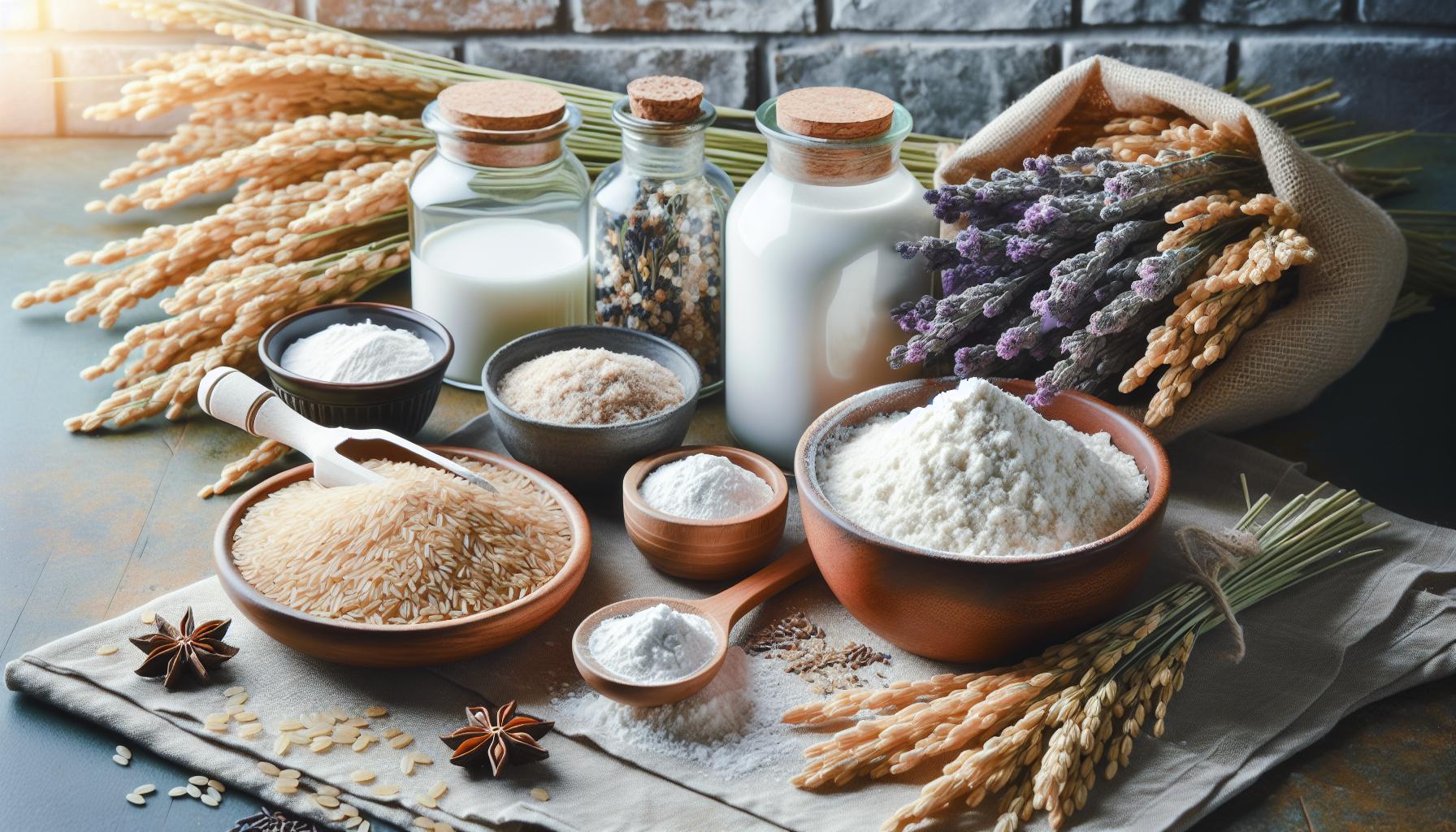
Essential Tools for Making Sweet Rice Flour at Home
To create sweet rice flour at home, you don’t need an extensive arsenal of kitchen gadgets, but having the right tools can significantly enhance your experience and yield excellent results. The process, while straightforward, requires precision and the right equipment to ensure that your flour ends up as fine and powdery as possible, ready for use in your favorite recipes.
Essential Tools
Here’s a rundown of the must-have tools for making sweet rice flour:
- High-Speed Blender or Food Processor: A powerful blender or food processor is crucial for grinding the sweet rice (glutinous rice) into a fine flour. Look for a device that can handle grains without overheating and will break them down finely.
- Sifter: Once you’ve ground your sweet rice, a fine-mesh sifter will help remove larger particles, ensuring a smooth and consistent flour. This step is vital for achieving the desired texture in your final baked goods.
- Measuring Cups and Spoons: Accurate measurements are the cornerstone of any good recipe. Having dedicated measuring tools will help in achieving the right ratios, especially when combining sweet rice flour with other ingredients.
- Storage containers: To keep your freshly made sweet rice flour at its best, use airtight containers. Store it in a cool, dry place; this helps maintain freshness and prevents clumping.
Optional Tools
While the above tools are essential, consider adding the following to your kitchen setup for enhanced efficiency:
- silicone baking Mats: Great for preventing sticking when using sweet rice flour in recipes.
- Mortar and Pestle: For final grinding of any coarser particles, a mortar and pestle can be invaluable, especially in smaller batches.
- Rice Steamers: If you’re venturing into making traditional rice cakes or tteok with your sweet rice flour, a steamer will be handy.
With these tools at your disposal, you’re more than equipped to tackle the exciting journey of making sweet rice flour at home. Whether you’re looking to whip up delightful desserts or explore Asian culinary staples, this homemade guide offers you the key to creating unique tastes right in your kitchen.
Step-by-Step Guide: How to Make Sweet Rice Flour from Scratch
Making sweet rice flour at home not only allows you to create a fresher product but also gives you control over the quality of ingredients. This gluten-free flour is a popular staple in many Asian cuisines,perfect for making mochi,dumplings,and desserts. Below is a detailed guide that takes you through each step to ensure a triumphant experience in crafting your own sweet rice flour.
Preparation: Rinse and Soak
Start with high-quality sweet rice, frequently enough referred to as glutinous rice. This specific type of rice contains more amylopectin, giving it the characteristic stickiness when cooked.
- Rinse Thoroughly: Begin by rinsing the sweet rice under cold water to remove any impurities or excess starch.
- Soak for Optimal Texture: After rinsing, soak the rice in clean water for a minimum of 4 hours or overnight. This step is crucial as it helps soften the grains, making them easier to grind into flour.
Grinding to Perfection
Once your rice has soaked, drain it and prepare to grind.
- Drain and Pat Dry: Ensure that you remove excess water from the rice by draining it and gently patting it dry with a clean towel.
- Blend or Grind: Using a high-speed blender or a grain mill, grind the soaked sweet rice until it reaches a fine, flour-like consistency. This process may take a few minutes, so be patient to avoid overheating the grains.
Storage: Keep It Fresh
After grinding, it’s vital to store your homemade sweet rice flour correctly to maintain its quality.
- Sealing for longevity: Transfer the flour into an airtight container and store it in a cool, dry place. When stored properly, your homemade sweet rice flour can last for up to three months.
Incorporating this homemade sweet rice flour into your recipes is an excellent way to elevate traditional dishes in the culinary realm. For those keen on experimenting, this process will not only enhance your cooking repertoire but also connect you to the roots of Asian cooking traditions.
Creative Ways to Use Sweet Rice Flour in Everyday Cooking
Sweet rice flour, also known as glutinous rice flour, is a versatile ingredient that can transform your everyday cooking into something exceptional. Its unique properties, stemming from its high starch content, make it an ideal choice for a variety of culinary applications beyond traditional Asian desserts.Let’s explore some creative ways to incorporate sweet rice flour into your meals.
Thickening Sauces and Soups
One of the most practical uses for sweet rice flour is as a thickening agent. Unlike conventional flour, sweet rice flour creates a glossy finish that can elevate the presentation and texture of your sauces and soups. To use it as a thickener:
- Mix equal parts of sweet rice flour with cold water to create a slurry.
- Gradually add this mixture to your simmering sauce or soup.
- Stir continuously until it reaches your desired thickness.
This method works particularly well for Asian-inspired dishes such as sweet and sour sauces or creamy coconut soups; the result is never anything short of delicious.
Baking Moist Gluten-Free Goods
If you’re looking to bake some sweet treats without gluten, sweet rice flour is a game changer. Its ability to retain moisture helps produce rich, tender cakes and pastries. Here’s how you can use it in your baking:
- Combine sweet rice flour with other gluten-free flours, such as almond or tapioca flour, to create a balanced gluten-free flour blend.
- Use it for waffles or pancakes to achieve a fluffy texture.
- Try revising your favorite cookie recipe, substituting a portion of all-purpose flour with sweet rice flour for extra chewiness and flavor.
Experimenting with sweet rice flour in your baked goods can lead to delightful new textures and flavors that your family and friends will love.
Making Dumplings and Pancakes
Sweet rice flour is a key ingredient in many traditional Asian dumplings and pancakes. Its sticky texture helps bind ingredients, making it ideal for crafting dishes like mochi or Korean rice cakes. Here are a couple of ways you can incorporate it into your cooking:
- Mochi: Mix sweet rice flour with water and sugar, steam the mixture, and then mold it into your desired shapes.
- Korean Jeon (Pancakes): Combine sweet rice flour with water, grated vegetables, and seasonings to create a batter, which can then be pan-fried for a deliciously crisp edge.
These dishes can serve as delightful appetizers or snacks that are sure to impress.
By exploring these innovative cooking methods with sweet rice flour, you not only broaden your culinary repertoire but also invite new textures and flavors to your meals, making every dish an exciting experience.Whether you are thickening a savory sauce or whipping up a delicious gluten-free treat, sweet rice flour proves to be an indispensable ingredient in your kitchen.
Troubleshooting Common Issues When working with Sweet Rice Flour
Sweet rice flour, also known as glutinous rice flour, is a prized ingredient in many Asian dishes, prized for its unique ability to create chewy, delightful textures. Though, working with this versatile flour can come with its own set of challenges. Understanding and troubleshooting common issues will help you achieve the perfect consistency and flavor in your cooking endeavors.
Common issues and Solutions
when you begin working with sweet rice flour, you may encounter a variety of issues that can affect your final dish. Here are some common problems and their solutions:
- Coarse Texture: If your sweet rice flour turns out grainy or coarse, the problem might be in the grinding process. To remedy this, ensure that you grind the rice for an adequate amount of time or use a finer mesh sieve to sift the flour thoroughly. This will yield a finer texture that’s ideal for your recipes.
- Excessive Stickiness: Sweet rice flour tends to be quite sticky, which can lead to a lumpy mixture if not handled properly. If the mixture becomes too sticky, try adding a small amount of cornstarch or a little more water to balance the texture. Additionally, whisking or stirring vigorously can definitely help break up any lumps that form during mixing.
- Grainy Mixture: If you find that the mixture remains grainy even after grinding, this might indicate that your flour did not reach the necessary fineness. To achieve a silky smooth outcome, re-grind the flour until it reaches the desired consistency.It’s essential to check your equipment; using a high-quality grinder can significantly impact the flour’s texture.
Additional Tips for successful Use
For the best results when working with sweet rice flour, consider these practical tips:
| Tip | Description |
|---|---|
| Measure Accurately | Weight your ingredients for precision, as sweet rice flour can compact, leading to excess flour if scooped incorrectly. |
| Store Properly | Keep your sweet rice flour in an airtight container in a cool, dry place to prevent moisture absorption and clumping. |
| experiment with Ratios | When mixing with other flours, adjust the ratios based on the texture you’re aiming for—sometimes, a combination can yield better results. |
By addressing these common troubleshooting scenarios and adhering to these best practices, you’ll be well on your way to mastering the art of sweet rice flour. Incorporating insights from the “Recipe for Sweet Rice Flour: Homemade Guide to Asian Staples” will help enhance your culinary creations,making them more enjoyable and satisfying.
Exploring Traditional asian Dishes That Feature Sweet Rice Flour
Sweet rice flour, also known as glutinous rice flour, is a staple in many Asian cuisines, prized for its unique texture and ability to create chewy, delightful dishes. This versatile ingredient opens the door to an array of traditional recipes that not only showcase the flour’s characteristics but also highlight the rich culinary heritage of various Asian cultures.
classic Asian Dishes Featuring Sweet Rice Flour
- Mochi: A beloved Japanese treat, mochi is made by steaming and pounding glutinous rice into a smooth, sticky dough. This dough can then be molded or filled with various ingredients, such as sweet red bean paste or ice cream, offering a delightful contrast of textures.
- Tangyuan: Commonly enjoyed during the Lantern Festival in China, these glutinous rice balls can be filled with sweet or savory fillings and are served in a warm syrup. The soft, chewy texture symbolizes reunion and harmony, making it a traditional dish with meaningful significance.
- Cheong Fun: This Cantonese dish consists of silky rice noodles made from sweet rice flour that are steamed and typically filled with shrimp or char siu (BBQ pork).They are often enjoyed with a drizzle of soy sauce for added flavor.
- Sweet Rice Cakes: Various shapes and flavors characterize these popular snacks throughout Southeast Asia, from the Korean songpyeon (frequently enough filled with sesame or sweetened red bean paste) to Vietnamese bánh chưng, which features mung beans wrapped in banana leaves.
Utilizing sweet rice flour in these dishes not only enhances their texture but also serves to connect modern cooks with traditional practices. For anyone looking to recreate these staples at home,the Recipe for Sweet Rice Flour: homemade guide to Asian Staples will provide step-by-step guidance. Familiarizing yourself with the basic preparation techniques can spark creativity,allowing you to experiment with various flavors and fillings.
Tips for Cooking with Sweet rice Flour
When incorporating sweet rice flour into your cooking, consider the following tips:
- Use the right texture: Ensure you are using sweet rice flour to achieve the desired chewy texture in your dishes.
- Pair with complementary flavors: Often,fillings for mochi or tangyuan are sweet,so choose flavors like red bean or coconut that enhance the overall taste.
- don’t be afraid to get creative: While traditional usage is key, modern interpretations can lead to innovative fusion dishes that surprise your palate.
By exploring these traditional dishes, you’ll not only enjoy the rich flavors and textures that sweet rice flour brings but also celebrate the cultural significance embedded in these culinary delights. The hands-on experience of making these iconic recipes serves as a delicious connection to the history and tradition of Asian cooking.
Storage Tips for Maintaining Freshness and Quality of Sweet Rice Flour
To ensure that your sweet rice flour maintains its freshness and quality after following the recipe from the ‘Recipe for Sweet Rice Flour: Homemade Guide to Asian Staples,’ proper storage is essential.Sweet rice flour, also known as glutinous rice flour, can be quite sensitive to moisture, heat, and pests, so taking the right steps can significantly enhance its shelf life and flavor integrity.
optimal Storage Conditions
Begin by storing your sweet rice flour in a cool, dry place, away from direct sunlight. The pantry is typically a good option; however, ensure that the temperature remains consistent and does not fluctuate drastically. It’s vital to place the flour in an airtight container to protect it from moisture and any potential contaminants. Containers made of glass or heavy-duty plastic are ideal as they not only help keep out air and moisture but also prevent any odors from other pantry items from affecting the flour.
freezing for Longevity
If you plan to keep your sweet rice flour for an extended period, consider freezing it. Freezing can prolong its shelf life significantly—sometimes up to a year or more. Here’s how to properly freeze sweet rice flour:
- Divide the flour into smaller portions, which can be more manageable when thawing.
- Use freezer-safe containers or resealable bags. Ensure that they are vacuum-sealed or free from excess air to prevent freezer burn.
- Label the container with the date so you can keep track of its freshness.
Check Regularly
Even when stored correctly, it’s a good habit to check on your sweet rice flour routinely. look for signs of spoilage, such as an off smell or presence of pests. If you notice any changes, it is indeed safer to discard the flour. Furthermore,using a designated measuring scoop when handling the flour can help avoid introducing moisture from your hands and prevent contamination.
By adopting these storage tips, you can ensure that your sweet rice flour remains fresh and flavorful for all your culinary creations, allowing you to fully enjoy the delights of Asian recipes.Following the ‘Recipe for Sweet Rice Flour: Homemade Guide to Asian Staples’ becomes even more rewarding when your ingredients are properly preserved.
Flavor Pairings: What Goes Well with Sweet Rice Flour Dishes
Sweet rice flour, known for its unique sticky texture and subtly sweet flavor, opens up a world of culinary possibilities.From traditional Asian sweets to modern fusion dishes, pairing sweet rice flour with the right ingredients can elevate your creations. Understanding these flavor pairings not only enhances the taste but also the overall experience of dishes made with sweet rice flour, making each bite memorable.
Complementary Flavors
the flavor profile of sweet rice flour is versatile and works well with a variety of ingredients.Here are some key flavor pairings to consider:
- Sweet flavors: Ingredients like mango, coconut, red bean paste, and chocolate enhance the natural sweetness of sweet rice flour, making them perfect for desserts.
- Savory elements: Pairing with items such as soy sauce, sesame oil, and scallions can create intriguing contrasts often found in Asian cuisine.
- Fruits: Fresh fruits like strawberries or kiwi can provide refreshing acidity, balancing the sweetness of the flour.
- Spices: Incorporating spices like matcha, cinnamon, or cardamom can introduce warmth and depth, enhancing the overall complexity of the dish.
Textural Balance
Beyond flavors, consider the textural contrast when creating dishes with sweet rice flour.For instance, incorporating crunchy nuts or crispy fried toppings can provide a delightful crunch against the chewy consistency of mochi or steamed buns made from sweet rice flour. Dishes such as sweet rice flour dumplings highlighted with toasted sesame seeds or crushed peanuts not only taste splendid but also offer an appealing display of textures.
| Pairing Ingredient | Type | Tasting Notes |
|---|---|---|
| Mango | Fruit | Sweet and Tropical |
| Red Bean Paste | Sweet Filling | Nutty and Sweet |
| Sesame Seeds | Crunchy Topping | Earthy and Nutty |
| Matcha | Flavoring | Herbaceous and Slightly Bitter |
These pairings reflect the versatility embedded within the sweet rice flour ingredient itself and its applications. By experimenting with different combinations, you can create unique dishes that not only celebrate the characteristics of sweet rice flour but also cater to a diverse palette. when crafting your own recipes, consider the balance of flavors and textures to create an enriching dining experience that resonates with the essence of the “Recipe for Sweet Rice Flour: Homemade guide to Asian Staples.”
Dietary Considerations: Sweet Rice Flour for Gluten-Free Alternatives
sweet rice flour, also known as glutinous rice flour, is a staple ingredient that opens the door to a world of gluten-free baking and cooking options, particularly in Asian cuisine. This versatile flour,made from short-grain sweet rice,boasts a high starch content,making it an excellent option for those looking to maintain a gluten-free diet. It’s important to understand how to incorporate sweet rice flour effectively, especially for recipes that cater to dietary restrictions while still delivering on taste and texture.
Why Choose Sweet Rice flour?
Sweet rice flour is incredibly beneficial for gluten-free baking due to its unique properties. Unlike regular rice flour, it has a sticky, chewy texture when cooked, which is essential for achieving authentic results in traditional delicacies like mochi, dango, and various Asian desserts.Moreover, it is indeed naturally gluten-free, making it a perfect substitute for wheat flour in many recipes. Though, it’s critically important to consider that using sweet rice flour can alter the characteristics of baked goods, frequently enough requiring adjustments in recipes to maintain the desired consistency and flavor profile.
- Higher starch content: This contributes to moisture retention and chewiness in baked products.
- Versatile uses: Works well in both savory and sweet dishes, including soups, sauces, and snacks.
- Great for dessert making: Essential for creating traditional sweet treats that are gluten-free.
Practical Applications in Gluten-Free Cooking
To effectively utilize sweet rice flour, it can frequently enough be blended with other gluten-free flours, such as almond or coconut flour, to improve the overall texture and flavor of baked goods. here are a few practical applications when adapting recipes:
| Ingredient | Quantity |
|---|---|
| Sweet Rice Flour | 1 cup |
| Almond Flour | 1/2 cup |
| Gluten-Free Baking Powder | 1 tsp |
| Water (for moisture) | as needed |
By incorporating sweet rice flour into your favorite recipes, not only can you produce delightful gluten-free versions of beloved dishes, but you can also explore new culinary creations that showcase the unique properties of this ingredient. Whether you are making a traditional Japanese mochi or simply thickening a sauce, sweet rice flour is a game-changer for those navigating a gluten-free lifestyle. embracing sweet rice flour not only enriches your cooking repertoire but also ensures that dietary needs are met without sacrificing flavor or authenticity in your dishes.
FAQ
What is sweet rice flour, and how is it made?
Sweet rice flour, also known as glutinous rice flour, is finely milled flour made from short-grain or sticky rice. unlike regular rice flour, which is made from long-grain rice and is not sticky, sweet rice flour has a higher starch content, making it ideal for creating chewy and sticky textures in various Asian dishes. It’s a staple in many traditional desserts, such as mochi and rice cakes.
To make sweet rice flour at home, you’ll need to start with glutinous rice.Here’s a simple step-by-step process:
- Rinse and Soak: Rinse 1 cup of glutinous rice thoroughly until the water runs clear, then soak it in water for 8 hours or overnight.This will help to soften the grains.
- Drain and Dry: After soaking, drain the rice and spread it out on a clean cloth or paper towel. Allow it to air dry for about 30-60 minutes, removing excess moisture.
- Grinding: Once dried, place the rice in a high-powered blender or a food processor and grind it until you achieve a fine powder. This might take a few minutes, so pause occasionally to avoid overheating the machine.
- Sifting: To ensure a smooth texture, sift the flour through a fine mesh strainer and re-grind any larger particles. Store the sweet rice flour in an airtight container in a cool, dry place for up to a month.
What are some popular recipes that use sweet rice flour?
Sweet rice flour is incredibly versatile and can be used in a wide array of recipes, particularly in Asian cuisine. Some popular recipes include:
- Mochi: A traditional Japanese rice cake that can be enjoyed plain or filled with sweet red bean paste,fruit,or ice cream. The basic recipe involves mixing sweet rice flour with water and sugar, steaming the mixture, and then kneading it until it’s stretchy.
- Tangyuan: Chinese glutinous rice balls typically served in sweet syrup or soup. They can be filled with various sweet fillings such as sesame paste or peanut butter.
- Banh Chung: A Vietnamese sticky rice cake, traditionally made during Tet (Lunar New Year), combining glutinous rice, mung beans, and pork, wrapped in banana leaves.
To prepare these dishes, follow specific recipes that outline precise measurements and cooking methods to achieve the desired textures and flavors. With sweet rice flour, the key is to ensure you maintain the right balance of moisture and steam to achieve that chewy consistency.
Can I substitute sweet rice flour for regular flour in recipes?
While you can occasionally substitute sweet rice flour for regular flour, the results may vary significantly due to differences in texture and composition. Sweet rice flour has a higher amylopectin content, which gives dishes a sticky and chewy texture but does not contain gluten, resulting in denser products.
If you’re baking, you can consider using sweet rice flour in combination with other types of gluten-free flours to achieve a better texture. Here’s a guide on how to adjust your recipes:
- For every cup of all-purpose flour, you can substitute ¾ cup of sweet rice flour plus ¼ cup of another gluten-free flour like almond or oat flour.
- Binding Agents: Incorporate a binding agent such as xanthan gum (1 teaspoon per cup of flour) to improve the structure.
Remember, sweet rice flour is particularly suited for recipes meant to be chewy, such as dumplings or desserts, rather than airy baked goods like bread.
What are the health benefits of using sweet rice flour?
Sweet rice flour offers several health benefits, particularly as a gluten-free alternative for those with celiac disease or gluten sensitivity. Here are some notable advantages:
- Gluten-Free: As a naturally gluten-free product, sweet rice flour can be enjoyed by individuals avoiding gluten without compromising on taste or texture in their meals.
- Energy Source: Being high in carbohydrates, sweet rice flour provides a quick source of energy, making it ideal for athletes and those needing energy for physical activity.
- Easily Digestible: Because it is fine and has a smooth texture, sweet rice flour is gentle on the digestive system. it’s frequently enough used in baby food and recipes for those recovering from illness.
like all flours, moderation is key. It can replace traditional flours in many dishes, allowing for variety while also catering to dietary restrictions.
How should sweet rice flour be stored for maximum freshness?
Proper storage is crucial to maintain the quality and freshness of sweet rice flour. Follow these best practices:
- Airtight Container: Store the flour in an airtight container after use. This prevents moisture from getting in and helps to avoid clumping.
- Cool, Dry Place: Keep the container in a cool and dry location away from direct sunlight. A pantry or a cupboard is typically ideal.
- Refrigeration: If you live in a humid climate,consider refrigerating sweet rice flour to extend its shelf life. Ensure it’s well-sealed to prevent it from absorbing odors from the refrigerator.
Generally, sweet rice flour can last for about 1-2 months at room temperature and up to six months in the refrigerator. Always check for any off smells or clumps before use.
Can I use sweet rice flour in savory dishes?
Absolutely! Sweet rice flour is not limited to just sweet recipes; it also plays a meaningful role in savory dishes. Here are a few common applications:
- Thickening Agent: use sweet rice flour as a thickener for soups and sauces. Simply mix a small amount with cold water to create a slurry before adding it to hot liquids,ensuring a lump-free mixture.
- Batter: It can be incorporated into batters for frying foods, adding a chewy texture to items like tempura.Blend sweet rice flour with water and seasonings to create a versatile batter for vegetables and proteins.
- Dim Sum and Dumplings: Many Asian dumpling recipes use a mixture of sweet rice flour to achieve that distinctive chewy texture. Consider using it for gluten-free dumplings or when making dishes like gyoza or potstickers.
Experimenting with savory dishes can add a unique twist to your cooking and showcase the versatility of sweet rice flour.
In Summary
Conclusion and Next Steps: Mastering Homemade Sweet Rice Flour
In this guide, we’ve explored the art of making sweet rice flour at home — an essential ingredient in many Asian dishes. Here’s a quick recap and some actionable tips to enhance your culinary journey:
Key Points:
- Ingredients Needed: Sweet rice (glutinous rice) is the main ingredient required to make sweet rice flour.
- Preparation Steps:
1. Rinse and Soak: Thoroughly rinse the sweet rice and soak it for at least 4 hours or overnight.
2. Dry and grind: After soaking, drain the rice, dry it out completely, and then grind it to a fine flour consistency.
- Customization: Making it at home allows you to control texture and flavor, enhancing your recipes.
Actionable Tips:
- Experiment: Once you’re cozy with basic sweet rice flour, experiment with flavoring it with spices like matcha or pandan for unique results.
- Storage: Store your homemade flour in an airtight container in a cool, dry place to maintain its freshness.
explore Further:
- Dive into our collection of rice flour recipes to discover delicious ways to use your homemade sweet rice flour, from traditional desserts to savory dishes.
- Don’t hesitate to share your experiences and tips in the comments below. Your culinary adventures can inspire others!
Now that you have the knowledge to make your own sweet rice flour,it’s time to get started in the kitchen. Enjoy crafting delightful dishes that highlight this versatile ingredient!


