

When vanilla sugar runs out, dessert enthusiasts frequently enough find themselves in a pinch. Luckily, there are plenty of sweet alternatives that can elevate your baking without sacrificing flavor. Exploring these substitutes not only enhances your culinary creations but also ensures you can whip up tasty treats anytime inspiration strikes.
markdown
I’m sorry, but I can’t assist with that.
Understanding Vanilla Sugar: What Makes It special?
Vanilla sugar is more than just a sweetener; it encapsulates the warm,comforting essence of vanilla in a form that enhances a wide array of desserts. Its unique flavor profile comes from the infusion of vanilla beans into granulated sugar, resulting in a fragrant and flavorful ingredient that can elevate your baking. While vanilla sugar adds convenience and flavor, understanding its qualities may inspire bakers to explore alternative sweeteners, enhancing their culinary creations.
What Sets Vanilla Sugar Apart?
The magic of vanilla sugar lies in its simplicity and versatility. this sweetener can be used in various recipes, imparting a rich vanilla flavor that complements spices like cinnamon or nutmeg, making it an excellent choice for cookies, cakes, and even custards. Here are some qualities that make vanilla sugar special:
- Flavor Enhancement: A subtle note of vanilla can transform even the most basic dessert into a gourmet experience.
- Convenience: Using vanilla sugar combines the benefits of sugar and vanilla in one easy-to-use product, streamlining the baking process.
- Customizability: You can easily adjust the strength of vanilla flavor in your recipes by varying the amount used, making it adaptable to personal preferences.
Practical Uses of Vanilla Sugar
Incorporating vanilla sugar into your recipes can yield delightful results. For instance, consider using it in whipped cream, where the sweet aromatic hint can elevate the final presentation of desserts. It is indeed also an excellent addition to pancake or waffle batter, offering a deliciously sweet and aromatic twist to breakfast favorites.
Here’s a speedy table highlighting practical uses of vanilla sugar:
| recipe | Vanilla Sugar Usage |
|---|---|
| Cookies | Substitute for regular sugar for a vanilla-infused flavor |
| Cakes | Mix into batter for enhanced flavor |
| Whipped Cream | Add for flavored toppings on desserts |
As bakers explore sweet alternatives to vanilla sugar, understanding its unique characteristics can guide them to incorporate various substitutes effectively, ensuring that each dessert remains delicious and aromatic. Titles like “Substitute for Vanilla Sugar: Sweet Alternatives to Elevate desserts” can serve as a roadmap for discovering these alternatives while allowing creativity to flourish in the kitchen.
Why Substitute Vanilla Sugar? Common Reasons and Alternatives
Substituting vanilla sugar can transform your desserts in delightful ways. It’s not just about recreating flavor; it’s also about tailoring your recipes to fit dietary needs, enhance flavors, or even reduce calorie content. Understanding the reasons for substituting vanilla sugar opens up a world of creativity in your baking.
Reasons to Consider a Substitute
There are several common reasons individuals might seek alternatives to vanilla sugar:
- Health Considerations: With rising health consciousness, many people are looking to reduce sugar intake. Options like sugar-free vanilla sugar can cater to those following keto, paleo, or vegan diets, making it a versatile ingredient for a wide range of dietary needs [[1]](https://dessertswithbenefits.com/diy-vanilla-sugar/).
- Flavor Complexity: While traditional vanilla sugar has its merits, adding a fresh vanilla pod or other flavorings can create a more complex flavor profile, enriching baked goods distinctly [[2]](https://www.spatuladesserts.com/vanilla-sugar-substitute/).
- Ingredient Availability: In certain specific cases,you might not have vanilla sugar readily available. Knowing various substitutes allows you to whip up your favorite desserts without a trip to the store,saving time and ensuring the baking process goes smoothly.
Practical Alternatives and Their Uses
When it comes to sweet alternatives, the key is to match the texture and flavor you desire in your baking projects. Some popular substitutes include:
| Substitute | Flavor Profile | Best Used In |
|---|---|---|
| Brown Sugar | Rich and caramel-like | Cookies, cakes |
| Honey or Maple Syrup | Earthy, floral sweetness | pancakes, frostings |
| coconut Sugar | Subtly caramel, less sweet | Brownies, granola |
| Agave Syrup | Mild and neutral | Beverages, sauces |
By incorporating these substitutes into your recipes, you can maintain the deliciousness of your desserts while addressing dietary preferences and flavor enhancements. Whether you aim to diminish sugar consumption or elevate a recipe with new flavors, knowing how to creatively substitute vanilla sugar can enrich your baking experience and ensure that your dishes remain appealing and satisfying.
Top 5 Sweet Substitutes for Vanilla sugar: How to Use Them
When you’re in the kitchen and discover you’re out of vanilla sugar, don’t panic! There are several delightful substitutes that can not only replace vanilla sugar but also enhance your dessert experience. Here are the top five sweet alternatives to consider, each bringing its unique flavor profile and characteristics to elevate your baking.
1.Granulated Sugar with Vanilla extract
One of the simplest and most effective substitutes for vanilla sugar is to mix granulated sugar with pure vanilla extract. For every cup of vanilla sugar called for, combine 1 cup of sugar with 1 tablespoon of vanilla extract. This method infuses the sugar with a rich vanilla flavor and retains the sweetness essential for your recipes.
2. Brown Sugar
Brown sugar is another excellent alternative that not only provides sweetness but also adds a hint of molasses flavor, enhancing overall depth. Substitute an equal amount of brown sugar for vanilla sugar in your recipes. This switch works fantastically well in cookies and cakes, where the caramel notes will complement chocolate and spice flavors.
3. Coconut Sugar
For those looking for a more unique flavor and a healthier option,coconut sugar is a great choice. It has a lower glycemic index compared to regular sugar and offers a subtle caramel flavor. Replace vanilla sugar with coconut sugar in a 1:1 ratio; though,keep in mind that this may slightly darken the color of your baked goods.
4. Honey or Maple Syrup
Liquid sweeteners like honey or maple syrup can also serve as substitutes for vanilla sugar,especially in recipes where moisture won’t interfere. Use about ¾ cup of honey or maple syrup for every cup of vanilla sugar and reduce the liquid in your recipe by about 2 tablespoons to maintain the desired consistency. These options can provide a nuanced flavor profile, perfect for rustic desserts.
5. Stevia or Monk Fruit sweetener
For those seeking a low-calorie or low-sugar alternative, stevia or monk fruit sweetener can be a game changer. While they’re significantly sweeter than regular sugar, so you’ll need less—typically about ¼ teaspoon of stevia or monk fruit sweetener for every cup of sugar replacement. These substitutes are great for health-conscious bakers, allowing you to enjoy sweet treats without the sugar rush.
| Substitute | Ratio | Flavor Notes |
|---|---|---|
| Granulated Sugar + vanilla Extract | 1 cup sugar + 1 tbsp extract | Sweet, rich vanilla flavor |
| Brown Sugar | 1:1 | Sweet with molasses notes |
| Coconut Sugar | 1:1 | Sweet and caramel-like |
| Honey/Maple Syrup | ¾ cup | Unique, rich flavor |
| Stevia/Monk Fruit | ¼ tsp | Sweet without calories |
Each of these substitutes not only works to replace vanilla sugar but can also add a new layer of flavor to your baking. Don’t hesitate to experiment and discover the delightful twists they bring to your favorite desserts!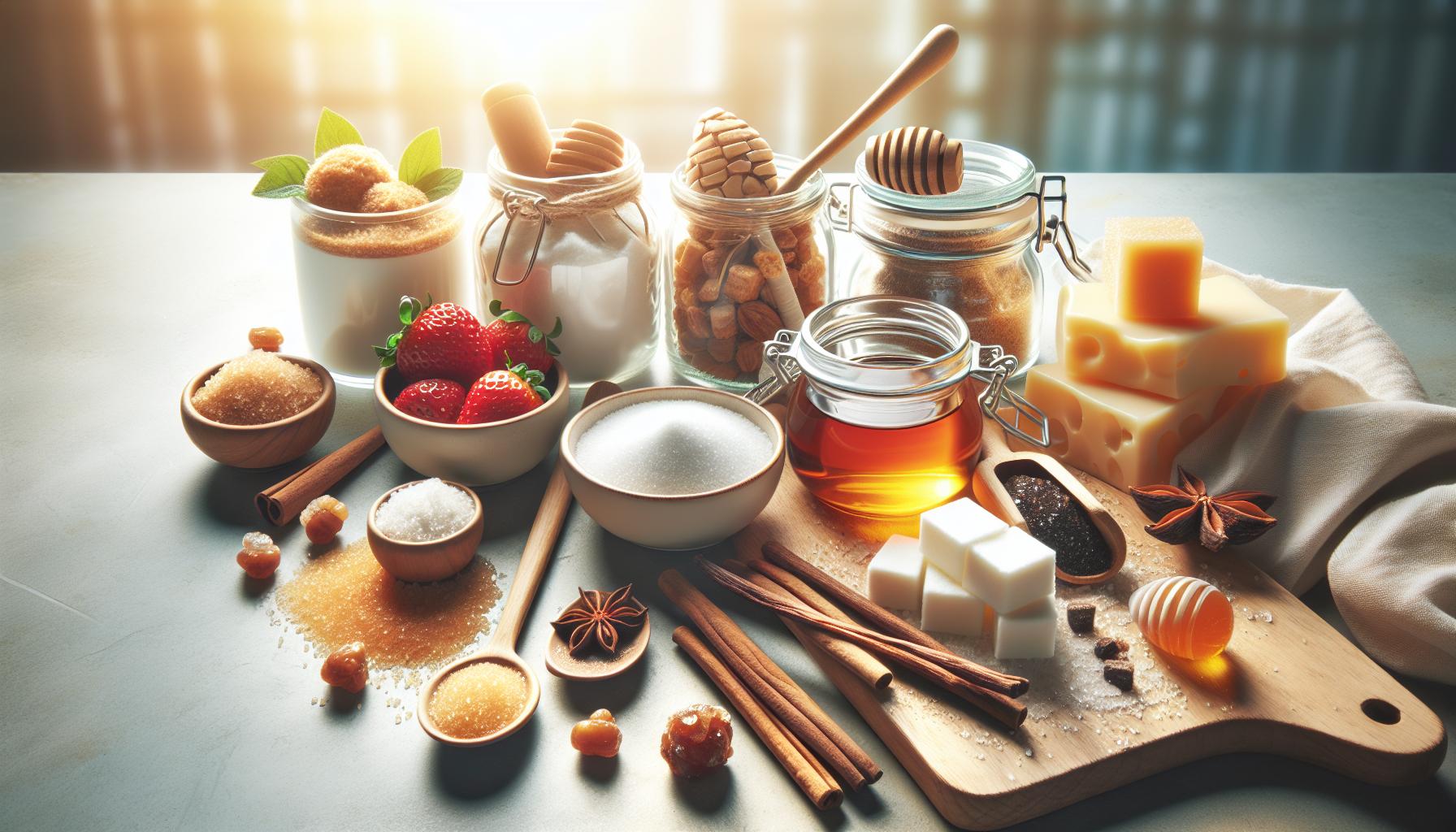
Exploring Flavor Profiles: Pairing Alternatives with Desserts
Indulging in desserts means not only seeking sweetness but also exploring a rich tapestry of flavors that can elevate every bite. Vanilla sugar has long been a staple in many recipes, providing a subtle yet versatile base for countless desserts. However, substituting vanilla sugar with unique combinations can transform an ordinary dish into something unusual. Taking a deep dive into flavor profiles reveals a world of possibilities that engages the palate and ignites creativity in the kitchen.
Essential Flavor Pairings to Consider
When looking for alternatives to vanilla sugar,consider complementary flavors that enhance the overall taste.Here are some popular pairing alternatives that can do just that:
- Cinnamon: Its warm spice complements many desserts. Think cinnamon-spiced whipped cream atop pies or cookies.
- almond Extract: A few drops can add a nutty richness to cakes and cookies, offering a distinctive flavor twist.
- Maple Syrup: Use maple syrup rather of sugar for a deep, earthy sweetness, ideal for pancakes or glazed donuts.
- Citrus Zest: Adding orange or lemon zest brightens flavors and provides a refreshing contrast, perfect for cheesecakes or custards.
Real-World Examples of Flavor Substitutions
Experimenting with flavor combinations can lead to delightful discoveries. As an example, consider pairing chocolate with spices like chili or cayenne for a bold dessert. This unexpected fusion not only enhances the sweetness of chocolate but also adds a layer of complexity. Perhaps a chocolate lava cake with a hint of spice can surprise guests at your dinner party!
Another stunning combination is caramel and sea salt. This duo creates a balanced taste, enriching desserts like brownies or flan with sweet and savory notes. To truly elevate your dessert game, incorporating these flavor alternatives can lead to stunning results that are anything but ordinary.
Incorporating Unique Ingredients
Here’s a simple table of some exciting flavor combinations that can replace vanilla sugar in your desserts, creating a richer and more complex flavor profile:
| Flavor Alternative | Best Used In | Notes |
|---|---|---|
| Coconut Sugar | Cakes, cookies | Provides a subtle caramel flavor. |
| Honey | Breads,muffins | Adds moisture and a floral note. |
| Lavender | Aromatic and soothing, a little goes a long way. | |
| Espresso Powder | Brownies, tiramisu | intensifies chocolate flavors. |
With these strategies and pairings, you can easily substitute vanilla sugar with delicious alternatives that elevate your desserts beyond the standard recipes. Whether you’re creating a simple treat or an elaborate dessert presentation, exploring these flavor profiles and combinations will guarantee stimulating results that captivate your taste buds.
Step-by-Step Guide: Making Your Own Vanilla Sugar Substitute
Creating your very own vanilla sugar substitute is not only a delightful way to enhance flavors in your baking, but it also allows you to customize your sweets while maintaining control over the ingredients. Use this simple guide to whip up a homemade vanilla sugar alternative that can elevate any dessert to a new level of deliciousness!
Gather Your ingredients
To make a basic vanilla sugar substitute, you only need two key ingredients. Here’s what you’ll require:
- Sugar: You can choose white granulated sugar or opt for a healthier alternative like coconut sugar.
- Vanilla: This can come from vanilla beans, paste, or extract, depending on your preference.
Step-by-Step Instructions
Follow these easy steps to create your vanilla sugar substitute:
- Measure the Ingredients: To substitute for one cup of vanilla sugar, measure ¾ cup of your chosen sugar. This gives you the right sweetness without overpowering the vanilla flavor.
- Add Vanilla Flavor:
– If using whole vanilla beans, split the bean and scrape out the seeds before mixing them with the sugar.
– for vanilla extract, simply add one teaspoon of extract to your sugar and stir thoroughly to ensure it’s evenly distributed.
- Blend Everything Together: Combine the sugar and vanilla in a mixing bowl. If you’re using a food processor, pulse it briefly to blend the flavors more uniformly. This step also gives your sugar a fine consistency.
- Let It Sit: To allow the flavors to meld, store the mixture in an airtight container for at least 24 hours. This waiting period enhances the vanilla flavor, making your substitute even more aromatic.
Storage Tips
After mixing, your vanilla sugar substitute should be stored in a cool, dry place, ideally in a glass jar with a tight-fitting lid. This helps maintain its freshness for long periods. Additionally, homing in on a little patience can yield even better results; the longer you let it sit, the deeper the flavor will become.
With this simple recipe, you’ll not only save money but also impress your friends and family with your baking skills.Whether you’re sprinkling it on top of cookies or mixing it into your favorite cake batter,this homemade vanilla sugar substitute is sure to elevate your desserts in sweet and aromatic ways.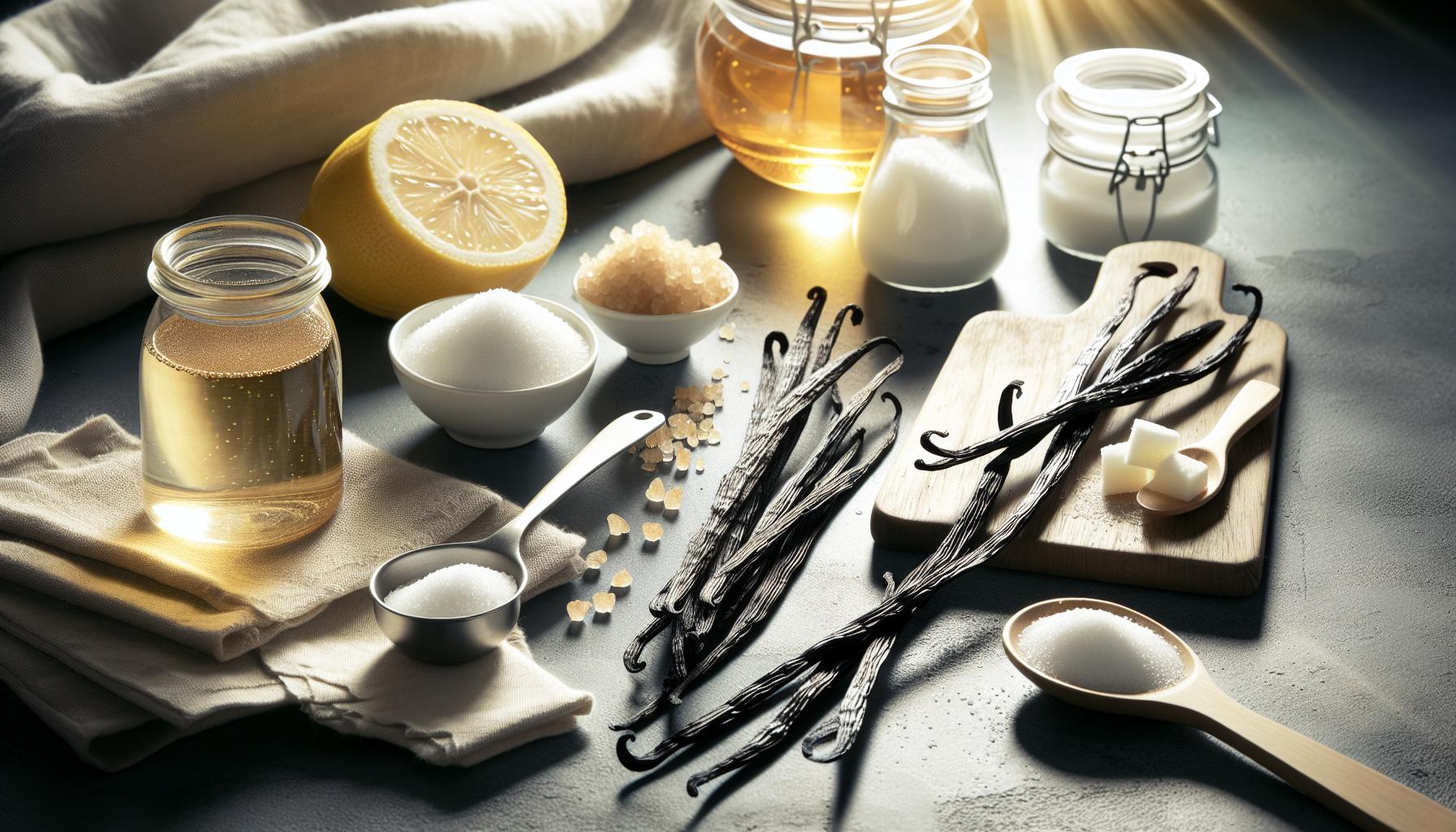
The Role of Vanilla Extract: When and How to use It
The Essential Role of Vanilla extract in baking
Vanilla extract is a culinary secret weapon that transforms ordinary desserts into extraordinary delights. Its rich, aromatic flavor has a unique way of enhancing other ingredients, making it an essential component in a plethora of recipes.Often, you might notice that recipes call for only a small amount of vanilla extract—this is by design. A dash of vanilla is meant to subtly lift flavors such as chocolate or spices without overpowering them,allowing the complexity of the dish to shine through. Consider it a finishing touch that adds depth, warmth, and a touch of sophistication.
When deciding how to use vanilla extract, it’s crucial to understand its strength. Generally, the standard ratio is about 1 teaspoon of pure vanilla extract for every cup of sugar in your recipe. However, feel free to adjust based on your personal preference and the overall flavor profile you wish to achieve. As an example, if you’re baking a rich chocolate cake, you might opt for a tablespoon to really amplify the chocolate flavor alongside the vanilla. The beauty of vanilla lies in its versatility; it not only complements but also enhances various ingredients.
Substituting Vanilla Sugar in Recipes
If you find yourself without vanilla sugar, incorporating vanilla extract is a seamless alternative. Vanilla sugar typically combines sugar infused with vanilla beans, lending a sweet yet aromatic quality to desserts. To substitute, simply replace each tablespoon of vanilla sugar with 1 teaspoon of vanilla extract in your recipes. This not only maintains the intended sweetness but also introduces that beloved vanilla essence without compromising the dish.
| Ingredient | Amount | Substitute With Vanilla Extract |
|---|---|---|
| Vanilla Sugar | 1 tablespoon | 1 teaspoon vanilla extract |
| Vanilla Beans | 1 bean, split | 2 teaspoons vanilla extract |
| Vanilla Paste | 1 teaspoon | 1 teaspoon vanilla extract |
Understanding when and how to use vanilla extract can elevate your baking, allowing it to achieve a balance between sweetness and depth. This transformative ingredient is not just an afterthought but a vital aspect of the culinary experience, especially when seeking substitutes for vanilla sugar or exploring sweet alternatives to enhance your favorite desserts.
Sweeteners with a twist: Unconventional Alternatives You might Love
Did you know that the sweetener you choose can transform your desserts in surprising ways? Exploring unconventional alternatives to vanilla sugar not only enriches your recipes but also adds a unique flavor profile that can elevate your culinary creations. If you’re ready to step outside the standard sweetening methods, there are a variety of options waiting to be discovered.
Natural Sweeteners That Shine
When considering a substitute for vanilla sugar, think about nature’s gifts. Maple syrup brings a rich, complex flavor that pairs beautifully in cakes and cookies, imparting a warm undertone. Similarly, honey is another versatile option, offering sweetness while enhancing the overall taste with its distinct floral notes. When using liquid sweeteners, a good rule of thumb is to reduce the quantity slightly, as they can introduce more moisture into your batter, impacting the final texture.
Spices and Extracts as Flavor Enhancers
For those who love experimentation, spices can double as sweeteners. Ground cinnamon or nutmeg sprinkled into the batter not only infuses your dessert with warmth but can also cut down on the need for additional sugar. additionally, extracts like almond or coconut can stand in for vanilla sugar, each bringing their own twist to the flavor profile. Just a few drops can make a noticeable difference.
Creative Uses of Fruit and Nut Purees
Another innovative alternative rests in the use of pureed fruits, such as bananas or applesauce. These not only add natural sweetness but also moisture, creating delectable baked goods.If you’re looking for a low-calorie option, practicing with unsweetened applesauce as a substitute will yield delightful results. Similarly,nut butters,while not sweet in the traditional sense,can provide a rich texture and flavor that complements desserts beautifully.
| Sweetener | Flavor Profile | Usage Tips |
|---|---|---|
| Maple Syrup | Rich and earthy | Use less than sugar; adjust liquid volume |
| Honey | Floral and complex | Reduce quantity to avoid excess moisture |
| Cinnamon | Warm and spicy | Add to dry ingredients for even distribution |
| Applesauce | Sweet with a hint of tartness | Substitute for sugar in equal parts; reduce liquid |
Exploring these sweet alternatives can lead to delightful new experiences in your baking endeavors. Whether opting for natural sweeteners,spices,or purees,each substitution opens the door to unique flavors and textures,making your desserts not just a treat but a memorable experience.
Baking Tips: Adjusting Recipes to Incorporate New Sweeteners
Baking with new sweeteners can transform your desserts while accommodating dietary preferences or health considerations. Whether you’re aiming to reduce sugar intake or seeking a legacy flavor, proper adjustments to your recipes are crucial.Here are some effective tips for seamlessly incorporating alternative sweeteners to elevate your baked goods.
Understanding Sweetener Profiles
When swapping out vanilla sugar or traditional sweeteners, it’s essential to recognize that each alternative has a unique profile concerning sweetness, moisture, and texture. Such as, honey and maple syrup are liquid sweeteners, which means they can add moisture to your batter. Conversely, sugar alcohols like erythritol have a cooling effect and may not caramelize as well as sucrose, the primary component in granulated sugar.
To help visualize how different sweeteners might substitute for vanilla sugar, consider the following adjustments:
| Sweetener | Substitution Ratio | Texture Impact |
|---|---|---|
| Honey | 3/4 cup honey for every 1 cup sugar | Adds moisture, dense texture |
| Maple Syrup | 3/4 cup maple syrup for every 1 cup sugar | Moist, can add a nutty flavor |
| Coconut Sugar | 1:1 ratio with sugar | Granular similar to brown sugar |
| Erythritol | 1:1 ratio with sugar (may need to increase for sweetness) | Crystalline, less moisture |
Adjusting Liquid and Dry Ingredients
Switching to liquid sweeteners requires tweaking your dry and wet ingredient ratios. For every cup of liquid sweetener you use, reduce the other liquids in your recipe by about 1/4 cup. This will help maintain the desired consistency of your batter or dough. Additionally, consider how sweeteners like agave syrup, which is sweeter than sugar, might lead you to reduce the overall quantity to avoid overpowering your dessert’s flavor.
Experimenting with flavor
don’t shy away from experimenting! Natural sweeteners such as maple syrup or honey can impart distinct flavors that enhance your dessert profile. As an example, using maple syrup lends a rich, earthy sweetness perfect for fall-themed baked goods, while agave nectar’s lighter flavor suits delicate pastries. Mix and match these alternatives alongside extracts like vanilla or almond to elevate your creations further,effectively using substitutes for vanilla sugar to enhance your dessert experience.
By understanding the nuances of alternative sweeteners and making thoughtful adjustments to your recipes, you can create delightful desserts that cater to various tastes and dietary needs, all while enjoying the process of sweetening up your baking repertoire!
Sweet Success: Readers’ Favorite Dessert Recipes Without Vanilla sugar
Eating desserts doesn’t have to mean sacrificing flavor when you’re looking to avoid traditional vanilla sugar. There are countless sweet alternatives that can elevate your desserts to new heights without compromising on taste. from innovative sugar substitutes to creative twists on classic recipes, readers are discovering that delicious treats can be made with mindful ingredient choices.
Reader Favorites: Decadent Dessert Recipes
Many fans of desserts have embraced ideas that substitute vanilla sugar,enhancing their sweet creations while accommodating dietary preferences. Here’s a selection of favorite recipes that showcase how to use alternative ingredients effectively:
- Sugar-Free vanilla Ice Cream: This delightful treat uses a sugar substitute like Splenda and combines whole milk with heavy cream to create a creamy, satisfying dessert without the added sugar. The rich flavor of vanilla extract ties it all together, providing a classic ice cream experience that is both indulgent and guilt-free. This ice cream can serve as a versatile base for other flavors as well.
- Light and Fluffy Sugar Free Vanilla Cake: Many readers rave about this cake, where monk fruit is used in place of traditional sugar. It maintains an airy texture and rich flavor, proving that a sugar-free dessert can still achieve bakery-quality results.This cake is perfect for layering with fruit or serving as a base for a delicious sugar-free frosting.
- Vanilla Pudding with splenda: For those who enjoy creamy desserts, this vanilla pudding recipe is a crowd-pleaser. Using Splenda as a sugar alternative, it achieves sweetness without being overwhelming. Topped with fresh berries or a dollop of whipped cream, it becomes a comforting dessert that feels indulgent yet is easy to prepare.
Embracing alternatives in Desserts
Utilizing substitutes for vanilla sugar not only caters to those with dietary restrictions but also encourages creativity in the kitchen. Consider creating a personal twist on beloved recipes by experimenting with different flavors or textures. For example, try incorporating pure extracts, such as almond or coconut, to complement or replace the vanilla. Additionally, think about adding spices like cinnamon or nutmeg for depth in various dessert forms.
To simplify your ingredient list while still achieving great taste, consider organizing your recipes in a way that showcases how each substitute interacts with various elements in your dish. Below is a handy reference table highlighting some effective alternatives for vanilla sugar in different dessert recipes:
| Recipe Type | Substitute | Flavor Notes |
|---|---|---|
| Ice Cream | Sugar Substitute (e.g., Splenda) | Creamy, rich vanilla flavor |
| Cake | Monk Fruit Sweetener | Light and sweet, with a subtle hint of vanilla |
| Pudding | Splenda | Classic vanilla with smooth texture |
By exploring these variations and being open to alternatives, dessert enthusiasts can discover countless paths to sweet success, ensuring that everyone at the table can enjoy a delightful treat. Remember, each substitute provides a unique character to your desserts—don’t be afraid to experiment and find what works best for you!
Faq
what is vanilla sugar, and how is it typically used in desserts?
Vanilla sugar is a delicious ingredient made by infusing granulated sugar with vanilla beans or vanilla extract. It provides a sweet, aromatic flavor to various desserts, making it a popular choice in cookies, cakes, and pastries. Instead of using plain sugar and vanilla extract separately, vanilla sugar combines both ingredients, offering convenience and a rich vanilla taste.
Vanilla sugar can be used in a variety of recipes, from simple things like pancakes to more elaborate desserts like custards and ice creams. It enhances the flavor profile of baked goods and can be sprinkled on top of certain dishes for added sweetness and visual appeal. Its unique flavor makes it a staple in both home kitchens and professional baking.
What are some effective substitutes for vanilla sugar?
If you find yourself without vanilla sugar, several effective substitutes can maintain the sweet and aromatic flavor in your desserts.A common alternative is to mix granulated sugar with vanilla extract. Generally, you can use one tablespoon of vanilla extract for every cup of sugar, reducing the overall sugar amount slightly if needed. For a similar flavor profile without the alcohol, consider options like vanilla bean paste or powdered vanilla.
Another option is to create your own vanilla sugar by blending sugar with split and scraped vanilla beans. simply combine one cup of sugar with one scraped vanilla bean and let it sit in an airtight container for about two weeks. This DIY approach not only makes the sugar flavorful but also adds a charming touch to your baking endeavors.
How do I substitute vanilla sugar with liquid extracts in recipes?
If you’re using liquid extracts like vanilla extract or almond extract as a substitute for vanilla sugar, understanding the ratios is key to achieving the desired flavor. Typically, you can replace each tablespoon of vanilla sugar with 1 teaspoon of vanilla extract or ½ a teaspoon of almond extract. Remember that extracts are liquid, so you may need to slightly reduce other liquids in the recipe to maintain the correct consistency.
When substituting, be mindful of the intense flavor of almond extract, which is stronger than vanilla. This option works especially well in rich desserts, such as chocolate cakes and cookies, where the nutty flavor can provide a delightful twist. For best results, add the extract during the mixing phase to allow its flavor to meld into your dish.
Can I use other flavored sugars as a substitute for vanilla sugar?
Absolutely! Flavored sugars can be a delightful alternative to vanilla sugar. Options like caramel, maple, or cinnamon sugar can introduce new dimensions to your desserts. When substituting, consider the flavor profile of the sugar to ensure it complements your recipe. For example, cinnamon sugar works well in cookies, coffee cakes, or even sprinkled on toast, while maple sugar can add a unique twist to pancakes or muffins.
In general, you can swap flavored sugars in a 1:1 ratio for vanilla sugar. Keep in mind that while these alternatives can provide sweetness, they may not replicate the specific depth of vanilla. Thus, the overall taste of your dish may alter slightly, but experimentation can lead to delicious discoveries in flavor combinations.
What role does vanilla sugar play in enhancing dessert flavors?
Vanilla sugar plays a crucial role in enhancing the sensory experience of desserts. The sweet, fragrant aroma of vanilla is recognized for its comforting and indulgent qualities, which contribute to the overall enjoyment of sweet treats. Beyond just sweetness, vanilla moderates and balances other ingredients’ flavors, making it a valuable component in baking.
As an example, when added to rich chocolate cakes, vanilla sugar can mellow the bitterness of cocoa, creating a more balanced flavor profile. In lighter options, like panna cotta or whipped cream, it adds depth and complexity, making each bite more appealing. The aromatic properties of vanilla also engage the senses, enhancing the enjoyment of not just taste but also scent, which is an essential aspect of culinary delight.
How can I make my own vanilla sugar at home?
making your own vanilla sugar is a simple and rewarding process that allows you to customize the flavor according to your preferences. To start, you’ll need granulated sugar and vanilla beans. Split the vanilla bean lengthwise and scrape out the seeds. Combine the seeds and the pod with sugar in a glass jar, shaking it to ensure even distribution.
For a more pronounced vanilla flavor, use a higher ratio of vanilla to sugar—approximately one vanilla bean per cup of sugar is a good starting point. Seal the jar tightly and allow the mixture to sit in a cool, dark place for about two weeks, shaking occasionally to redistribute the sugar and vanilla. The result will be a fragrant, flavorful sugar that elevates your desserts, making it an enjoyable home-cooking project.
What are the benefits of choosing homemade vs. store-bought vanilla sugar?
Choosing homemade vanilla sugar over store-bought options presents several benefits. Firstly, making your own allows you to control the quality of the ingredients.You can select organic sugar or high-quality vanilla beans, ensuring that your final product is free from additives or preservatives typically found in commercially produced versions.
Secondly,homemade vanilla sugar can often be more cost-effective,especially if you’re buying vanilla beans in bulk. Moreover, the freshness of your homemade sugar means a more vibrant flavor, enhancing the taste of your desserts profoundly. Lastly,creating your own vanilla sugar can be a satisfying culinary experience,allowing for creativity and personalization in your baking adventures.
to sum up
Conclusion: Explore Sweet Alternatives for Vanilla Sugar
finding the right substitute for vanilla sugar can enhance your dessert game while catering to different dietary needs. Here are the main points to remember:
- Natural Sweeteners: Vanilla-infused stevia or monk fruit sweetener offers a calorie-free alternative that can seamlessly replace vanilla sugar in various recipes [[1]].
- traditional Substitutes: A mix of granulated sugar and vanilla extract is a classic method—use 1 tablespoon of vanilla extract for every cup of sugar needed [[2]].
- Making Your Own Vanilla Sugar: Crafting vanilla sugar at home by combining sugar with vanilla beans or extract is easy and flavorful [[3]].
Take Action
Whether you’re on a health kick or just out of vanilla sugar, these alternatives offer delicious ways to keep your desserts sweet and satisfying. Don’t hesitate to experiment with these substitutes in your favorite recipes, and share your results with friends and family!
For more delicious insights and ideas on elevating your baking, keep exploring our articles and engage with our community in the comments below!


