

When you’re ready to whip up a smooth sauce or perfect mash but find yourself without a food mill, don’t fret! Discovering handy alternatives like a potato ricer or immersion blender can simplify your cooking experience. Understanding these substitutes not onyl enhances your kitchen efficiency but also elevates your culinary creations, ensuring every dish is a delight.
Understanding the Food Mill: What It Does and Why You Might Need a Substitute
Food mills are frequently enough touted as essential kitchen tools for creating smooth purees, making them a favorite among culinary enthusiasts. They function by using a hand-cranked mechanism that forces food through a perforated disk, effectively separating the solids from the liquids while maintaining the flavor and texture. Whether you’re preparing mashed potatoes, tomato sauce, or baby food, a food mill delivers consistent results, easily transforming your ingredients into silky mixes. though, not everyone has access to this tool, and that’s where understanding practical substitutes comes into play.
Why consider a Substitute for a Food Mill?
There are several reasons why you might need an alternative to a food mill. Perhaps you’re tackling a recipe but find yourself without the tool, or maybe you’re looking to streamline your kitchen utensils. It’s also common for cooks to experiment with the texture of their dishes, prompting the need for versatile tools. Fortunately, there are several effective substitutes that can mimic the functionality of a food mill, allowing you to create purees with minimal effort.
Effective Alternatives to a Food Mill
Here are some handy tools you can use as substitutes for a food mill:
- Food Processor: This is one of the most recommended alternatives. Simply chop your food into smaller pieces,blend until smooth,and strain if needed to obtain a finer texture.
- Hand Mixer: For smaller batches, using a hand mixer can be a fast and effective way to puree ingredients. It effectively works particularly well with softer foods.
- immersion Blender: This versatile tool lets you blend directly in the pot or bowl, creating a smooth consistency without the need for transferring hot ingredients.
- Potato Ricer: Although primarily designed for potatoes, this tool can be used for other soft fruits and vegetables to achieve a light, fluffy texture.
For a clearer understanding, here’s a simple comparison of these alternatives:
| Tool | Best For | Notes |
|---|---|---|
| Food Processor | Large batches | Mix until desired smoothness; may require straining. |
| Hand Mixer | Small batches | Great for soft foods; easy cleanup. |
| Immersion Blender | Soups, sauces | Blends directly in pot; no transfer needed. |
| Potato Ricer | Soft fruits and vegetables | Creates fluffy textures; limited to softer foods. |
Each of these tools can help you achieve similar results to a food mill depending on your specific needs and the types of ingredients you are working with. By embracing these handy substitutes, you can simplify your cooking process while still enjoying appetizing purees and sauces.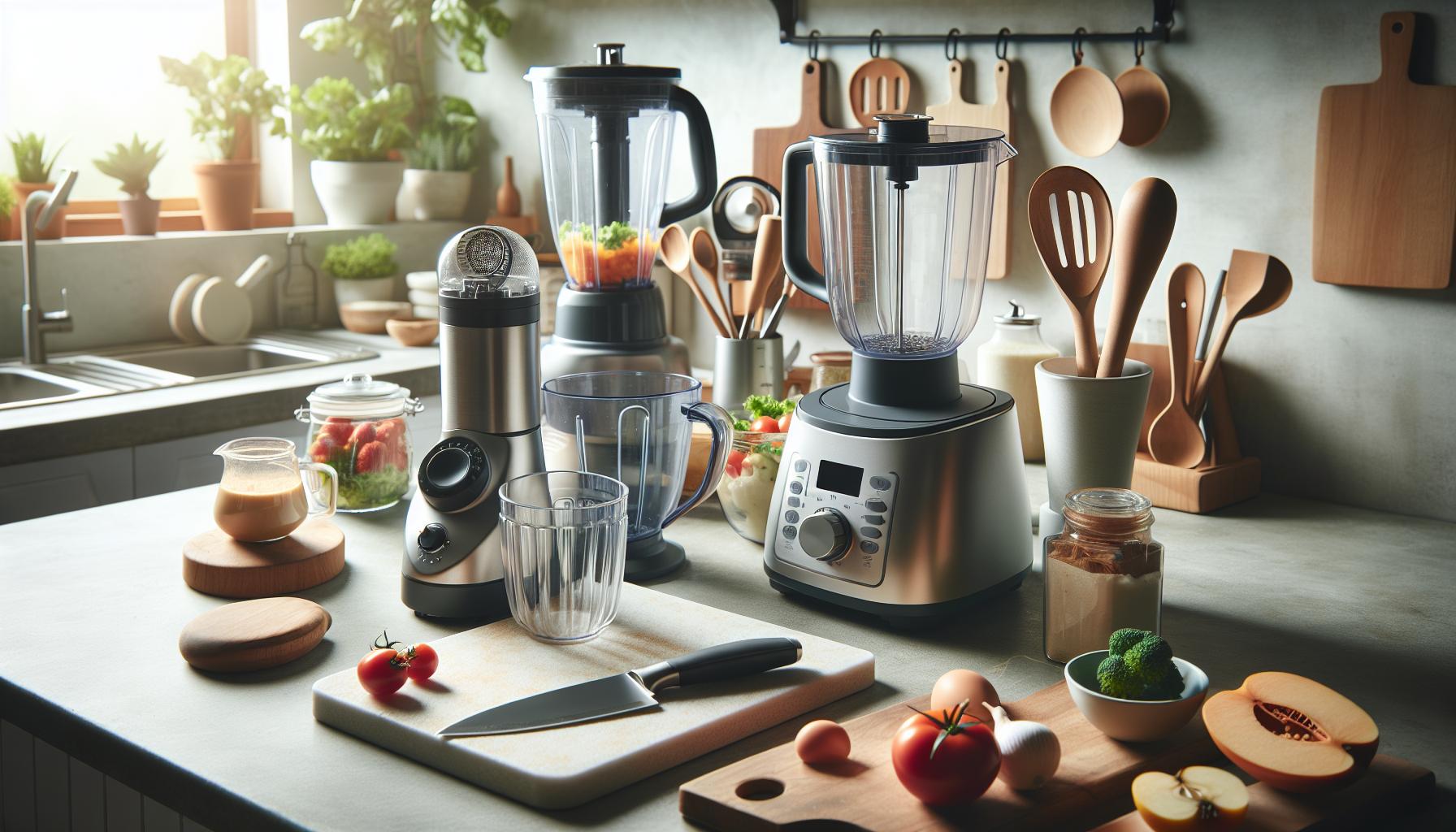
Top Alternatives to Food Mills: Exploring the best Tools for Pureeing
When it comes to achieving that perfectly smooth purée, a food mill is often hailed as a kitchen essential. However, if you’re short on space or looking for versatile alternatives, there are several handy tools at your disposal that can simplify the pureeing process without compromising on quality. Let’s explore some of the best substitutes for a food mill that can help you create delicious and creamy mixtures with ease.
Blender: Speed and Convenience
A high-speed blender is a powerful alternative that can quickly puree fruits, vegetables, and even soups into a silky consistency. Whether you’re making smoothies, sauces, or soups, blenders can handle a variety of textures with adjustment of the speed and blending time. For the best results, work in small batches and add liquid as needed to help with the blending process. keep in mind, however, that blenders can sometimes trap seeds or skins in their blades, so if you’re after an ultra-smooth purée, straining the mixture afterwards may be necessary.
Food Processor: Versatile and Efficient
Food processors are incredibly versatile and can be used to blend, chop, and puree ingredients. Unlike blenders, they excel at handling thicker mixtures. You can use the standard blade attachment to achieve a nice consistency. To create a smoother texture, you may have to run the mixture through a fine sieve or a mesh strainer post-processing. This tool is great for those who want to save time without sacrificing texture quality, as it allows for larger batches compared to a food mill.
Potato Ricer: A Compact Solution
If you’re specifically dealing with soft fruits or cooked vegetables, consider using a potato ricer. This compact tool is designed to create light and fluffy purees and works similarly to a food mill but is frequently enough easier to store. It’s perfect for mashed potatoes, apples, and even cooked carrots. Simply fill the ricer with your ingredient, squeeze the handles, and watch as it transforms into a smooth, lump-free purée.
Other Handy Alternatives
Beyond blenders, food processors, and potato ricers, there are a few more options to consider for your pureeing tasks:
- Immersion Blender: Perfect for blending soups directly in the pot, it’s a space-saving choice that many cooks adore.
- Mesh Strainer: For those who prefer a hands-on approach, a mesh strainer can be paired with a spatula to push ingredients through for a smoother consistency.
- Fork or Masher: For a rustic texture, a simple fork or potato masher can suffice, especially for soft foods.
Ultimately, the best substitute for a food mill will depend on your specific needs and kitchen space. With these tools in hand,achieving that perfect purée is simpler than ever,making your cooking more enjoyable and efficient. Whether you’re whipping up a comforting soup or a decadent dessert, these alternatives will help streamline the process and deliver exceptional results.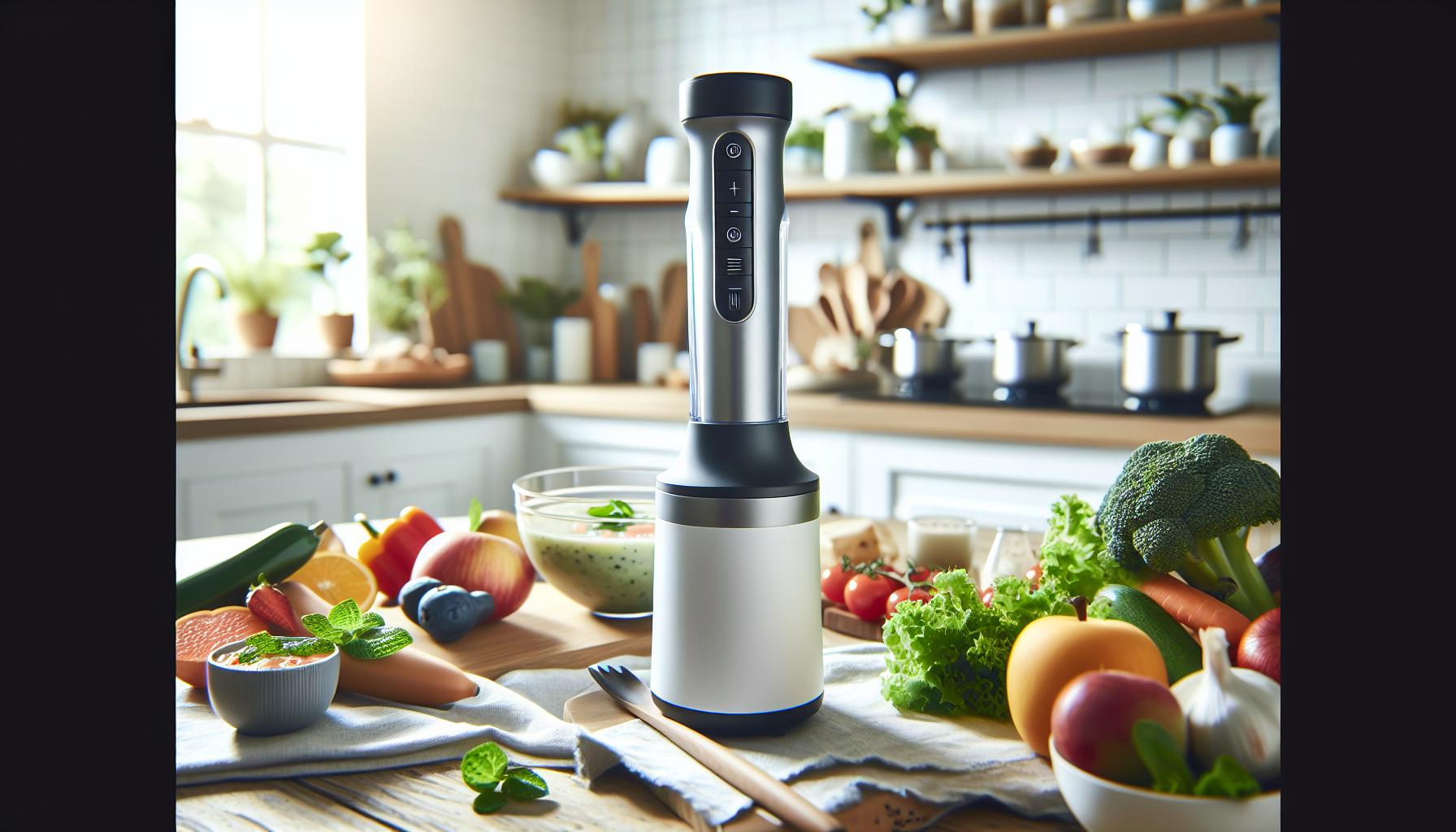
Handheld blenders: The Versatile Kitchen Companion for Smooth Textures
When it comes to achieving perfectly smooth textures in your cooking, few tools are as effective and versatile as handheld blenders. These compact devices are not only easy to use but also incredibly efficient in creating purees, soups, sauces, and even smoothies right in the comfort of your own kitchen. Whether you’re whipping up a creamy butternut squash soup or blending vegetables for baby food, a handheld blender is an indispensable alternative to a conventional food mill.
Why Choose Handheld Blenders?
Handheld blenders, also known as immersion blenders, bring convenience to your culinary tasks. They eliminate the need for transferring hot liquids to a blender, reducing mess and minimizing the risk of burns. Simply immerse the blender directly into your pot, and in seconds, achieve the texture you desire. This ability to blend directly in the cooking vessel not only saves time but also ensures that flavors meld seamlessly.
Some key benefits include:
- compact Design: Perfect for kitchens with limited storage space, many models can be easily tucked away in a drawer or cabinet.
- Variable Speed Options: Many handheld blenders come equipped with speed settings, allowing you to control the blending process from low to high, creating everything from chunky salsa to velvety sauces.
- Easy to Clean: Most models feature detachable blades that can be easily rinsed or placed in the dishwasher, making cleanup a breeze.
Choosing the Right Handheld Blender
When selecting a handheld blender, consider your specific culinary needs.Features such as power,speed settings,and additional attachments can greatly enhance your blending experience. For example, some blenders come with whisk or chopper attachments, providing extended functionality beyond simple pureeing.
Here’s a comparison of popular models available in 2024:
| Model | Wattage | Speed Settings | Additional Features |
|---|---|---|---|
| Cuisinart Immersion Blender | 300W | Variable | Whisk & Chopper Attachments |
| Mueller Austria Hand Blender | 500W | Variable | Mixing Cup & Ejectable Blades |
| nutribullet Immersion Blender | 600W | Variable | Compact Storage Design |
Incorporating a handheld blender into your kitchen toolkit not only streamlines your food prep but also opens the door to a world of culinary creativity. From smoothies to soups, this handy tool serves as an excellent substitute for a food mill, making pureeing simple and accessible for everyone. Whether you’re a seasoned chef or a home cook, the hand blender stands out as the versatile kitchen companion you didn’t know you needed.
The Power of a High-Quality Blender: Creating Smoothies and Purees Effortlessly
the modern kitchen is transformed by the versatility of high-quality blenders, making the task of creating smoothies and purees not just effortless but also enjoyable. With their powerful motors and sharp blades, these appliances can seamlessly blend even the toughest ingredients, yielding a smooth consistency that is perfect for everything from morning smoothies to baby food purees. Investing in a blender that excels in these tasks can simplify meal prep and encourage healthier eating habits by allowing for easy integration of fruits and vegetables into daily diets.
why Choose a High-Quality Blender?
When considering a substitute for a food mill, high-quality blenders stand out due to their multi-functional capabilities. unlike traditional tools that may require hand-cranking or manual effort, blenders harness the power of speed and precision to achieve the desired texture quickly. Many models offer various speed settings and attachments that cater to different blending needs,enabling the user to create:
- Smoothies: Combine your favorite fruits,vegetables,and liquids to whip up nutritious drinks in seconds.
- Purees: Ideal for baby foods or soups, allowing you to control the consistency without the effort of a food mill.
- Nut Butters: Transform whole nuts into creamy spreads with ease.
Choosing the Right Blender
To maximize your blending experience,it’s crucial to choose a model that aligns with your culinary needs. The market features various options, such as the Vitamix Ascent Series, known for its durability and powerful motor, proving particularly effective for creating silky smooth purees. for those looking for an all-in-one baby food maker, the Baby Brezza One Step Baby Food Maker excels by both steaming and blending in a single appliance, which simplifies the process of preparing homemade baby food.
| Blender Model | Key Features | best For |
|---|---|---|
| Vitamix Ascent Series | Powerful motor, various speed settings | Smoothies, purees, soups |
| Baby Brezza One Step | Steamer and blender combo | Homemade baby food |
| Magic Bullet | Compact design, personal servings | Quick smoothies, one-serving purees |
By embracing the power of high-quality blenders, home cooks can easily replace less efficient tools like food mills. This shift not only enhances the cooking experience but also promotes a nutritious lifestyle, making it simple to incorporate wholesome ingredients into everyday meals. Whether you’re making smoothies for breakfast or pureeing fruits and vegetables for your baby’s meals, a good blender is an invaluable tool in the kitchen.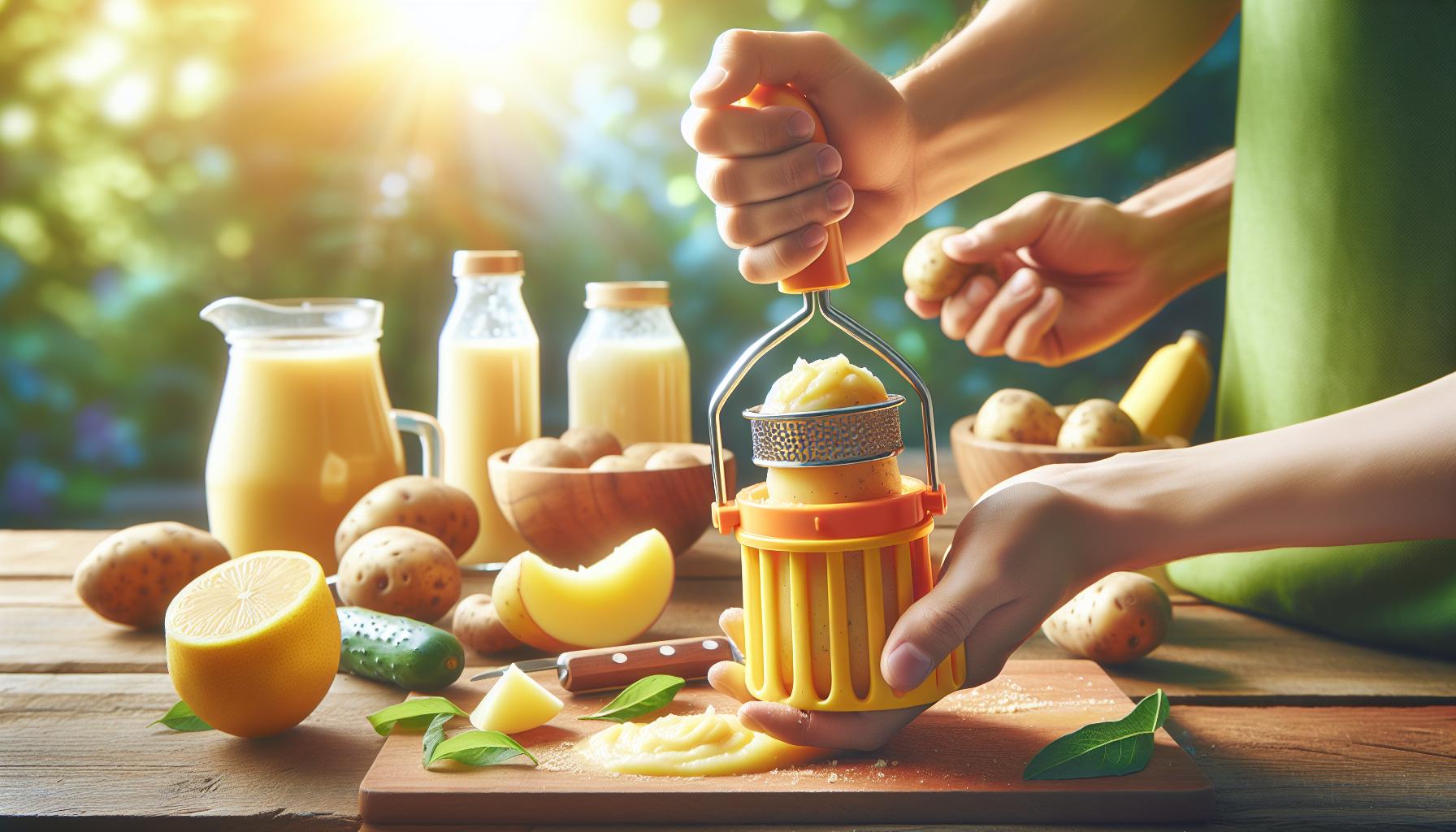
how to Use a Potato masher for Baby Food and Beyond
Using a potato masher is a fantastic way to create homemade baby food without the need for expensive gadgets. Perfect for parents who want to ensure their little ones are eating healthy, mashed foods can be both nutritious and incredibly easy to prepare right at home. This simple tool can make the process of preparing baby food much smoother, safer, and more enjoyable for both you and your tot.
Getting Started with Your Potato Masher
Begin with cooked fruits or vegetables, as they will be much easier to mash. Popular choices include sweet potatoes,avocados,peas,and bananas. Always ensure that the food is soft enough; as a notable example, steaming vegetables or boiling them until tender is an effective method. Here’s how you can efficiently use a potato masher to create the perfect texture for baby food:
- Prepare Your Ingredients: Properly cook and cool your chosen fruits or vegetables.
- Choose Your Masher: Select a sturdy potato masher; those made from stainless steel are ideal for durability and maintaining hygiene.
- Mash Away: Place the cooked food in a mixing bowl and use the masher to mash until you reach the desired consistency, which can range from chunky to smooth depending on your preference.
- Flavor it Up: Feel free to add breast milk, formula, or water to thin out the consistency if needed.
Benefits Beyond Baby Food
The beauty of a potato masher extends far beyond just preparing baby food. This versatile tool can be used in various culinary applications, such as mashing potatoes, avocados for guacamole, and even mixing up pancake batter. For anyone looking for a substitute for a food mill, a potato masher provides a simple yet effective solution for pureeing and mashing tasks.
Here’s a quick comparison of where a potato masher excels versus other kitchen gadgets:
| Tool | Best for | Ease of Use | Price Range |
|---|---|---|---|
| Potato Masher | Mashing & Pureeing | Very Easy | Low |
| Food Mill | Fine Pureeing | Moderate | High |
| Blender | Liquidizing | Easy | Moderate |
embracing the potato masher not only simplifies the process of making baby food but enhances your cooking experience overall. It’s a handy tool that invites creativity into everyday meal prep,making it easier to whip up healthy concoctions for the whole family.With minimal effort, you can ensure that your baby’s first foods are both wholesome and delicious.
Sieves and Strainers: Simple Techniques for Straining and Pureeing
Mastering the Art of Straining and Pureeing
Straining and pureeing are fundamental techniques in the kitchen that can elevate your dishes, whether you’re preparing a soup, sauce, or a smooth baby food.While many may turn to a food mill for these tasks,there are effective alternatives that can simplify the process without compromising on texture or taste.Understanding the right tools, such as sieves and strainers, can definitely help you achieve the desired consistency with ease.
Choosing the Right Tool
To start, it’s essential to select the appropriate type of sieve or strainer based on what you’re trying to achieve. A few options include:
- Fine Mesh Strainers: Ideal for removing small particles and achieving smooth textures.They allow for great control while straining through sauces or stocks,ensuring you’re left with only the finest liquid or puree.
- Colanders: Perfect for larger batches where you need to drain pasta or rinse vegetables quickly.
- Chinois: A conical strainer that’s excellent for making silky sauces and soups, offering a beautiful finish.
For instance,a fine mesh strainer like the Rösle Stainless Steel Strainer is highly regarded for its sturdy construction and ability to catch even the smallest particles, making it a standout choice for achieving a refined puree or sauce [[1]].
simple Techniques for Effective Pureeing
When you’re ready to puree, the method you choose can significantly affect the final product. Here’s how to get the best results:
- Preparation: Start by cooking your ingredients until they are soft—this encourages smoother blending. Roasting vegetables, for example, can enhance flavors while softening them for easier pureeing.
- Straining Process: Transfer your ingredients into your chosen strainer over a bowl or pot. Use the back of a ladle or spatula to press down, allowing the liquid to pass through while keeping solids behind. This method is particularly useful for creating smooth purees without any lumps.
- Refining Texture: If you desire an even smoother consistency, you can run your strained puree through a food processor or blender after straining. This two-step process ensures that every particle is broken down, resulting in an exceptionally velvety mixture—perfect for soups or sauces.
Quick Comparison: Sieves and Strainers
| Tool | Best For | texture achieved |
|---|---|---|
| Fine Mesh Strainer | Soups, Sauces, Juices | Silky Smooth |
| Colander | Pasta, Rinsing Veggies | Coarse Strain |
| Chinois | High-End Sauces | Ultra Smooth |
With these simple techniques and the right tools at your disposal, straining and pureeing can become seamless tasks in your cooking repertoire. By mastering these methods, you won’t just replicate the effects of a food mill—you’ll cultivate your own culinary finesse.
Immersion Blenders vs. Food Mills: which is Right for Your Cooking Style?
Understanding Immersion Blenders and Food Mills
When it comes to achieving silky-smooth purees in your kitchen, choosing the right tool can significantly affect your cooking experience. Immersion blenders and food mills are both popular choices but serve different culinary purposes and cater to various cooking styles. Recognizing their unique benefits can definitely help you decide which one aligns with your kitchen needs.
Immersion Blenders: These handheld devices offer versatility and convenience. They allow you to blend directly in the pot, making them perfect for soups, sauces, and other liquids. with varying speeds and attachments, immersion blenders can handle softer ingredients and provide a smoother consistency. For instance, if you’re preparing a creamy tomato soup, you can quickly blend the cooked tomatoes and seasonings right in the pot without the hassle of transferring to a conventional blender.
- Quick cleanup: As blending occurs in the cooking vessel, there’s minimal dishwashing.
- Compact design: Immersion blenders are often lighter and more storage-friendly than bulky countertop blenders.
Food Mills: On the other hand, food mills excel at creating purees and separating skins and seeds from fruits and vegetables. This traditional tool is ideal for recipes where texture is essential, such as making applesauce or pureeing vegetables for baby food. It produces a coarser texture than immersion blenders, allowing for a more rustic finish in dishes.
- Texture control: Food mills allow for selective consistency, letting you achieve your desired puree or mash.
- No electricity required: Perfect for outdoor cooking or during power outages.
Choosing the Right Tool for Your Cooking Style
Determining which kitchen tool is better suited for you often boils down to your cooking style. If you frequently whip up soups and sauces and value efficiency, an immersion blender might be your best bet. Conversely, if you enjoy making homemade sauces that require a smooth finish without seeds or skins, a food mill will serve you well.
| Feature | Immersion Blender | Food Mill |
|—————————-|————————————-|————————————-|
| Ease of use | Easy, direct blending in pots | Requires more effort to cranks |
| Texture achieved | Smooth consistency | Varied texture, coarser options |
| Cleanup | Quick and simple | More parts to clean |
| Power requirement | Electric (with battery options) | Manual, no power needed |
Ultimately, both immersion blenders and food mills simplify the process of creating purees, showcasing how tools can enhance your culinary creations. Depending on your preferences, having both can cover a wider range of recipes, enabling you to experiment further and develop your cooking repertoire.
Consider your typical cooking tasks and the textures you prefer. Incorporating these handy tools into your kitchen arsenal can help you elevate your culinary game and create dishes that just might impress even the toughest critics!
Step-by-Step: Making Purees Without a food Mill Using Everyday Kitchen Tools
Creating homemade purees doesn’t require specialized equipment like a food mill. With a few common kitchen tools, you can whip up delicious and nutritious purees for your meals. Whether you’re preparing baby food or looking to enjoy velvety soups and sauces, using everyday items can make the process both simple and effective.
Choosing Your Tools
When it comes to pureeing, several handy substitutes can get the job done. Here are some of the most useful tools you likely already have in your kitchen:
- Blender: Perfect for larger batches and achieves a smooth consistency. Best for broth-based soups or fruits with higher liquid content.
- Food Processor: Great for thicker purees and ideal for making dips or blending vegetables.
- Immersion Blender: Offers convenience for pureeing soups directly in the pot with less cleanup.
- Masher or Fork: While more labor-intensive, these tools work well for softer foods like bananas or cooked potatoes.
Step-by-Step Pureeing techniques
Using these everyday kitchen tools is easy. Here’s how to make your purees without a food mill:
- Preparation: Start by cooking your ingredients until soft, whether they are fruits, vegetables, or legumes. Steaming or boiling usually works best.
- Initial Blending: For blenders and food processors, place your cooked items in the container, add a little liquid (water, broth, or milk) for a smoother texture, and blend until you reach your desired consistency.
- Fine-tuning the Texture: If using an immersion blender, directly blend the ingredients in your cooking pot or bowl. Move it up and down to achieve an even puree. A masher or fork works well for softer ingredients—just press and mash until smooth.
- Adjust flavors and Consistency: Taste your puree and adjust seasonings as needed. If it’s too thick, gradually add more liquid while blending until you achieve your ideal smoothness.
Using these tips, you can easily make delightful purees that are not only nutritious but can also cater to any texture preferences. Embracing common kitchen gadgets as substitutes for a food mill opens up a world of culinary creativity right in your home kitchen.
Tips for Choosing the Right Substitute Based on Your Pureeing Needs
Understanding Your Pureeing Needs
Choosing the right substitute for a food mill can significantly enhance your cooking experience, especially when it comes to preparing sauces, soups, and purées. Each method of pureeing has its strengths and weaknesses, so it’s essential to consider the desired texture and consistency of your end product. As a notable example,if a silky-smooth finish is what you’re after,a food processor might suffice,but you may need to strain the mixture afterward for the best results.
Common Substitutes and Their Uses
When it comes to alternatives for a food mill, several options can definitely help you achieve the perfect purée. Here are a few handy substitutes:
- Blender: Ideal for a variety of purées, a blender can effectively handle cooked vegetables and fruits. Remember to add a bit of liquid for smoother results, and blend in batches if you’re working with large quantities.
- Food Processor: This is a very close alternative. Use short pulses to prevent overheating and ensure an even texture, but be prepared to use a sieve if you end up with chunks.
- Immersion Blender: Great for soups and sauces, this handheld device allows you to blend ingredients directly in the pot, minimizing cleanup while providing a good consistency.
- Mortar and Pestle: For smaller batches or when you’re after a rustic texture, this age-old tool can impart unique flavors while grinding ingredients to your desired consistency.
Choosing the right Tool
Consider the primary ingredient you are working with. As an example, if you’re pureeing tomatoes, using a blender or immersion blender can yield better results, compared to a food processor which might leave some chunks behind. According to an effective strategy, blending canned crushed tomatoes, an alternative to fresh whole tomatoes, can save time without sacrificing quality[[2]](https://food52.com/hotline/27393-instead-of-trying-to-mill-whole-tomatoes-when-i-don-t-have-a-mill-can-i-substitute-the-same-size-can?srsltid=AfmBOoqMDvONn1oKR9lOL8-2L0ywQ2Y7PEVwzmYeLRY4Y_8T_iEdTZz6).
Here’s a simple comparison of the different tools to help you decide:
| Tool | Best For | Texture Achieved |
|---|---|---|
| Blender | Sauces, smoothies | Very smooth |
| Food Processor | Chopped vegetables, dips | Chunky to smooth |
| Immersion Blender | Soups | Variable, depending on technique |
| Mortar and Pestle | Herbs, small batches | Coarse to smooth |
By understanding your specific pureeing needs and the characteristics of each tool, you can easily select the right substitute that aligns with your cooking process.Embrace these substitutes to make your cooking simpler and more enjoyable!
DIY Hacks: Creative Ways to Puree When You’re in a pinch
When it comes to feeding your little one, having the right tools for pureeing food can make all the difference.But what do you do when you’re in a pinch and don’t have a dedicated food mill? Fear not! There are plenty of creative solutions that can help you whip up smooth, nutritious baby food without breaking a sweat.
Alternative Pureeing Tools
If you find yourself without a traditional food mill, look around your kitchen for these handy tools that can do the job just as well:
- Blender or Food Processor: these appliances are excellent for pureeing fruits and vegetables quickly. just chop your ingredients into smaller pieces, add a splash of water, and blend until smooth.Remember to pause occasionally to scrape down the sides for an even consistency.
- Immersion Blender: Perfect for those days when you want to keep cleanup minimal, an immersion blender lets you puree directly in the pot or bowl. Simply immerse it in your cooked food and blend to your desired texture.
- Mesh Strainer or Sieve: For a more manual approach,a fine mesh strainer can serve as a makeshift food mill.Use a spatula to press the cooked food through the sieve, leaving behind any skins or fibrous bits.
- potato Masher: If your baby is ready for a chunkier texture, a potato masher can create delicious mashed fruits or vegetables. This method is also great for fostering self-feeding skills as they grow.
Simple Hacks for Easy Pureeing
No food mill? No problem! Here are a few additional tricks to streamline your baby food prep:
| Hack | Description |
|---|---|
| Cook and Freeze | Prepare large batches of baby food, puree them, and freeze in ice cube trays. This way, you have ready-to-use portions on hand for quick meals. |
| Add Liquid | When pureeing tougher ingredients like carrots or sweet potatoes, adding a bit of broth or breastmilk can help achieve a smooth consistency. |
| Steam First | Cooking vegetables through steaming retains most nutrients and makes them easier to puree. Simply chop, steam, and blend! |
These methods showcase how a little creativity can turn your kitchen into a mini baby food factory, proving that a substitute for a food mill doesn’t have to be intricate. Embrace the process and enjoy the ease of making wholesome meals for your baby, even on the busiest of days!
FAQ
What are the best substitutes for a food mill when pureeing food?
A food mill is a handy kitchen tool that many home cooks rely on for making smooth purees, especially for fruits and vegetables.However, if you don’t have one, several substitutes can effectively achieve similar results.
- Food Processor: This is perhaps the most versatile substitute. Simply chop your ingredients into small pieces and pulse them in the processor until desired consistency is reached. Tip: For a smoother texture,you might want to strain the mixture afterward to remove any seeds or bits How do I use a food processor as a replacement for a food mill?
Using a food processor as a replacement for a food mill is straightforward. Start with your ingredients chopped into smaller pieces to ensure even blending.
- Preparation: Wash and cut your fruits or vegetables into smaller chunks. For softer produce, such as cooked potatoes or steamed carrots, you will have an easier time achieving a nice puree.
- Blending: Place the chopped pieces into the food processor. Pulse it a few times, then run it continuously until you reach the desired consistency. If you’re processing somthing with seeds or fibrous parts, consider running it through a fine mesh sieve or cheesecloth afterward to remove any unwanted bits.
- Final Touches: Adjust the texture by adding a bit of liquid if needed or blending longer for a smoother result. using a spatula to scrape down the sides can help ensure even blending.
What other tools can effectively puree food?
If you’re looking for alternatives to a food mill, you have several other tools at your disposal:
- Potato Ricer: Excellent for mashed potatoes and softer fruits, the potato ricer gives a light, fluffy puree. To use, simply press the cooked potatoes or fruit through the ricer into a bowl.
- Tamis: This is a fine mesh strainer that can also be used for pureeing. It requires manual labor as you will need to press the food through with a spatula. It is effective for making sauces because it produces a very smooth texture.
- Manual Hand Mixer: This tool can whip up ingredients while providing some blending action, though it may not achieve the same smoothness as a food mill.
Can I make purees with a blender for baby food?
Yes, a blender is an excellent tool for preparing homemade baby food. It allows parents to control the ingredients and texture of what their baby eats. Here’s how you can do it effectively:
- Cooking Ingredients: Steam or boil vegetables and fruits until they are very tender. This helps in blending them smoothly.
- Blending Material: Place the cooked food into the blender and add a little liquid (like water, broth, or breastmilk) to help it blend easily.
- Adjust Texture: Start blending on a low setting and gradually increase to ensure no chunks remain. You can add more liquid to achieve a smoother consistency ideal for babies.
What are the pros and cons of using an immersion blender?
Immersion blenders, or stick blenders, are a popular alternative for pureeing soups and sauces directly in the pot. Each tool has its advantages and disadvantages.
Pros:
- convenience: You can blend directly in your cooking pot, which minimizes cleanup.
- Versatility: Ideal for soups, smoothies, and even whipping cream.
- Compact: Takes up less storage space compared to larger blenders.
Cons:
- Texture Control: It might potentially be challenging to achieve a very fine puree, especially for tougher ingredients.
- Power: Depending on the model, some immersion blenders may struggle with dense materials.
How do I ensure the best results when pureeing food?
Achieving a great result when pureeing food involves some simple tricks and tips:
- Cook Ingredients Thoroughly: Always cook your fruits and vegetables until they are soft, making them easier to blend.
- Cut Evenly: Chop your ingredients into uniform sizes to ensure even cooking and blending.
- Season Properly: Don’t forget to season your puree as you go. Adding a bit of salt or spices can significantly enhance the flavor of your purees.
- Texture Preference: If you prefer smooth textures, invest time in straining after blending, especially for fruits with seeds or skins.
By considering these tools and tips, you can achieve excellent purees without a food mill, making your cooking process simpler and more enjoyable.
To Conclude
Conclusion: choosing the Right Food Mill Substitute
when it comes to pureeing fruits and vegetables without a food mill, there are several effective alternatives that can simplify your cooking experience. Here are the key points:
Top substitutes for a Food Mill:
- Food Processor: Ideal for quick and efficient pureeing.
– Steps:
1. Chop your ingredients into manageable pieces.
2. Blend until you achieve the desired consistency.- Blender: Great for smoothies and soups.
– steps:
1. Add your ingredients and a little liquid for better blending.
2. Blend on high until smooth, using a tamper to help mix if necessary.- Potato Masher: Good for small batches, especially potatoes.
– Steps:
1. Cook and soften your ingredients.2.Mash until you reach your preferred texture.- Sieve or Fine Mesh Strainer: For a smoother result without a machine.
– Steps:
1. Cook and soften ingredients.
2. Press through the sieve using a spatula for a fine puree.Practical Tips:
- Always choose the method that best suits the quantity and texture you desire.
- Remember to adjust the liquid content based on the method you choose for optimal results.
- Experiment with various tools to find what works best for your cooking style.
Get Involved:
Ready to tackle your next recipe without a food mill? Don’t hesitate to try these substitutes and share your experiences! Explore further by checking out the detailed instructions and tips mentioned in our article. Happy cooking!
Make SubstituteEats.com a Preferred SourceGet our latest guides, news, and insights highlighted in your Google Search & AI Overviews.
✓ Preferred Source Added


