

Looking for nutritious alternatives to farro can enhance your meals while catering to various dietary needs. With the rise of gluten sensitivities and a growing appetite for diverse grains, discovering suitable substitutes is essential for maintaining flavor and nutrition. Explore some excellent grain options that not only match farro’s hearty qualities but also provide unique health benefits.
Understanding Farro: Why You Might Seek Alternatives
While farro is celebrated for its nutty flavor and chewy texture, there are several compelling reasons why one might look to alternative grains. Whether it’s dietary restrictions, availability, or the desire for a different taste or nutritional profile, understanding the context for seeking substitutes can open up a world of culinary possibilities.
Dietary Preferences and Restrictions
Many individuals are increasingly adopting specific dietary lifestyles that might exclude farro. Gluten sensitivities, such as, lead many to seek gluten-free options. In such cases, grains like quinoa, buckwheat, or brown rice become excellent alternatives. Quinoa, often labeled a superfood, not only offers a complete protein source but also boasts a considerably lighter texture, making it a versatile choice for various dishes.
Availability and seasonal Considerations
Another reason for opting away from farro is simply its availability. Depending on where you live, farro might not be readily accessible. Instead, grains such as orzo or bulgur can often be found in most grocery stores and provide similar cooking properties. As a notable example, bulgur is pre-cooked and has a speedy cooking time, making it a convenient substitute when you’re in a hurry.
Flavor and Texture Variations
Moreover, flavor profiles and textures are significant factors in selecting alternatives. While farro has a robust, earthy flavor, you may prefer something lighter or sweeter. For dishes where a different texture could enhance the meal, consider using freekeh, which is roasted green wheat and provides a unique smoky taste alongside a chewy consistency similar to farro.Ultimately,the decision to seek out substitutes for farro frequently enough revolves around these practical considerations,enabling cooks to explore a range of grains that seamlessly fit into thier dietary needs and culinary adventures. Below is a comparison of some popular substitutes and their characteristics:
| Substitute | Texture | Flavor | Gluten-free |
|---|---|---|---|
| Quinoa | Softer, fluffy | Nutty | Yes |
| Bulgur | Chewy | Earthy | No |
| Freekeh | Chewy | Smoky | No |
| Brown Rice | Chewy | Mild | Yes |
By exploring these alternatives, you can easily discover what works best for your dishes while still reaping the nutritional benefits typically associated with farro.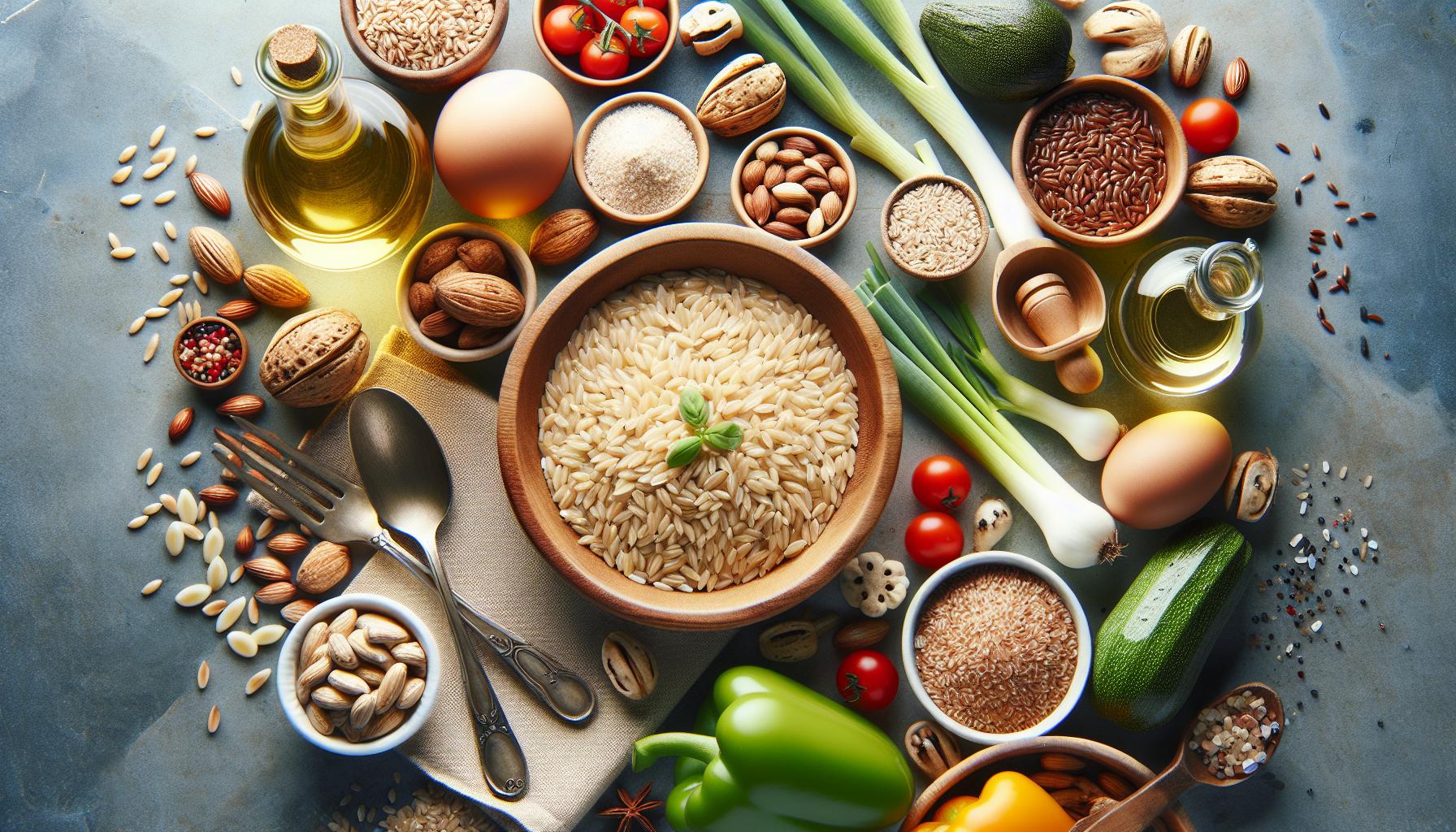
Nutritional Profile of Farro vs. Other Grains
Farro stands out among ancient grains for its nutrition density and culinary versatility. With its nutty flavor and chewy texture, it’s not just a tasty addition to meals but also a powerhouse of nutrients. Comparing farro with other grains can help you make informed choices for a balanced diet, especially when considering good substitutes for farro.
Nutritional comparison
When we assess the nutritional profile of farro, it becomes evident why this grain earns the title of a superfood. A one-quarter cup serving of uncooked whole-grain farro contains approximately 170 calories, 34 grams of carbohydrates, 5 grams of fiber, 1 gram of fat, and 6 grams of protein [[1]]. This makes it an excellent choice for those looking to enhance their intake of fiber and protein, vital macronutrients that support digestive health and muscle maintenance.
In comparison, here’s how farro stacks up against a few other common grains:
| Grain | Calories (per 1/4 cup uncooked) | Carbohydrates (g) | Fiber (g) | Protein (g) | Fat (g) |
|---|---|---|---|---|---|
| Farro | 170 | 34 | 5 | 6 | 1 |
| Quinoa | 160 | 29 | 5 | 6 | 2.5 |
| Bulgur | 150 | 29 | 8 | 5.5 | 0.5 |
| Brown Rice | 170 | 35 | 4 | 4.5 | 1.5 |
Health Benefits
Choosing farro over more processed grains can lead to numerous health benefits, particularly due to its high fiber content, which aids in maintaining a healthy digestive system and preventing constipation. Furthermore, the protein content in farro makes it an ideal option for plant-based diets, providing essential amino acids necessary for various bodily functions [[2]].
If you’re considering alternatives, grains like quinoa and bulgur serve as nutritious substitutes for farro. Quinoa offers a complete protein profile and is gluten-free,making it a great option for those with dietary restrictions. Bulgur,conversely,boasts even higher fiber content,promoting a sense of fullness and aiding in weight management.
While exploring good substitutes for farro,think beyond just nutrition. Incorporating a variety of grains into your diet not only enhances flavors and textures in your meals but also ensures a diverse intake of nutrients crucial for overall health. This approach can transform typical dishes into exciting epicurean experiences, inviting you to discover new recipes and flavor combinations that celebrate both farro and its substitutes.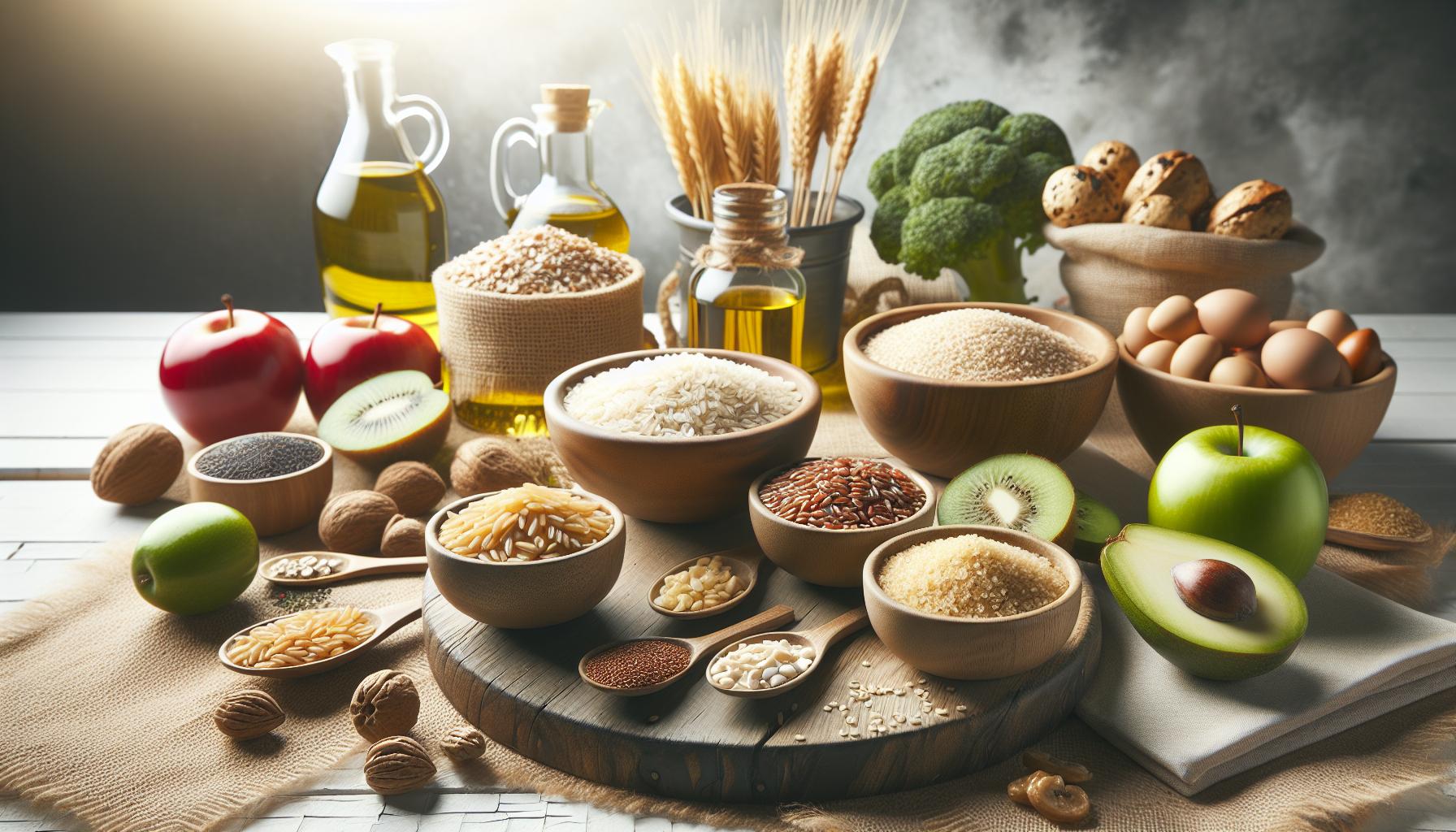
Top Nutritious Alternatives to Farro You Can Try
When seeking nutritious alternatives to farro, it’s essential to recognize that this ancient grain offers both flavor and health benefits, making it a popular choice for many. However, if you’re looking to switch things up or need suitable substitutes for dietary preferences, there are several excellent options to consider.
Quinoa: the Complete Protein
Quinoa stands out as a remarkable substitute for farro due to its high protein content and complete amino acid profile.This gluten-free grain provides a nutty flavor and a fluffy texture when cooked, making it an ideal base for salads, bowls, or as a side dish.Like farro, quinoa is rich in fiber, B vitamins, and minerals such as magnesium and phosphorus. For added variety, try mixing different colored quinoa in your dishes for a visually appealing touch.
Barley: A Chewy Delight
Barley is another fantastic alternative that closely mirrors the chewy texture of farro. It is packed with dietary fiber and can promote digestive health while also lowering cholesterol levels. Barley works wonderfully in soups,stews,and even as a risotto base. When choosing barley, opt for hulled or pearled varieties—hulled barley retains more fiber and nutrients compared to pearled, which is stripped of its bran layer.
Freekeh: The Ancient Grain
freekeh,or roasted green wheat,offers a unique smokiness along with its nutritious profile,making it an exciting substitute for farro in various dishes. This grain is high in fiber and protein, which aids in satiety and digestion. Its preparation is simple: just cook it in water or broth, and it can be easily integrated into salads, pilafs, or as a side dish. The distinct flavor of freekeh can elevate your meals while providing a nutritional boost.
Simple Comparison Table
| Grain | Protein (per 100g) | Fiber (per 100g) | Gluten-Free |
|---|---|---|---|
| Farro | 6g | 7g | No |
| Quinoa | 14g | 7g | Yes |
| Barley | 12g | 17g | No (but less gluten) |
| Freekeh | 13g | 12g | No |
Incorporating these nutritious grains as substitutes for farro can not only add variety to your meals but also enhance your nutrient intake. Experiment with different grains based on your dietary needs and taste preferences – your body and palate will thank you!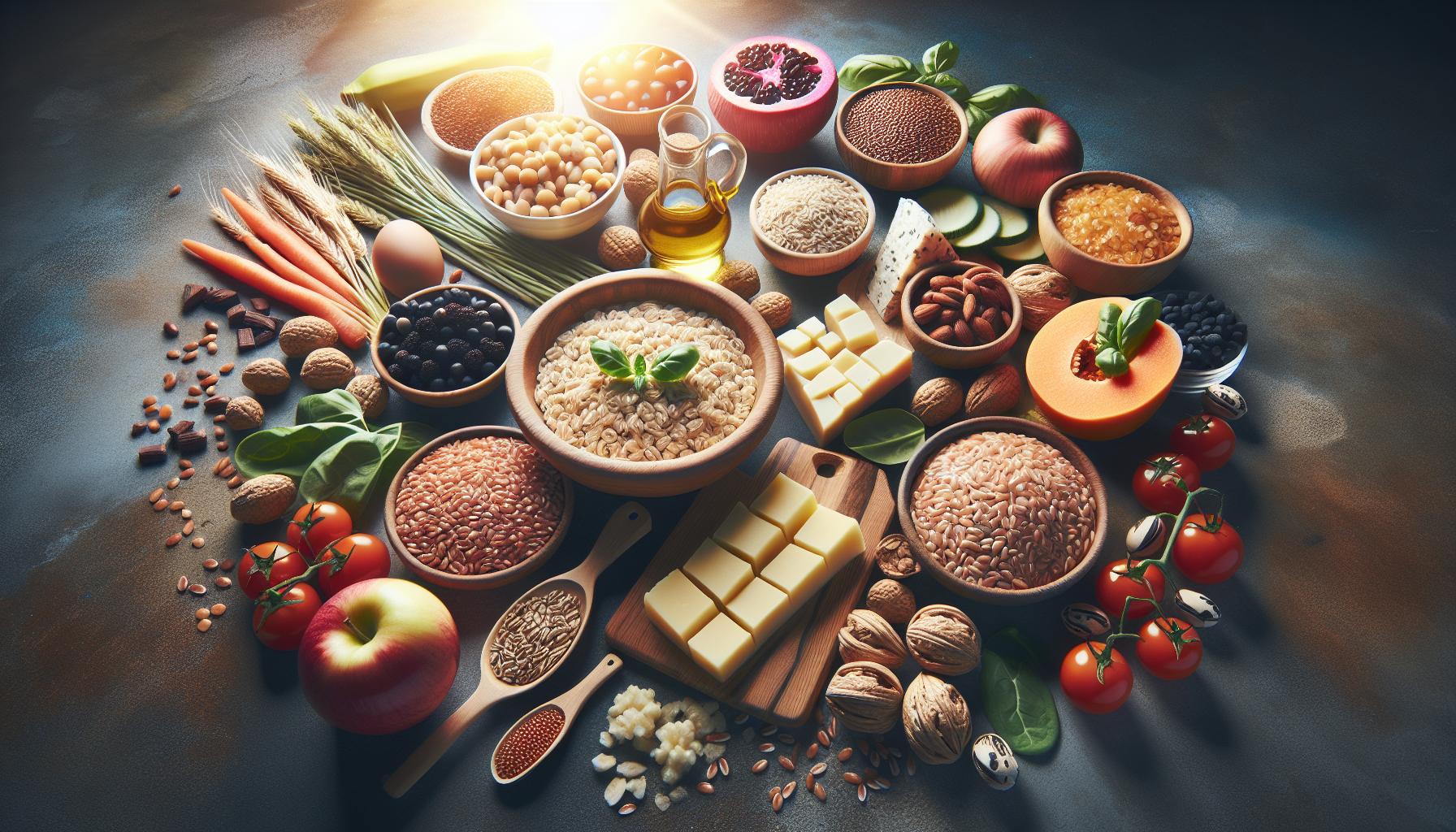
Cooking Techniques: How to Prepare Each Grain
Mastering the Art of Cooking Grains
Cooking grains is both an art and a science,allowing you to unlock a universe of flavors and textures. When considering a good substitute for farro, it’s crucial to note the unique qualities of each grain and how best to prepare them to enhance their nutritional benefits. Whether you’re opting for quinoa, barley, or millet, mastering the cooking techniques for these nutritious grains will elevate your dishes and enrich your diet.
Essential Cooking Methods
Several methods can be utilized for cooking grains, each suited to different types and desired textures. Below are some common techniques:
- Boiling: Most grains, including quinoa and barley, can be boiled in salted water or broth. Use a standard ratio of 2 cups of liquid for every 1 cup of grain. Bring to a boil, then reduce to a simmer until the liquid is absorbed.
- Sautéing: For an extra nutty flavor, sauté grains like farro or couscous in a bit of olive oil before adding liquid. This method typically enhances their aroma and taste.
- Slow Cooking: This technique is ideal for tougher grains such as brown rice or wild rice. Add grains and liquid to a slow cooker—typically 4 cups of liquid for every cup of grains—and let them cook on low for 6 to 8 hours for a hands-off approach [[3](https://nutritionstudies.org/cooking-power-packed-whole-grains/)].
- Pressure Cooking: For a quick and efficient cooking solution, you can use a pressure cooker.Grains like millet and quinoa can be ready in a fraction of the time while still yielding fluffy results.
Cooking Table for Common grains
Below is a quick reference table to help you with the cooking times and liquid ratios for various grains:
| Grain | Liquid Ratio (Liquid:Grain) | Cooking Time |
|---|---|---|
| Brown Rice | 2.5:1 | 40-50 minutes |
| quinoa | 2:1 | 15 minutes |
| barley | 3:1 | 40-60 minutes |
| Millet | 2:1 | 20 minutes |
These techniques and tips not only help in achieving the perfect texture but also ensure that you get the most nutritional value from your grains. By mastering these cooking methods,you can seamlessly integrate a variety of nutritious grains that work just as well as farro into your meals,enhancing both flavors and health benefits.
flavor Pairing: Enhancing Your Dishes with Substitute Grains
When experimenting with substitute grains, flavor pairing becomes an exciting avenue to enhance your dishes. Substituting farro with other nutritious grains opens up a world of culinary possibilities, allowing you to introduce unique textures and flavors that can elevate your meals. Grains like quinoa, barley, and bulgur can serve as excellent alternatives while complementing a wide array of ingredients.
Nutritional Benefits and Flavor profiles
Understanding the flavor profiles of these grains is crucial for effective pairing. For instance, quinoa, with its nutty flavor and fluffy texture, works beautifully in salads or as a base for nourishing bowls. Its earthy notes pair well with roasted vegetables, citrus, and fresh herbs. Conversely, barley offers a chewy consistency with a subtle nuttiness, making it perfect for heartier dishes like stews or grain salads. Combine barley with robust ingredients like mushrooms,lentils,or smoky spices for a satisfying meal.To illustrate how to combine these grains with distinct flavors, consider the following table:
| Grain | Flavor Pairings | Ideal Dishes |
|---|---|---|
| Quinoa | Herbs, citrus, roasted veggies | salads, grain bowls |
| Barley | Mushrooms, lentils, spices | Stews, hearty salads |
| Bulgur | Tomatoes, parsley, olive oil | Tabbouleh, pilafs |
Creative Culinary Applications
Beyond simple salads, consider incorporating these grains into various culinary applications. Such as, bulgur offers a quick-cooking option that’s perfect for a fresh tabbouleh, where it can absorb the tangy flavors of lemon juice and the freshness of parsley. Alternatively, try adding cooked barley to your favorite vegetable soups, enriching the broth’s flavor while adding substance.
When baking, explore the warmth and depth of alternative grains like einkorn or spelt.These ancient grains can impart a delightful nuttiness in recipes ranging from bread to pastries, complementing ingredients like honey, butterscotch, or even chocolate. as you explore these pairings, remember that each substitute grain is unique, and experimenting with flavor combinations can lead to deliciously unexpected results. Incorporate diverse grains into your cooking repertoire to not only enhance the taste but also boost the nutritional value of your meals!
Exploring Ancient Grains: More Than Just a Trend
Rediscovering the Value of Ancient Grains
In a world increasingly conscious of health and nutrition, ancient grains are stepping into the spotlight as nutritious alternatives to more conventional staples. These grains, cultivated for thousands of years, not only offer unique flavors and textures but also come packed with essential nutrients that can benefit our dietary needs.When it comes to finding a good substitute for farro, several grains stand out as equally nutritious alternatives worth exploring.
Why ancient Grains Are More Than Just a Trend
Ancient grains like quinoa, millet, and amaranth are not mere fads; they’re time-tested sources of nourishment. take quinoa, for example—it contains all nine essential amino acids, making it a fantastic plant-based protein source. Incorporating these grains into your meals can significantly bolster your fiber intake, which is crucial for heart health. Research indicates that consuming three servings of whole grains daily can lead to a nearly 20% reduced risk of coronary heart disease, highlighting the importance of integrating these foods into your diet [[3]].
Exploring Nutritional Benefits
Incorporating ancient grains into your diet provides a wealth of health benefits. Here’s a quick look at the nutritional benefits of some popular substitutes for farro:
| Grain | Key Nutritional Benefits | Preparation Suggestions |
|---|---|---|
| Quinoa | High in protein, rich in fiber, gluten-free | Use in salads, bowls, or as a side dish |
| Millet | Rich in magnesium and phosphorus, aids digestion | Porridge, pilafs, or baked goods |
| Amaranth | High protein content, source of iron and fiber | Cook as a cereal or add to soups and stews |
How to Incorporate Them?
Experimentation is key when integrating these grains into your cooking repertoire. You can start by substituting farro in your favorite dishes with one of these grains. As a notable example, a quinoa salad can be a great take on the classic farro salad, boasting a light, refreshing flavor that pairs well with vibrant vegetables and zesty dressings. As you explore these options, consider crafting a weekly menu that includes a variety of ancient grains to reap their diverse health benefits while keeping meals exciting and flavorful.
By embracing ancient grains as substitutes for farro, you are not just diversifying your meals but also enriching your diet, ensuring that you’re receiving a broad spectrum of nutrients. This shift in dietary habits not only supports personal health but also reflects a growing awareness and appreciation for foods that have sustained cultures across generations.
Incorporating New Grains into Your meal Plan
Embracing Whole Grains in Your Diet
incorporating a variety of grains into your meals not only enriches your diet but also introduces new textures and flavors that can elevate simple recipes. While farro has gained popularity as a nutritious grain, there are numerous alternatives that can serve as excellent substitutes in a variety of dishes. From quinoa to barley,these grains offer unique benefits and can easily adapt in terms of cooking methods and flavor pairings.
Exploring Alternative Grains
Consider integrating these grains into your weekly meal plan:
- Quinoa: A complete protein that cooks in about 15 minutes,making it a perfect addition to salads or as a side dish.
- Barley: High in fiber, this nutty grain works wonderfully in soups or as a base for a hearty grain bowl.
- Millet: Naturally gluten-free and easy to cook, millet pairs well with vegetables and spices, making it a great addition to stir-fries.
- Brown Rice: A household staple that complements a variety of dishes; its chewy texture adds depth to salads and casseroles.
These grains not only enhance the nutritional profile of your meals but also provide diverse textures and flavors.Such as, try swapping farro for quinoa in a Mediterranean salad, or use barley instead of rice in a traditional risotto for a satisfying twist.
Practical Tips for Meal Planning
To effectively incorporate new grains into your meal plan,consider these practical steps:
- Plan Ahead: Set aside time each week to explore new recipes featuring different grains. Websites like Whole Foods Market’s meal plans can inspire your culinary journey with fresh ideas tailored to grains [3].
- Batch Cooking: Prepare grains in large batches during the weekend.Store them in the refrigerator or freezer for use throughout the week, making meal preparation quicker and more efficient.
- Combine Flavors: Be adventurous! Mix and match grains in your favorite dishes. Such as, try a blend of brown rice and quinoa in stuffed peppers, or create a warm grain bowl topped with roasted vegetables and chickpeas.
- Experiment with Textures: Vary the cooking methods of your grains. For instance, consider toasting quinoa or barley before boiling to add a delightful nuttiness to your dishes.
By gradually replacing or pairing farro with these nutritious alternatives, you’ll not only discover new tastes but also enhance the quality of your meals, aligning perfectly with the ethos of incorporating diverse grains for better health.
Gluten-Free Options: Delicious Grains Without the Wheat
Exploring alternatives to traditional grains opens up a world of delicious and nutritious options, especially for those avoiding gluten. While farro is a beloved choice for many thanks to its nutty flavor and chewy texture, several gluten-free grains can serve as fantastic substitutes. These alternatives not only cater to dietary requirements but also enhance the culinary experience with their unique flavors and health benefits.
Nutritious Gluten-Free grains to Consider
There is a variety of gluten-free grains that can easily replace farro in your meals. Incorporating these grains into your diet can provide essential nutrients frequently enough found in whole grains. Here are some fantastic options to explore:
- Quinoa: Loaded with protein, quinoa is a complete source of amino acids and offers a delightful crunch and fluffy texture when cooked.
- Millet: This ancient grain boasts a mild flavor and can be prepared as a porridge or used in salads, providing essential minerals like magnesium.
- Amaranth: Rich in iron and fiber, amaranth adds a slightly sweet and nutty flavor, making it perfect for pilafs or as a thickener for soups.
- Buckwheat: Despite its name, buckwheat is gluten-free and is known for its antioxidant properties. Use it in pancakes or as a grain bowl base.
- Sorghum: with a chewy texture,sorghum makes an excellent addition to salads and is high in dietary fiber.
- Teff: This tiny grain is packed with nutrients and can be used to make traditional Ethiopian injera or as a thickener in stews.
- Brown Rice: A versatile staple, brown rice can easily replace farro in most dishes and is rich in fiber and B vitamins.
How to Enjoy These Grains
Incorporating gluten-free grains into your meals can be both easy and delicious. Here are some practical steps:
| Grain | Cooking Tips | Serving Ideas |
|---|---|---|
| Quinoa | Rinse before cooking; use a 2:1 water-to-grain ratio. | As a side dish, in salads, or in grain bowls. |
| Millet | Toast in a dry pan for added flavor; use a 2:1 water-to-grain ratio. | Porridge topped with fruits,or in veggie burgers. |
| Amaranth | Simmer for 20 minutes; be prepared for a gooey texture. | As a breakfast porridge or added to baking recipes. |
| Buckwheat | Boil for 15 minutes; can soak overnight for quicker cooking. | In pancakes,granola bars,or soups. |
| sorghum | Cook in boiling water for about an hour; great for salads. | As grain salads, stir-fries, or in baked goods. |
| Teff | Cook with a 3:1 water-to-grain ratio for about 15 minutes. | In baked goods or as injera. |
| Brown Rice | Use a 2:1 water-to-rice ratio; takes about 45 minutes. | As a side, in sushi, or as a base for stir-fries. |
These gluten-free grains not only provide a hearty alternative to farro but also allow for creative exploration in the kitchen. From salads to main courses,these options can elevate your dishes,ensuring you enjoy delicious meals without compromising on health or taste.
Tips for Storing and Preserving Your Grains
Maximizing Freshness: Essential Tips for Grain Storage
Properly storing grains not only prolongs their shelf life but also ensures you maintain their nutritional value and flavor. Whether you’re looking for a good substitute for farro or exploring other nutritious grains that work just as well, understanding the best storage practices is vital.
- Choose the Right container: opt for airtight containers made of glass, plastic, or metal to keep grains safe from air, moisture, and pests. Avoid using cardboard or plastic bags, as they can allow air to enter and degrade the quality of the grains.
- Cool and Dark Locations: store your grains in a cool, dark place. Ideal temperatures range between 50°F to 70°F (10°C to 21°C).Excessive heat can shorten the grains’ shelf life significantly.
- Use Desiccants: To control humidity, consider adding food-safe desiccants or oxygen absorbers in your containers. These will help minimize moisture and maintain grain quality over time.
- Label and Date Your Storage: Always label your containers with the type of grain and date of storage. This practice will help you keep track of freshness and recommended use-by dates.
Understanding Grain Shelf Life
Different grains have varying shelf lives; knowing these can definitely help you prioritize your consumption.Here’s a brief table summarizing the approximate shelf life for several popular grains:
| Grain Type | Shelf Life (Stored Properly) |
|---|---|
| Farro | 5-10 years |
| Quinoa | 4-5 years |
| Brown Rice | 6 months – 1 year |
| barley | 1-2 years |
Utilizing these tips will help you store not only farro but also a variety of other nutritious grains effectively, ensuring a lasting and health-conscious pantry. Adapt these strategies to fit your needs, and you’ll ensure your grains remain a reliable staple in your meals for years to come.
Recipes Featuring Substitutes for Farro: Easy and Delicious Ideas
Farro is praised for its nutty flavor and chewy texture, making it a delightful addition to a variety of dishes. However, if you find yourself without farro or if you’re looking for a healthy alternative, you’re in luck! Many grains can serve as excellent substitutes, allowing you to enjoy similar taste and texture in your meals. Below are some engaging recipes that incorporate nutritious grains that work just as well as farro.
Hearty Quinoa Salad
Quinoa is a fantastic substitute for farro and brings a protein punch with its complete amino acid profile. This refreshing salad is not only easy to make but also packed with vitamins and minerals.
- Ingredients:
- 1 cup quinoa
- 2 cups vegetable broth
- 1 cup cherry tomatoes, halved
- 1 cucumber, diced
- 1/4 cup red onion, finely chopped
- 1/4 cup feta cheese (optional)
- Olive oil, lemon juice, salt, and pepper to taste
Instructions:
1.rinse quinoa under cold water.
2. In a pot, combine quinoa and vegetable broth. Bring to a boil, then reduce heat and simmer for about 15 minutes until liquid is absorbed.
3. Fluff quinoa with a fork and let it cool.
4. Mix all vegetables in a large bowl, add cooked quinoa, and drizzle with olive oil and lemon juice. Season with salt and pepper.
Barley Risotto
If you’re in the mood for something creamy and indulgent, barley makes for a superb farro alternative. This dish keeps the heartiness of risotto while offering a unique twist.
- Ingredients:
- 1 cup pearled barley
- 4 cups chicken or vegetable broth
- 1 onion, diced
- 2 garlic cloves, minced
- 1 cup mushrooms, sliced
- 1/2 cup white wine (optional)
- parmesan cheese, grated
- Fresh parsley for garnish
Instructions:
1. In a saucepan, heat some olive oil and sauté onions and garlic until translucent.
2. Add mushrooms and cook until soft.3.Stir in barley and white wine, letting it absorb for a few minutes.
4. Gradually add broth, one ladle at a time, stirring frequently until barley is tender and creamy, about 30-35 minutes.
5. Stir in Parmesan and garnish with parsley before serving.
Brown Rice and Vegetable Stir-Fry
Brown rice is another excellent substitute for farro, offering a different texture with its nuttiness. This stir-fry is versatile, allowing you to incorporate your favorite seasonal vegetables.
- Ingredients:
- 1 cup brown rice
- 2 cups water
- 1 bell pepper, sliced
- 2 cups broccoli florets
- 1 carrot, julienned
- 1 teaspoon soy sauce
- Sesame oil for cooking
Instructions:
1. Rinse brown rice and cook it according to package instructions.2. In a large skillet, heat sesame oil and sauté bell pepper, broccoli, and carrot until tender-crisp.
3. Add cooked brown rice and soy sauce, tossing to coat the vegetables evenly.
4. Serve warm, garnished with sesame seeds if desired.
These recipes illustrate how to easily substitute farro with other nutritious grains, proving that there are countless ways to enjoy hearty and healthy meals. Whether you choose quinoa, barley, or brown rice, you can create dishes that are just as satisfying and flavorful!
Frequently asked questions
What is farro and why Would I Substitute It?
Farro is an ancient grain known for its nutty flavor and chewy texture, derived from wheat. It is packed with nutrients such as fiber, protein, and various vitamins and minerals, making it a popular choice among health enthusiasts. Though, if you’re unable to find farro or need to cater to dietary restrictions like gluten intolerance, you may wont to explore suitable alternatives.
Substituting farro is not only about replacing one grain with another, but also about maintaining the dish’s texture and enriching the nutritional profile. For instance,many substitutes also provide hearty textures and similar health benefits,making it easier to create delicious and wholesome meals without compromising on flavor or health.
What Are the Best Substitutes for Farro?
Several grains can serve as excellent substitutes for farro, including:
- Barley: Known for its chewy texture, barley is a great alternative that brings a slightly nutty flavor. It is also rich in fiber and minerals.
- Quinoa: This seed is an excellent gluten-free option, providing protein and a slightly milder flavor compared to farro. Though, its texture is softer and less chewy.
- Freekeh: A roasted green wheat that offers similar nuttiness, freekeh is high in fiber and provides a unique taste, making it a fantastic substitute.
Choosing the right substitute often depends on the recipe and personal dietary needs. Such as, quinoa might be better suited for salads, while barley can add heartiness to soups.
How Do I Cook Quinoa as a Substitute for Farro?
Cooking quinoa is straightforward and similar to cooking farro, although the cooking times differ. here’s how to do it:
- Rinse the quinoa under cold water to remove its natural coating, which can present a bitter flavor.
- In a saucepan, combine 1 cup of quinoa with 2 cups of water or broth (for added flavor).
- Bring it to a boil,then reduce the heat to low,cover,and let it simmer for approximately 15 minutes or until the quinoa is fluffy and the water is absorbed.
- Fluff with a fork and it’s ready to use!
Quinoa can be added to salads, grain bowls, or as a side dish, allowing it to be a versatile alternative to farro.
What Nutritional Benefits Do Barley and Freekeh Offer?
Both barley and freekeh hold notable nutritional benefits that can rival farro:
- Barley: A cup of cooked barley contains about 200 calories,6 grams of protein,and 6 grams of fiber. Its high fiber content helps with digestion and can aid in weight management,making it a heart-healthy option.
- Freekeh: This grain boasts about 170 calories per cooked cup and is packed with 8 grams of protein and over 4 grams of fiber. The combination of fiber and protein makes freekeh a filling addition to any meal, which can definitely help curb overeating.
Including these grains in your diet can enhance your meals nutritionally while offering a delightful variety of flavors and textures.
How Can I Use These Substitutes in recipes?
Using substitutes for farro can be seamless with a few adjustments.Here’s a quick guide on how to incorporate them:
- Barley in soups: Just add barley to your soups during the cooking process, allowing it to soak up flavors and thicken the broth. It typically takes about 30-40 minutes to cook in soups.
- Quinoa in Salad: You can use cooked and cooled quinoa in salads to create a nutritious base. Mix it with chopped vegetables, a source of protein like grilled chicken or chickpeas, and dressing for a quick meal.
- Freekeh in Grain Bowls: Cook freekeh in a similar fashion to farro, then top it with roasted vegetables, garnishes, and sauces to create satisfying grain bowls.
By being mindful of cooking times and flavor combinations, you can easily swap out farro with these nutritious alternatives without losing the essence of your recipes.
Are There Gluten-Free Options for Those with Allergies?
Yes, there are several gluten-free substitutes if you are looking to replace farro due to gluten allergies. The most notable options include:
- Quinoa: naturally gluten-free and rich in protein, quinoa makes an ideal substitute. It is suitable for a range of dishes including salads,pilafs,and as a side dish.
- Rice: Both brown and wild rice are gluten-free and can offer a satisfying and chewy texture similar to farro when properly cooked.
- millet: This ancient grain is gluten-free and provides a slightly sweet flavor and fluffy texture, perfect for porridge or grain salads.
Incorporating these gluten-free grains ensures everyone can enjoy nutritious meals without the worry of gluten sensitivity.
The Ultimate Farro Substitute Guide: Grains, Ratios & Cooking Times
Selecting the best farro substitute depends on whether you require an authentic chewy ancient grain texture or a certified gluten-free alternative. Farro (specifically emmer, einkorn, or spelt) is renowned in Mediterranean and Tuscan recipes for holding its structure in boiling broths and chilled salads without turning mushy.
| Grain Substitute | Substitution Ratio | Gluten Status & Chewiness | Best Culinary Application |
|---|---|---|---|
| Pearled Barley | 1:1 ratio | Contains gluten; identical chewy, nutty kernel texture | Soups, minestrone, grain bowls, slow-simmered stews |
| Wheat Berries | 1:1 ratio (simmer 45-50 min) | Contains gluten; ultra-hearty al dente bite | Cold picnic salads, robust grain pilafs |
| Whole Grain Sorghum | 1:1 ratio (simmer 50 min) | 100% Gluten-free; remarkably close to farro’s round chew | Gluten-free grain salads, roasted vegetable bowls |
| Short-Grain Brown Rice | 1:1 ratio (simmer 35-40 min) | 100% Gluten-free; starchy exterior with firm core | Farrotto (farro risotto), casseroles, warm side dishes |
| Tri-Color Quinoa | 1:1 ratio (simmer 15 min) | 100% Gluten-free; softer, fluffy texture with delicate pop | Quick weeknight salads, stuffed peppers |
When cooking grain substitutes in soups, consider cooking whole grains like barley or brown rice separately and stirring them in near the end of cooking to prevent them from soaking up all your savory broth.
In summary
Conclusion: Explore Nutritious Farro Substitutes
replacing farro in your dishes doesn’t meen sacrificing taste or nutrition.Here are some excellent substitutes to consider:
Top Farro Substitutes
- Quinoa: Offers a nutty flavor but has a milder taste and a softer texture. Ideal for salads, though not as chewy as farro [1[1[1[1].
- Wheat Berries: Chewy with a nutty flavor, they can replace farro in a 1:1 ratio. Rich in fiber, they add nutritional value to your meals [3[3[3[3].
- Semi-Pearled Farro: Balances nutrition with a shorter cooking time, cooking in just 10-15 minutes [2[2[2[2].
Action Steps to Implement
- Choose a Substitute: Decide which substitute aligns best with your recipe needs and desired texture.
- Adjust Cooking Times: Be mindful of cooking times, especially for wheat berries and semi-pearled farro.
- Experiment: Try using different substitutes in various dishes to discover your favorites.
Keep Exploring
Cooking is all about experimentation and finding what works best for your palate. dive into these substitutes and transform your favorite farro recipes into exciting new meals. Share your findings and tips with friends or in online cooking communities to enhance your culinary journey!
Get our latest guides, news, and insights highlighted in your Google Search & AI Overviews.


