

Are you tired of the same old snacks and looking for vibrant, crunchy options? With health trends leaning towards colorful veggies, exploring alternatives to traditional carrots can add variety and nutrition to your diet.Discover an array of tasty substitutes that not onyl satisfy your crunch cravings but also enhance your meals with stunning colors and flavors.
1. Understanding the Appeal of Crunchy Vegetables: Why Look Beyond Carrots?
Crunchy vegetables are more than just a side dish; they offer a delightful texture that enhances any meal. While carrots are frequently enough the go-to crunchy vegetable, manny alternatives can add flavor, color, and nutrition to our diets. Exploring these options not only keeps meals exciting but also broadens our palate, encouraging us to incorporate a variety of nutrients essential for overall health.
Benefits of Crunchy Vegetables
Incorporating a range of crunchy vegetables can significantly boost your diet’s health benefits. Not only are they low in calories, making them ideal for weight management, but they also serve as excellent sources of fiber, vitamins, and minerals. For example:
- Cucumbers: High in water content, they promote hydration and can be used in salads or as refreshing snacks.
- Bell Peppers: Available in various colors, they are rich in antioxidants, primarily vitamin C, which supports immune health.
- Root Vegetables: Such as radishes and jicama, can add a distinct zing and are often overlooked for their crunchy appeal.
Exploring Alternatives
By exploring alternatives to carrots, you can diversify your meals and enjoy various flavors and textures.As an example, celery is another classic crunchy vegetable, perfect for snacking and adding a crisp bite to salads. Beyond the traditional options, consider incorporating kohlrabi, which can be eaten raw and has a mildly sweet flavor or try snap peas, which provide a natural sweetness alongside their signature crunch.To better illustrate the nutritional benefits of various crunchy vegetables, consider the table below:
| Vegetable | Calories (per 100g) | Main Nutrients |
|---|---|---|
| Cucumber | 16 | Vitamin K, Water |
| Bell Pepper | 26 | Vitamin C, Fiber |
| Radish | 16 | Vitamin C, Folate |
| Snap Peas | 42 | Vitamin A, Fiber |
| Kohlrabi | 27 | Vitamin C, Potassium |
By embracing a variety of crunchy vegetable options, you’ll not only enhance the flavor of your meals but also reap a wealth of health benefits. So next time you’re assembling your grocery list or prepping for a meal, consider stepping beyond the usual bag of carrots and discover the vibrant, crunchy alternatives available!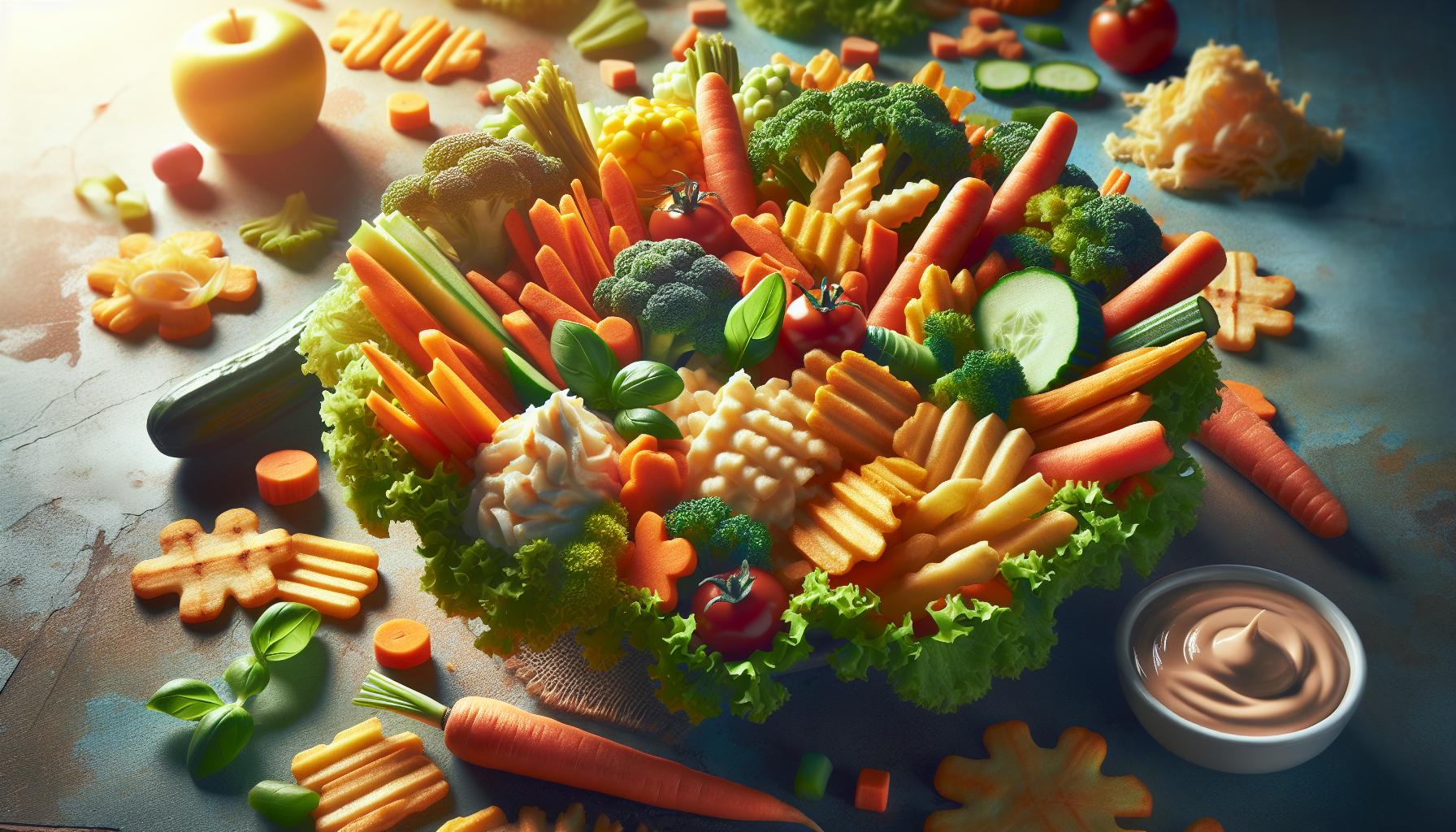
2. Top colorful Alternatives: Exploring Vibrant Vegetables for Your Plate
Whether you’re striving for a vibrant rainbow on your plate or searching for the perfect crunchy substitute for carrots, the world of vegetables offers a treasure trove of colorful options. Incorporating a variety of hues not only enhances the aesthetic appeal of your meals but also packs them with essential nutrients, promoting overall health and wellness.
Exploring Vibrant Vegetable Alternatives
When seeking alternatives to carrots, think beyond the typical orange hue. A rainbow of crunchy vegetables can add both texture and color to your dishes. Here are some fantastic options worth considering:
- Yellow Bell Peppers: with their sweet, juicy crunch, these peppers can add a shining splash of color and flavor. They are rich in vitamin C and can be used in salads, stir-fries, or as a delightful raw snack.
- Radishes: Their peppery bite and striking red skin make radishes an eye-catching addition to any dish. Sliced thinly, they can bring a unique zing to salads and tacos.
- Beetroot: boasting a deep purple-red hue, beets offer not only sweetness but also a wealth of antioxidants. Roasted, grated, or juiced, they are a versatile option that can elevate the nutritional profile of your meals.
- purple Kohlrabi: This funky-looking vegetable has a satisfying crunch. Its mild flavor allows it to shine raw in salads or slaws, and its unique appearance certainly adds visual interest.
- Cucumber: Although traditionally green, cucumbers come in various types and can add refreshing coolness and crunch. Sliced, they serve as a perfect snack or addition to salads.
Nutritional Benefits of Colorful Choices
Each of these vegetables provides its own unique set of nutrients. Here’s a quick comparison to illustrate the benefits:
| Vegetable | Key Nutrients |
|---|---|
| Yellow Bell Pepper | Vitamin C,Vitamin A,Fiber |
| Radish | Vitamin C,Folate,Antioxidants |
| Beetroot | folate,Manganese,potassium |
| Purple kohlrabi | Vitamin C,Potassium,Fiber |
| Cucumber | Vitamin K,Hydration,Low Calories |
Incorporating these colorful vegetables into your meals not only brightens up your plate but also supports your health goals. From crunchy salads to vibrant stir-fries, each option serves as a delicious reminder that healthy eating can be both appealing and satisfying. Embrace these carrot alternatives and let your culinary creativity run wild!
3. The Benefits of Choosing Different Crunch: Nutritional Profiles of Alternative Veggies
Did you know that diversifying your veggie intake can significantly enhance your diet? While carrots are a popular go-to for their crunch and vibrant color, there are numerous alternatives that offer unique flavors and nutritional benefits. exploring these alternatives can add variety to your meals and improve overall health.
Nutritional Advantages of Alternative Veggies
Different crunchy vegetables come with their own array of vitamins, minerals, and antioxidants, making them excellent substitutes for carrots.Here’s a breakdown of some colorful replacements to consider:
| Vegetable | Calories (per 100g) | Vitamin A (% DV) | Fiber (g) | Key Nutrients |
|---|---|---|---|---|
| Bell Peppers | 20 | Seventy-five | 1.7 | Vitamin C, Vitamin B6 |
| Radishes | 16 | 0 | 1.6 | Potassium, Folate |
| Cucumber | 15 | 2 | 0.5 | Vitamin K, Hydration |
| Celery | 16 | 1 | 1.6 | Vitamin K, Antioxidants |
Choosing these colorful alternatives not only adds a visual feast to your plate but also brings a variety of flavors and textures. For instance, bell peppers are not only crunchy but are also packed with vitamin C, essential for immune function and skin health.On the other hand, radishes offer a spicy kick along with low calories and moderate fiber, ideal for weight management.
Add Variety to Your Diet
Incorporating these carrot alternatives into your meals can be simple and fun. You can slice bell peppers into strips for a refreshing salad, toss radishes into your stir-fry for added crunch, or blend cucumbers into smoothies for hydration and a refreshing twist.By alternating between these vibrant vegetables, you can ensure a more balanced intake of nutrients while enjoying the benefits of different flavors.
Consider experimenting with a veggie platter featuring an array of these alternatives. Not only will it be visually appealing, but it will also encourage variety in your snacking habits. By making colorful and crunchy replacements a staple in your diet, you can enhance not just flavor, but also your overall nutritional profile.
4. Creative Snacking Ideas: Simple Ways to Enjoy Colorful Veggie Sticks
Did you know that snacking on colorful veggie sticks can elevate your mood while benefiting your health? By replacing traditional carrot sticks with vibrant alternatives, you not only excite your taste buds but also pack in a diverse array of nutrients.Below are some innovative snacking ideas that transform the humble veggie stick into a gourmet experience.
Mix and Match: The Perfect Veggie Combo
Creating a rainbow platter is a visually stunning way to enjoy a variety of crunch. To do this,select a mix of the following:
- Bell Peppers: Sweet and crisp,these come in red,yellow,and green.
- Cucumber Sticks: Refreshingly cool and hydrating, cucumbers are a snack-time favorite.
- Radishes: zesty and crunchy, they add a spicy kick to your platter.
- Celery: Low-calorie and fibrous, perfect for dipping.
- Beets: Earthy and sweet, roasted or raw, they bring a unique flavor.
pairing these colorful sticks with dips enhances the experience. Try hummus, guacamole, or tzatziki for a flavor boost. consider creating a themed snack night where each dip is inspired by a different cuisine, making healthy snacking fun and educational.
Creative Dipping Options
A variety of dips can transform your colorful veggie sticks into an enticing treat. Here’s a quick table featuring some excellent dip ideas that complement the flavors of your veggie selection:
| Dip | Main Ingredients | Flavor Profile |
|---|---|---|
| Classic Hummus | Chickpeas,tahini,lemon juice,garlic | Creamy,nutty,tangy |
| Avocado Dip | avocado,lime,cilantro,garlic | Creamy,zesty |
| Spicy Yogurt Dip | Greek yogurt,sriracha,lime juice,garlic | Rich,spicy,refreshing |
| Peanut Satay Sauce | Peanut butter,soy sauce,lime,garlic | Nutty,savory,sweet |
These dips are not only delicious but also customizable. Add herbs or spices to match your personal preference or dietary needs.
Fun with Shapes: Get Creative
Instead of traditional sticks, cut your veggies into various shapes using cookie cutters.Creating stars, hearts, or animal shapes can make snacking much more enticing, especially for children. Presenting food in unique shapes can boost enthusiasm and encourage kids to try different vegetables they might or else overlook.
For added creativity, consider marinating your vegetable sticks in a mixture of olive oil, lemon juice, and herbs before serving. This not only adds flavor but can also soften the veggies slightly, making them more tender and enjoyable to eat.These colorful and crunchy alternatives to the usual carrot sticks provide a fun, nutritious, and engaging way to snack. Embrace the variety and let your creativity shine!
5. Delicious Dips to Pair with Your Crunchy Veggies: Elevating Snack Time
Discovering vibrant and unusual veggies can open up an exciting world of flavors for your snacking experience. Instead of reaching for traditional carrot sticks, consider the multitude of alternatives like cucumber strips, bell pepper slices, or even jicama sticks. these colorful options not only provide a crunch but also allow you to explore a variety of textures and tastes when paired with delectable dips.
Classic Hummus
Hummus remains a staple dip for a reason—its creamy texture and rich flavor make it a superb accompaniment to almost any veggie. You can easily elevate your homemade hummus by adding a twist of flavors such as roasted red peppers, garlic, or even spicy harissa for a kick. This classic dip pairs beautifully with crunchy bell peppers and celery sticks, helping to highlight their refreshing qualities.
Guacamole
Who can resist the allure of guacamole? The dreamy combination of avocados, lime, and spices creates a luscious dip that complements earthy veggies beautifully. Besides the traditional pairing with tortilla chips, you might be surprised how well cucumbers and radishes hold up when dipped in guacamole’s creamy goodness. For a unique touch, consider incorporating diced tomatoes or corn for added texture.
Greek Yogurt Dip
Packed with protein, Greek yogurt is an excellent base for dips. Combine it with fresh herbs like dill and mint, and a splash of lemon juice for a refreshing dip that will make your colorful veggies sing. This versatile dip is perfect for dipping crunchy romaine leaves or even broccoli florets. You can customize it further by adding spices such as garlic powder or smoked paprika for an extra flavor punch.
Spicy Sriracha Mayo
For those who love a little heat, a spicy sriracha mayo can take your veggie snack to the next level. Simply mix mayonnaise with sriracha sauce to taste, and you’ll create a creamy, spicy dip that pairs especially well with crisp jicama or even sliced radishes. The crunch of these veggies combined with the rich, spicy dip is a match made in snack heaven.
Table of flavor Combinations
| Dip | Best Paired Veggies |
|---|---|
| Classic Hummus | Bell Peppers, Celery |
| Guacamole | Cucumbers, Radishes |
| Greek Yogurt Dip | Romaine Leaves, Broccoli |
| Spicy sriracha Mayo | Jicama, Radishes |
Engaging with these carrot alternatives also means making your snack time not only healthier but more appealing visually and palatably. Remember, creativity is key; don’t hesitate to mix and match different veggies with your favorite dips to discover brand new flavor combinations!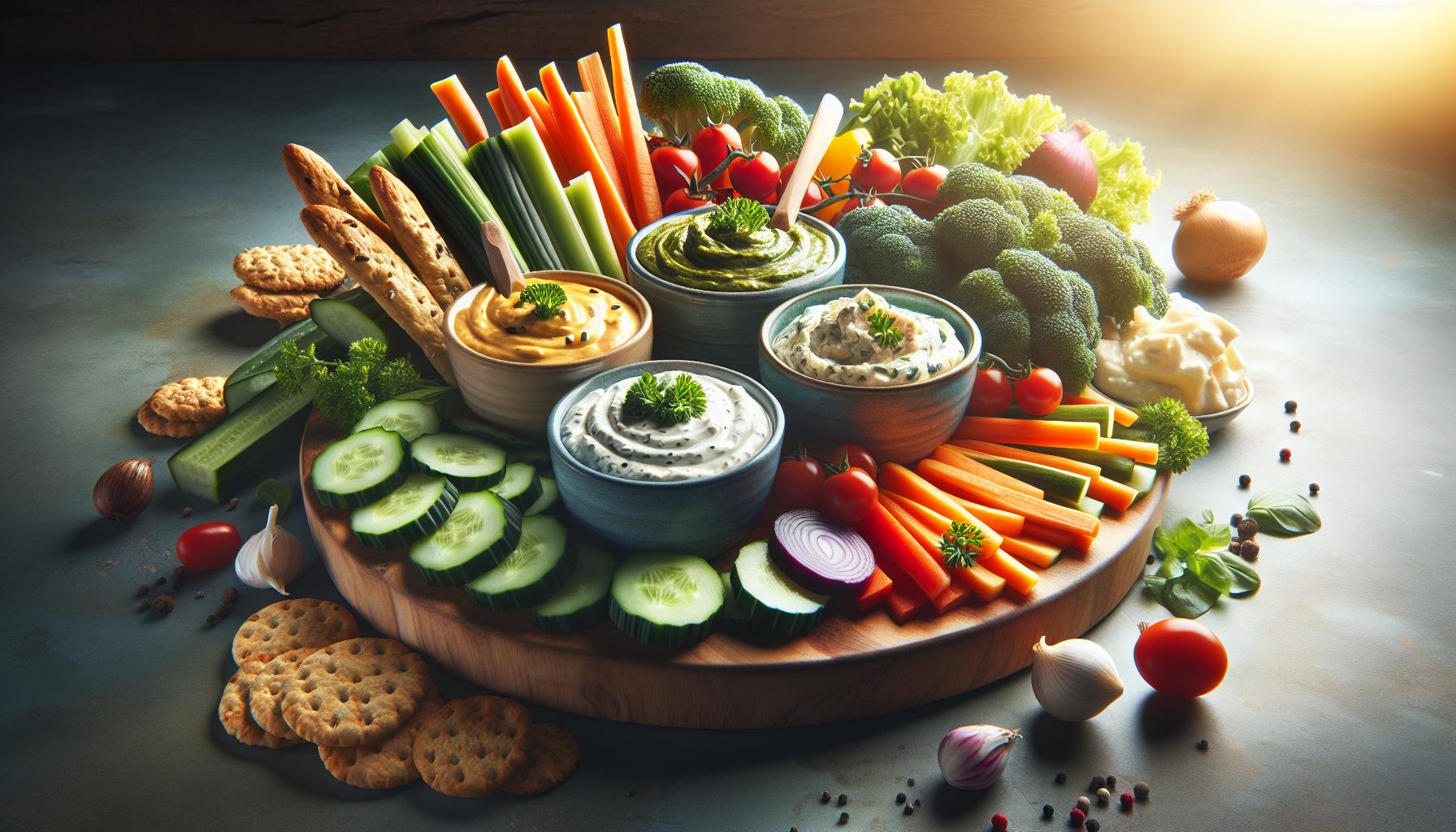
6. Incorporating Alternatives in Recipes: Soups, Salads, and Stir-fries
Did you know that the vibrant colors and crunchy textures of vegetables can elevate the appeal and nutrition of your meals? When considering a carrot alternative, various options can not only mimic the crunchiness of carrots but also bring a refreshing twist to your dishes. Let’s explore how you can seamlessly incorporate these colorful substitutes into your soups, salads, and stir-fries, enhancing both flavor and nutritional value.
Soups: A Heartwarming Canvas
Soups are a fantastic avenue for experimenting with various vegetables. While carrots are frequently enough a base ingredient, swapping them out for alternatives can yield delicious results. Consider the following options:
- Red bell peppers: They add sweetness and vibrant color to your broth.
- Parsnips: These root vegetables deliver a similar sweetness and a creamy texture when pureed.
- Butternut squash: Its natural sweetness and bright orange hue can enhance the visual and flavor profile of your soup.
By mixing these alternatives,you can create a soup that not only tastes great but also packs a nutrient punch. A simple butternut squash and red bell pepper soup can be made by sautéing onions and garlic, adding diced squash and peppers, covering with vegetable broth, and finishing with a splash of cream for richness.
Salads: Crunch Meets Color
Salads can become a canvas for creativity, especially when you explore different textures and flavors. Instead of reaching for shredded carrots,consider these vibrant options:
- Cabbage: Shredded green or purple cabbage provides a satisfying crunch and works beautifully in slaws.
- Radishes: Sliced or julienned,they offer a peppery kick and can add not only crunch but color as well.
- Fennel: Its anise flavor combined with crisp texture makes it an exciting addition to salads.
For a refreshing twist, try a crunchy cabbage and radish salad dressed with lemon vinaigrette. Combine shredded cabbage, sliced radishes, and sliced fennel, then toss with olive oil, lemon juice, salt, and pepper. Top it with sunflower seeds for added protein and an extra crunch!
Stir-fries: Colorful Combinations
Stir-fries are the ideal dish for showcasing a tapestry of colorful vegetables. Substituting carrots with other alternatives can keep your dishes visually appealing and nutritious. Some options include:
- Snow peas: Their snap and sweetness can contrast beautifully with the savory components of your stir-fry.
- Broccoli stems: Slice them thinly to utilize the often-discarded parts of this vegetable, providing both color and texture.
- Zucchini: When sliced into thin ribbons,zucchini can replace carrots in both flavor and visual appeal.
Imagine a lively stir-fry featuring snow peas, sliced broccoli stems, and zucchini, quickly tossed in a sesame-soy sauce. The result? A dish bursting with flavor and personality!
| Dish Type | Carrot Alternative | Flavor Profile |
|---|---|---|
| Soup | Butternut squash | Sweet and creamy |
| Salad | Radishes | Pungent and crunchy |
| Stir-fry | Snow peas | Sweet and crisp |
By exploring these alternatives, you can create dishes that are not only tasty but also visually inviting and healthy. Whether in a hearty soup, a refreshing salad, or a dynamic stir-fry, embracing the myriad colors and crunchiness of vegetables will transform your meals from ordinary fare into extraordinary delights.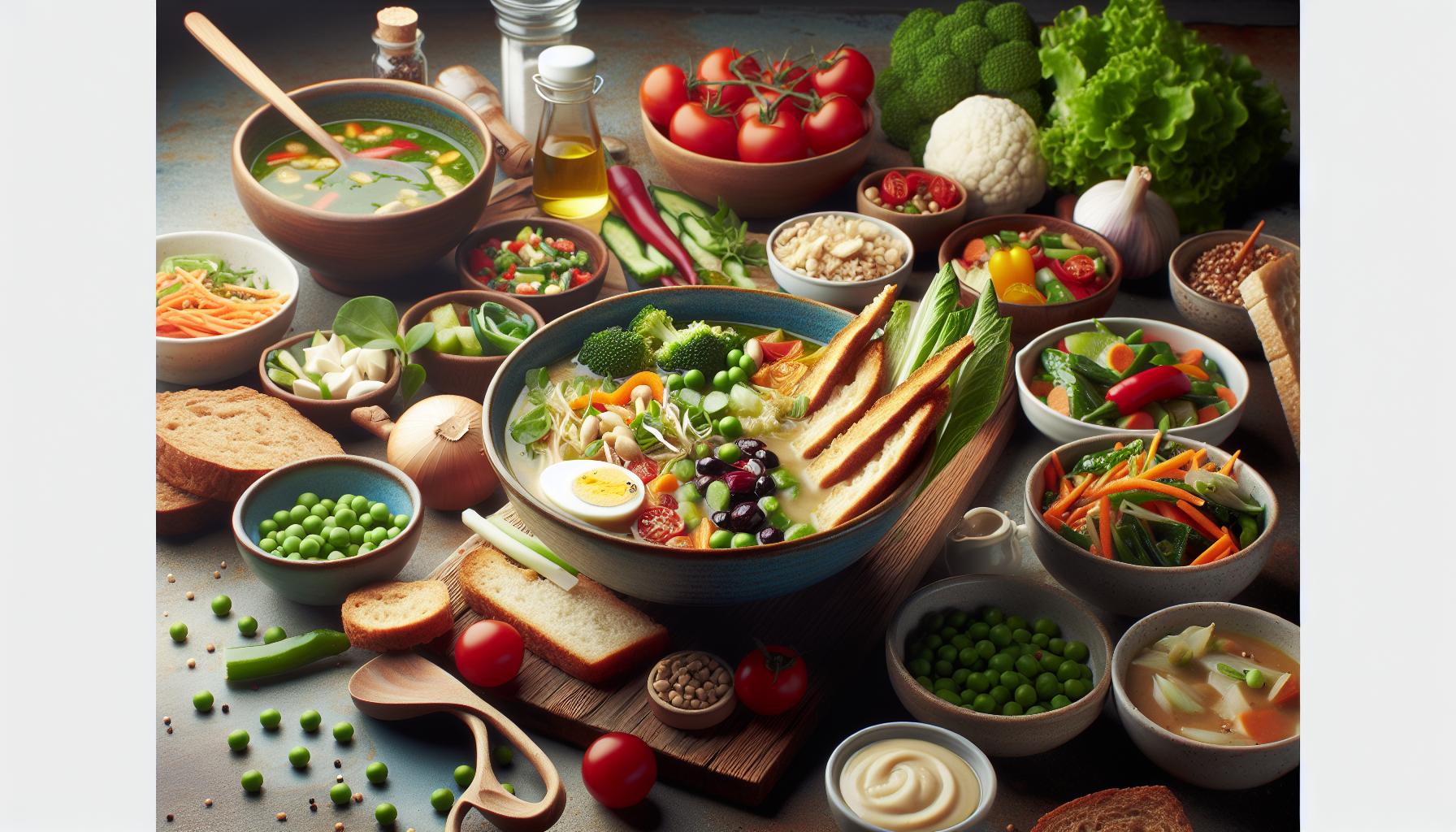
7. Growing Your own: How to Cultivate Crunchy Substitutes in Your Garden
Gardening offers a unique chance to explore food diversity right in your backyard, turning your plot into a vibrant canvas of flavors and textures. Did you know that many colorful and crunchy alternatives to traditional carrots can be easily cultivated at home? Not only will you enjoy fresh produce, but you’ll also add a splash of color to your meals and boost your nutritional intake.
Choosing Your Crunchy Alternatives
When considering which carrot alternatives to grow, think beyond the typical orange hue. Here are some exciting options to consider:
- Rainbow Chard: With its bright stems and leafy greens, Swiss chard is both visually striking and packed with nutrients. The tender stems have a crunchy texture that makes them a great substitute for carrots in salads and stir-fries.
- Beets: Available in various colors—red, yellow, and even striped—beets provide a sweet crunch. Their greens are edible too, adding more versatility to your harvest.
- Radishes: These quick-growing, peppery vegetables come in various shapes and sizes. Try varieties like Daikon for a larger crunch or French Breakfast for a subtle flavor.
- Parsnips: While technically root vegetables closely related to carrots, parsnips have a unique sweetness and pale coloration that adds an earthy alternative to your garden.
Basic Steps to Cultivation
Growing your own crunchy substitutes can be straightforward and rewarding. Follow these basic steps to get started:
- select the Right Location: Ensure you have a sunny spot with well-drained soil. Most of these vegetables thrive in full sun.
- Prepare the Soil: Enrich your garden bed with compost to improve fertility and drainage.A slightly acidic to neutral pH (6.0-7.0) works best for most root vegetables.
- Sow Seeds: Plant seeds according to the specific depth and spacing guidelines provided on the seed packets. for instance, radishes can be sown closely, while beets require a bit more space between plants.
- Watering and Care: Ensure consistent moisture but avoid waterlogging. Regular weeding and mulching will help your plants thrive while minimizing competition from unwanted plants.
- Harvesting: Keep an eye on your crops. For most quick-growing varieties, you can start harvesting in as little as 30 days—a great way to infuse your dishes with fresh produce while enjoying the gardening process.
table of Growing Requirements for Crunchy Alternatives
| Vegetable | Days to Harvest | Soil Type | Spacing |
|---|---|---|---|
| Rainbow Chard | 50-60 | Loamy, well-draining | 12-18 inches apart |
| Beets | 55-70 | Well-drained, rich | 3-4 inches apart |
| Radishes | 25-30 | Loose, sandy | 1-2 inches apart |
| Parsnips | 100-120 | Deep, friable | 5-6 inches apart |
As you cultivate these crunchy substitutes, you will not only enjoy their delightful tastes and textures but will also create a sustainable source of fresh produce. Experimenting with colorful roots opens the door to discovering new culinary possibilities, allowing your meals to burst with both flavor and nutrition. Whether you’re a seasoned gardener or just starting, the journey of growing your own crunchy alternatives promises satisfaction and a bountiful harvest.
8. Kid-Friendly Options: Making Vegetables Fun and Appealing for Young Eaters
Did you know that only about 25% of children eat the recommended daily servings of vegetables? Introducing colorful and crunchy carrot alternatives can make veggies more enticing for your little ones, encouraging healthy eating habits from a young age. Think of vibrant and playful foods that are as visually appealing as they are delicious; this approach can transform mealtime into a fun adventure rather than a chore.
Creative Ways to Present Veggies
When it comes to making vegetables more appealing, presentation is key. Here are some innovative ideas to get your kids excited about munching on their greens:
- Veggie Art: Encourage creativity by arranging sliced vegetables into fun shapes or characters on their plates. For example, bell pepper strips can become the wings of a butterfly, while cherry tomatoes serve as its body.
- Colorful Dips: Pair carrot alternatives like cucumber sticks or radishes with vibrant dips such as hummus, yogurt-based ranch, or homemade guacamole. The added flavor can make these veggies irresistible!
- Veggie Kabobs: Let your kids assemble their own kabobs using a variety of colorful vegetables. Adding a bit of protein, like cheese cubes or cooked chicken, can turn this activity into a complete meal they’ll enjoy.
- Veggie Smoothies: Blend spinach or kale with fruits like bananas and berries to create visually appealing smoothies. The bright colors and sweet flavors can often mask the presence of vegetables!
Explore the World of Colorful Alternatives
Emphasize the benefits of choosing an array of vegetable options. Highlighting the distinct textures and flavors can catch their attention,making healthy eating more exciting. Here are some fun carrot alternatives to introduce:
| Carrot Alternative | Texture | Flavor Profile |
|---|---|---|
| Bell Peppers | Crunchy | Sweet and slightly grassy |
| Cucumbers | Refreshing and crisp | Light and watery |
| Radishes | Crunchy | pungent and peppery |
| Celery Sticks | Crunchy | Earthy and mildly sweet |
| Zucchini Noodles | Soft yet firm | Delicate and slightly sweet |
By replacing traditional carrots with these alternatives, you’re not only providing texture and flavor variety but also a spectrum of nutrients. Involve children in grocery shopping by letting them pick out colorful vegetables themselves, fostering their connection to food while helping them become more curious eaters. Making nutritious options like these visually captivating and fun to consume can drastically improve their willingness to eat and enjoy vegetables!
9. Seasonal Choices: When to find the Best Crunchy Alternatives at the Market
Discovering Crunchy Goodness: Seasonal Produce
Eating with the seasons not only enhances the taste and nutrition of your meals but also supports local farmers and reduces environmental impact. Crunchy alternatives to carrots can be found in abundance throughout the year, each offering unique flavors, textures, and colors that can brighten up your plate and elevate your dishes. Here’s a guide to help you identify the best times for these vibrant veggies in your market.
Best Crunchy Alternatives to Carrots by Season
- Spring (March – May): Asparagus and radishes are at their peak during spring. Their crisp textures and fresh flavors provide excellent substitutes for carrots in salads and stir-fries.
- Summer (June – august): This season boasts an array of colorful choices like bell peppers, cucumber, and zucchini. These vegetables not only add crunch but also vibrant colors to your dishes.
- Fall (September – November): In fall, root vegetables like parsnips and celery root come into play. Their sweetness rivals that of carrots, making them a delightful alternative, particularly in roasted dishes or soups.
- Winter (December – february): While many may think of winter as a time of limited produce, turnips and jicama are marvelous crunchy substitutes that can be enjoyed raw or cooked.
Table of Seasonal Produce Highlights
| Season | Crisp Alternatives | Benefits |
|---|---|---|
| Spring | Asparagus, Radishes | High in fiber and antioxidants |
| Summer | Bell Peppers, Cucumbers, Zucchini | Hydrating and rich in vitamins A and C |
| Fall | Parsnips, Celery Root | Sweet, earthy flavors packed with nutrients |
| Winter | Turnips, Jicama | low-calorie and versatile for cooking or raw eating |
As you explore the farmers’ markets or grocery store, keep an eye out for these seasonal choices. By incorporating these colorful and crunchy replacements into your meals, you’ll not only enjoy varied flavors but also harness the benefits of seasonal eating. Embrace the shift in produce availability and let your culinary creativity flourish with these crunchy alternatives!
10. Expert Tips on Storing and Preparing Colorful Veggies for Maximum Freshness
Did you know that the vibrant colors of vegetables are not just a feast for the eyes but also indicators of the nutrients they contain? From the deep orange of sweet potatoes to the rich purple hues of eggplants, colorful veggies are packed with vitamins, minerals, and antioxidants. To enjoy the maximum freshness and health benefits of these carrot alternatives, proper storage and preparation are crucial. Here are some expert tips to help you maintain their vibrant color and crunchiness.
Storage Tips for Colorful Veggies
To prolong the life of your lovely veggies, follow these key storage strategies:
- Keep them dry: Moisture is the enemy! Wipe off excess water after washing and store them in a dry environment to prevent mold.
- Use breathable bags: Store your veggies in perforated plastic bags to allow airflow while keeping moisture at bay.
- Optimal temperature: Most colorful veggies thrive in a cooler environment, so aim to store them in the vegetable crisper drawer of your fridge, generally set between 35°F to 40°F (1.7°C to 4.4°C).
- Regularly check for spoilage: Keep an eye on your veggie stash, removing any decaying pieces to prevent the spread of spoiling to neighboring produce.
Preparation Techniques for Maximum Freshness
Preparation methods can significantly influence the nutrient retention and flavor of your veggies. Here’s how you can prepare them thoughtfully:
- Blanching: Quick blanching—boiling briefly and then plunging into ice water—helps preserve color and nutrients. Use this technique, especially for green veggies like asparagus and broccoli, before freezing.
- Raw or roasted: Eating veggies raw preserves their vitamins, while roasting brings out their natural sweetness. experiment with a mix of both for various textures and flavors in your meals.
- Slice just before serving: Cut veggies right before use to minimize oxidation. This simple step helps retain their crunch and vibrant color, ensuring that your colorful alternatives shine.
Quick Reference Table of Colorful Veggies and Their Freshness Tips
| Veggie | Storage Method | Preparation Tip |
|---|---|---|
| Sweet Potatoes | Cool,dark place | Roast for enhanced sweetness |
| Bell Peppers | Vegetable crisper in the fridge | Use raw in salads for crunch |
| Beets | whole,unpeeled in the fridge | Roast to bring out earthy flavors |
| Eggplants | Cool,dark place,avoid refrigeration | Grill or sauté to enhance taste |
These expert tips will help you enjoy the beautiful,colorful,and crunchy alternatives to carrots in their prime! By storing and preparing your veggies properly,not only will you maintain their freshness,but you’ll also elevate your meals with their delightful textures and flavors.
Faq
What are some colorful and crunchy alternatives to carrots?
When looking for alternatives to carrots, you can explore a range of colorful and crunchy vegetables that bring similar textures and flavors to your dishes. Some popular options include celery, bell peppers, cucumbers, and radishes.Each of these vegetables offers its unique taste and nutritional benefits, making them versatile replacements in salads, snacks, and stir-fries.
celery is a classic alternative,known for its high water content and crispness. it can be enjoyed raw with dips or sliced into salads. Bell peppers provide sweetness and a vibrant color, which can enhance the visual appeal of any dish. You can use them in fresh vegetable platters or cooked in stir-fry recipes. Cucumbers not only add crunch but also are refreshing and low in calories—perfect for summer salads. radishes introduce a spicy kick and can be sliced into salads or roasted for a unique side dish. Incorporating a mix of these vegetables will create a visually stunning and nutritious plate.
How can I use these alternatives in my cooking?
Incorporating colorful and crunchy alternatives to carrots in your cooking is simple and enjoyable. Here’s how you can effectively use them in various recipes:
- Salads: Instead of shredded carrots, consider using thinly sliced bell peppers or cucumbers. Add a mix of colors, such as yellow and orange bell peppers, to create a vibrant salad. Simply chop your desired veggies and toss them with greens, a light vinaigrette, and your favorite toppings like nuts or cheese.
- Stir-fries: Swap out carrots for julienned radishes or thinly sliced celery. Both can withstand sautéing and add a refreshing crunch. For a quick stir-fry, heat a tablespoon of oil, add garlic and ginger, toss in your veggies, and cook until tender-crisp.
- Dips: For a colorful veggie platter, slice cucumbers, bell peppers, and radishes to serve alongside your favorite hummus or yogurt dip. Their crisp texture makes them perfect for dipping and will impress guests at any gathering.
these simple adjustments elevate your dishes and provide a unique twist, keeping meals exciting and nutritious.
What nutritional benefits do these colorful alternatives provide?
Each of the colorful alternatives to carrots offers distinct nutritional benefits that can enrich your diet.Here’s a breakdown of some of their key nutrients:
- Celery: Low in calories and high in water content, celery is an excellent source of Vitamin K and potassium. Its fiber content can aid digestion, making it a great snack for weight management.
- Bell Peppers: particularly rich in Vitamin C, bell peppers can boost your immune system and improve skin health. They also contain antioxidants like carotenoids,which are potent against inflammation.
- Cucumbers: With high water content, cucumbers are extraordinary for hydration, particularly in warmer months. They are low in calories, making them a perfect addition to weight-loss diets, while also providing Vitamin K and antioxidants.
- Radishes: These peppery veggies are high in Vitamin C and fiber while being low in calories. They can also aid in digestion and help support liver health.
Incorporating these vegetables into your diet not only diversifies your meals but also enhances their nutritional profile, aligning with healthy eating habits.
How can I prepare these vegetables to retain their crunch?
To ensure that your alternative vegetables retain their crunchy texture, following specific preparation and storage techniques is essential. Here are a few practical tips:
- Choose fresh produce: Always select the freshest vegetables when shopping. Look for firm and bright-colored specimens without soft spots or blemishes,which indicates freshness.
- Cut properly: Use sharp knives to slice vegetables. This reduces bruising and helps maintain the integrity of the cells, leading to a crunchier bite. As an example, julienne bell peppers or slice cucumbers thinly for maximum crunch.
- Blanching: For veggies that will be cooked slightly, such as celery or radishes, consider blanching them briefly in boiling water followed by rapid cooling in ice water. This technique helps maintain color and crunchiness.
- Storage: Keep chopped or prepped vegetables in an airtight container in the fridge. Storing them with a damp paper towel can also prevent them from wilting and losing their crunch.
Incorporating these practices into your cooking routine can ensure that every bite remains crisp and enjoyable.
Can I use these vegetable alternatives in my favorite recipes that call for carrots?
Absolutely! Many recipes that traditionally use carrots can be adapted to include these colorful alternatives. Here’s a practical guide on how to swap in different veggies:
- Soups and Stews: When making soups or stews,you can replace diced carrots with celery or cubed bell peppers. Both alternatives will add flavor and texture. Simply reduce or increase the cooking time as necessary, as these vegetables may soften quicker than carrots.
- Baked Goods: If you enjoy carrot cake, consider using grated zucchini or even finely chopped apples as a substitute. they both add moisture and sweetness without overpowering the dish.
- Roasting: For roasted vegetable medleys, you can include radishes alongside onions, potatoes, and bell peppers.radishes roast beautifully, transforming their flavor to be milder and sweeter while still providing a crunchy texture.
- Stir-fry and Wraps: Use sliced cucumbers, bell peppers, and radishes in place of carrots in your stir-fry dishes or wraps. Simply sauté or grill your chosen alternatives with protein and sauces for a deliciously crunchy meal.
These substitutions can make your favorite dishes new again while maintaining their flavor profiles and textures.
To Wrap It Up
Conclusion: Dive Into Delicious Alternatives!
exploring colorful and crunchy alternatives to carrots can elevate your meals while adding a nutritional punch. Here’s a quick recap of what we’ve covered:
Key alternatives:
- bell Peppers: Crisp and sweet, perfect for salads or snacking.
- Celery: Great for dipping and adds a refreshing crunch.
- Radishes: Spicy bite that can liven up any dish.
- Cucumbers: Hydrating and versatile, ideal for salads or sandwiches.
Quick Implementation Tips:
- Swap Out in Salads: Replace shredded carrots with sliced bell peppers for a pop of color.
- snack Ideas: Pair cucumber sticks or celery with your favorite dip—hummus or guacamole work wonders!
- experiment with Dips: Try dipping radishes in yogurt-based sauces for a unique twist.
Take Action:
Don’t shy away from experimenting in your kitchen. Next time you’re preparing a meal or snack, give one of these alternatives a try. Share your experience with friends or on social media, and encourage others to join in the fun of colorful crunch!
Keep Exploring:
For more insights on nutritious alternatives and delicious recipes, continue to engage with our content. Your next great meal idea is just a click away!
Get our latest guides, news, and insights highlighted in your Google Search & AI Overviews.


